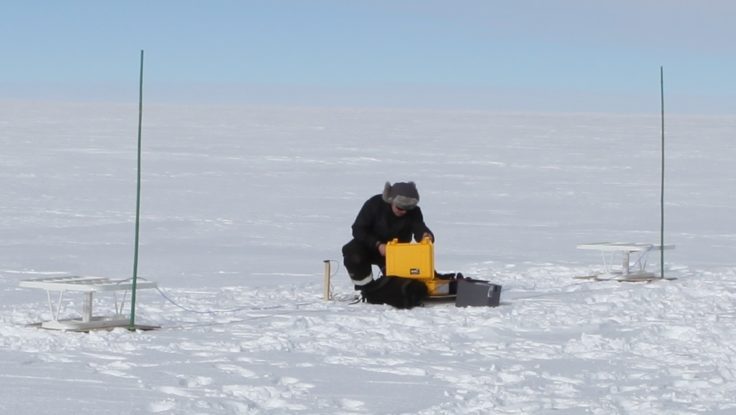
Understanding Greenland’s changing ice
GIANT is a pioneering science project that will test the potential for early warning of a critical climate tipping point.

1 to 12 of 35 results
GIANT is a pioneering science project that will test the potential for early warning of a critical climate tipping point.
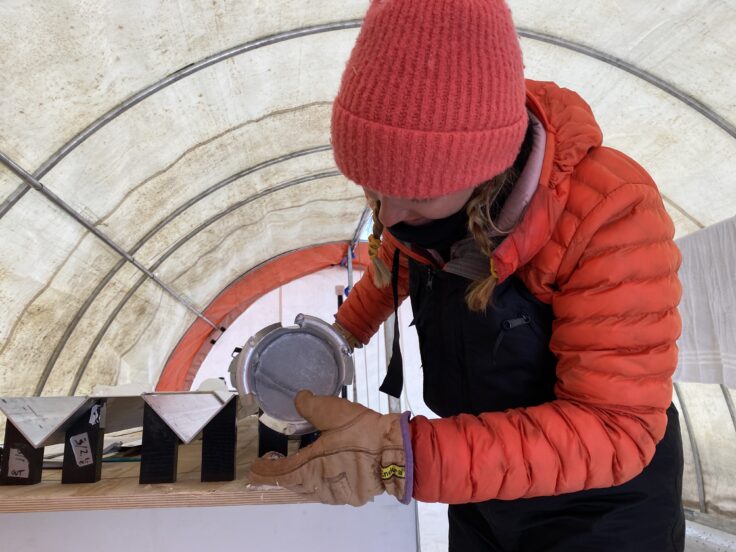
Over 30 researchers from international institutes are working on ice core drilling campaigns in Antarctica to probe the ice sheet’s behaviour, carbon cycling in the Southern Ocean, and the Earth’s climate history.
New science briefing summarises results of the ambitious international collaboration to study Antarctica’s most worrying glacier
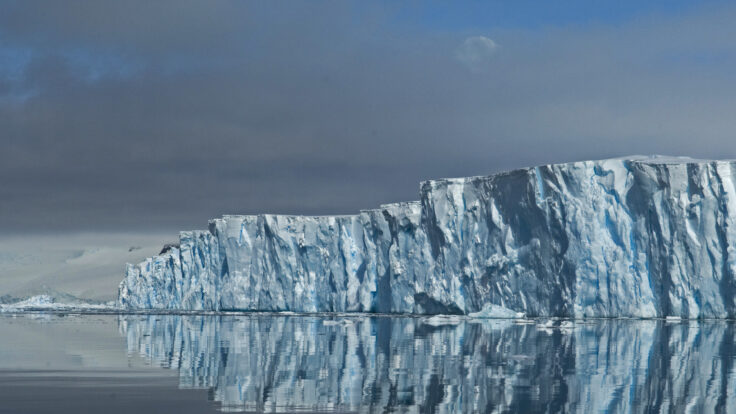
New measurements of how the boundary between onshore glacier and floating ice shelf glides back-and- forth could help predict melting
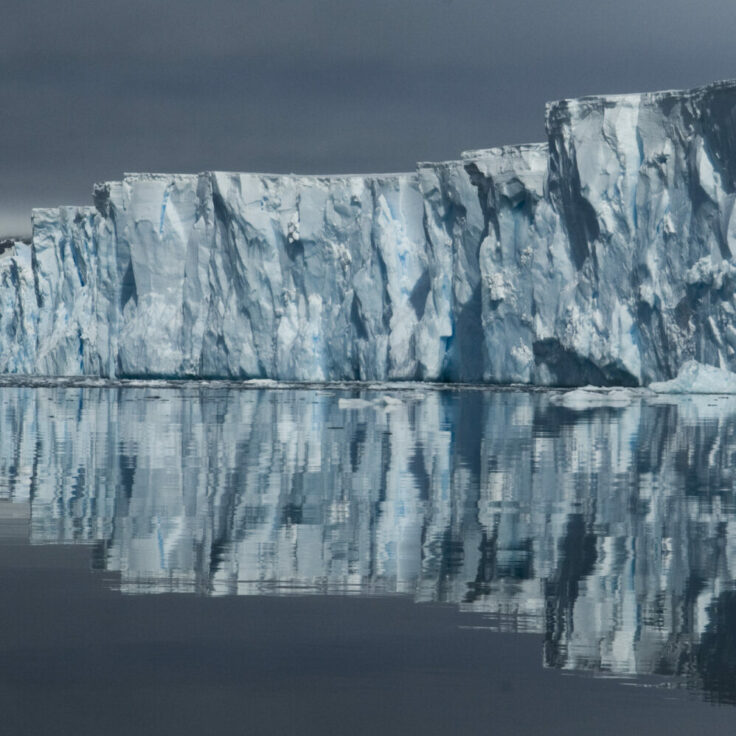
In a significant milestone for Antarctic research, detailed and extensive information on ice thickness and bed topography is now available for the first time in a centralised and standardised format. […]
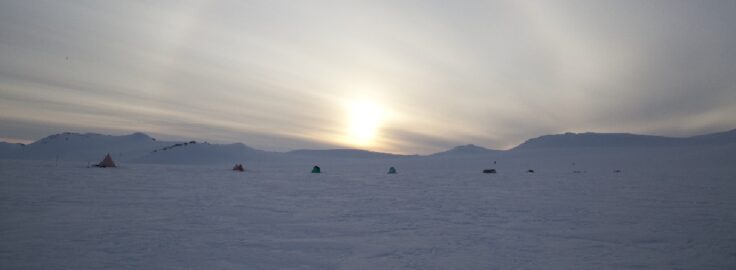
Scientists Dr Peter Davis (British Antarctic Survey) and Dr Britney Schmidt (Cornell University) have been named in the 2023 TIME100 annual list of the 100 most influential people in the […]
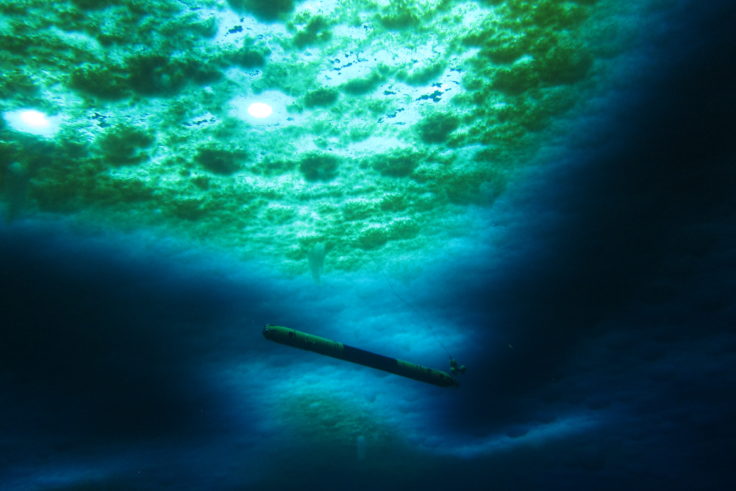
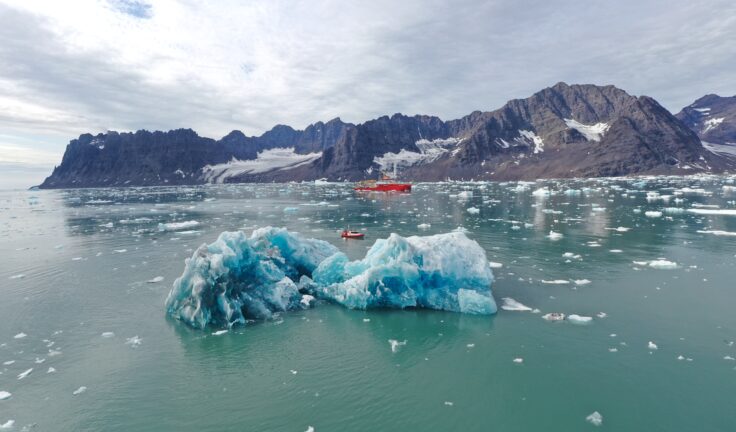
KANG-GLAC studies past and present glacier-ocean changes in southeast Greenland to predict how ice loss will affect ocean circulation, ecosystems and climate.
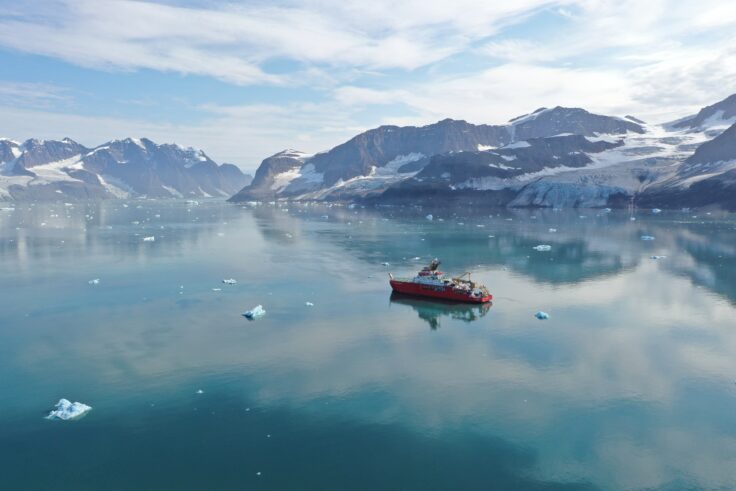
A new study highlights how extreme snowfall events significantly alter the amount of ice lost by the West Antarctic Ice Sheet. A team of scientists from British Antarctic Survey, along […]
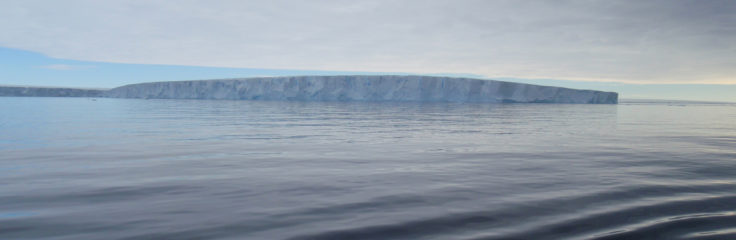
Deep valleys buried under the seafloor of the North Sea record how the ancient ice sheets that used to cover the UK and Europe expelled water to stop themselves from […]
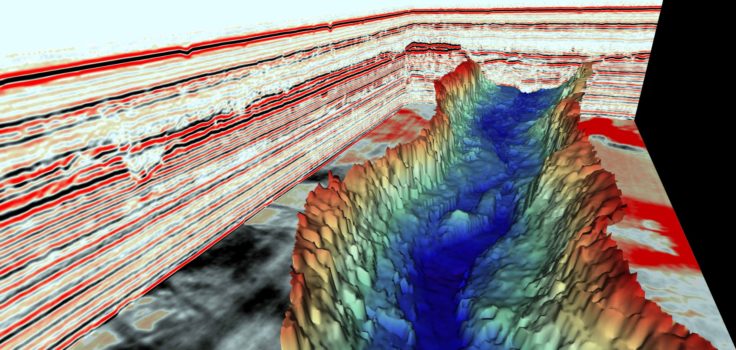
This project is developing digital twins of Antarctic and Arctic environments and resources. A digital twin makes it possible to test “what if” questions far more quickly than traditional computer models.
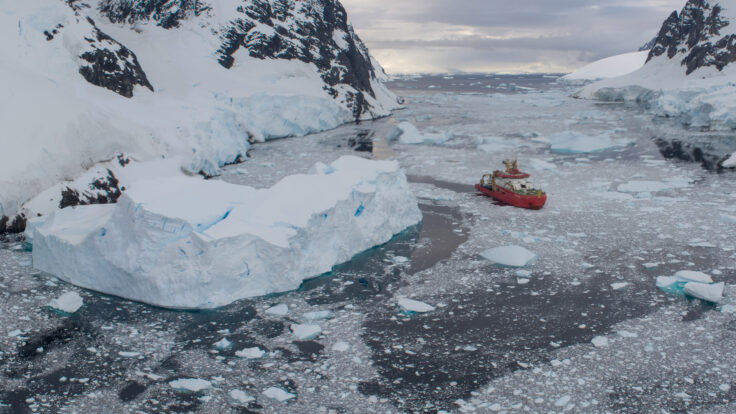
SIWHA investigates how westerly winds and sea ice have influenced CO2 uptake and release in the Southern Ocean.
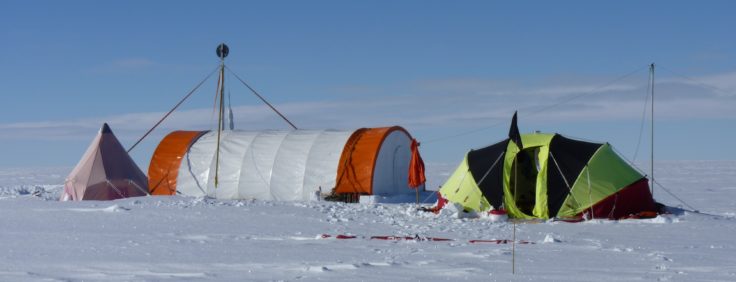
A study of two alternative methods for reconstructing ancient temperatures has given climate researchers a better understanding of how cold it was in Antarctica during the last Ice Age, around […]