Ancient wind patterns reveal future climate risks
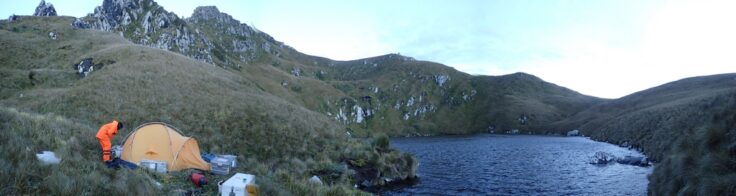
A new study has revealed significant changes in the strength and position of the Southern Hemisphere westerly winds over the past 11,000 years.

1 to 12 of 17 results
A new study has revealed significant changes in the strength and position of the Southern Hemisphere westerly winds over the past 11,000 years.
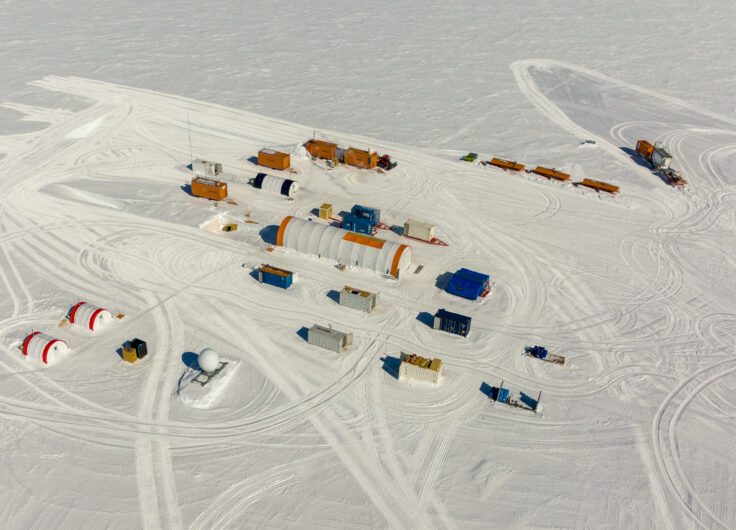
The Beyond EPICA-Oldest Ice project has successfully drilled a 2800-metre-long ice core consisting of ice which is over 1.2 million years old.
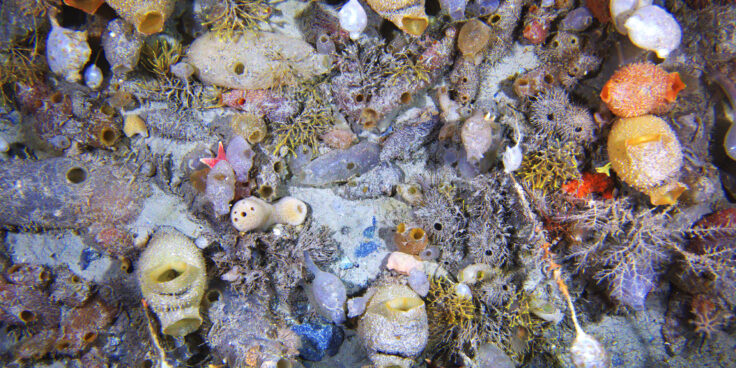
Antarctic seafloor ecosystems are both unique and fragile. Studying their past and present gives us valuable insights into how climate change may reshape them.
KANG-GLAC studies past and present glacier-ocean changes in southeast Greenland to predict how ice loss will affect ocean circulation, ecosystems and climate.
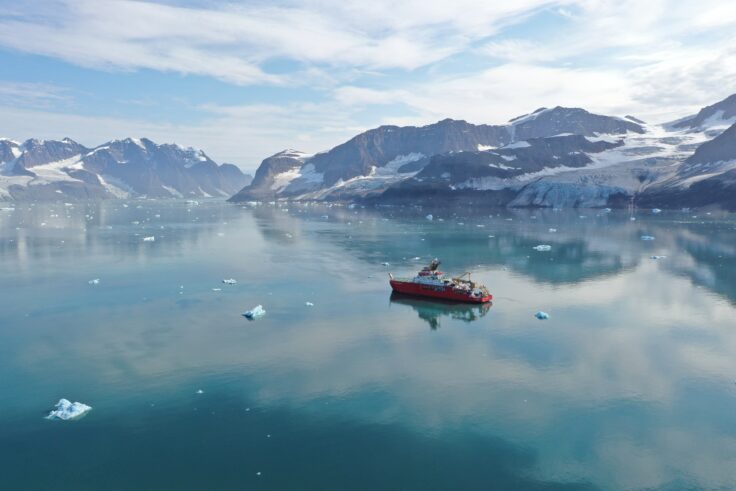
SIWHA investigates how westerly winds and sea ice have influenced CO2 uptake and release in the Southern Ocean.
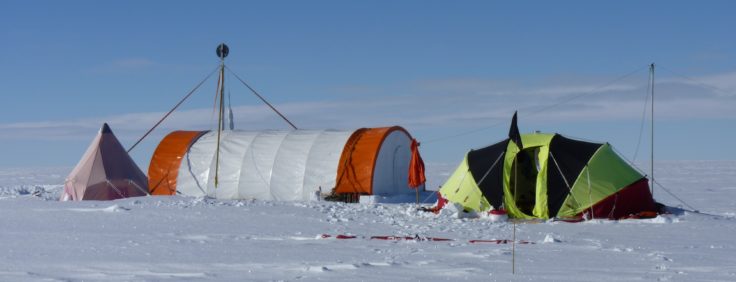
For the first time, geological records have been used to reconstruct the history of Larsen C Ice Shelf in Antarctica. The ice shelf is the largest remaining remnant of a […]
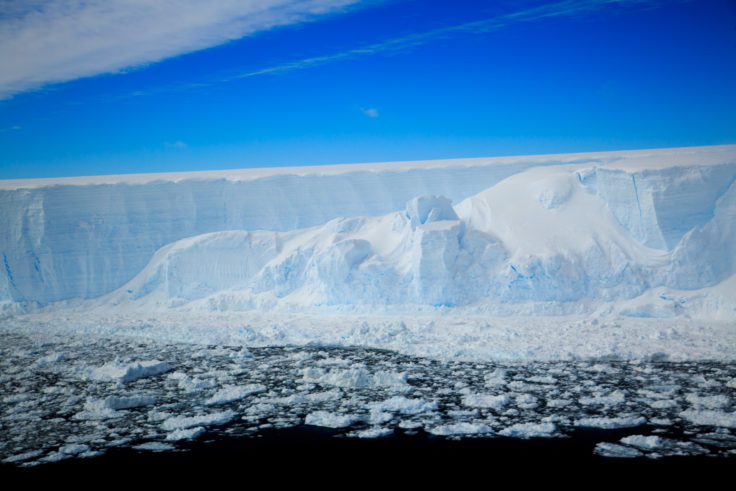
An international team of researchers has provided a new and unprecedented perspective on the climate history of Antarctica. From a sediment core collected from the seafloor in West Antarctica, they […]
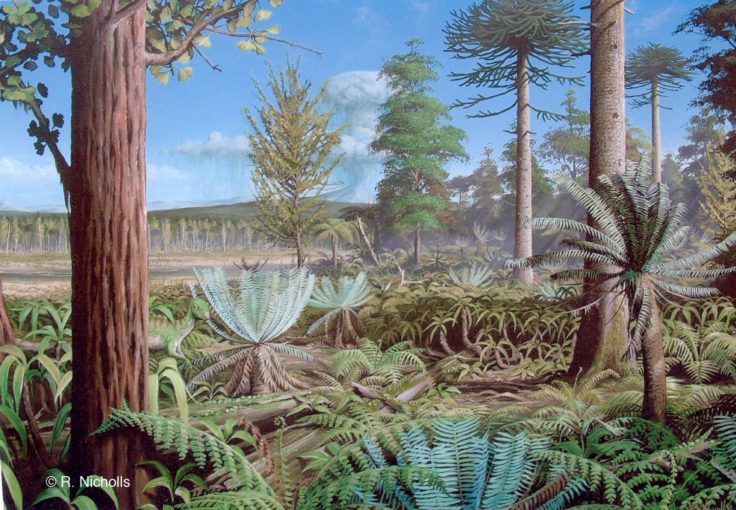
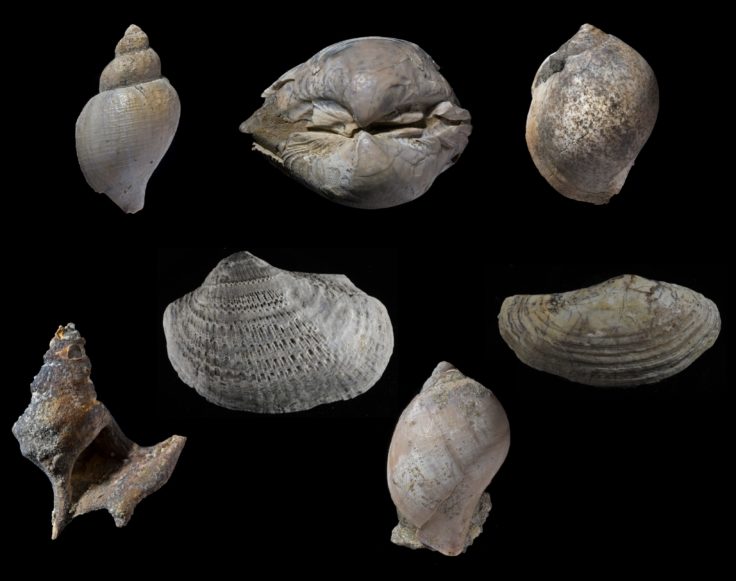
A new study shows how marine life around Antarctica returned after the extinction event that wiped out the dinosaurs. A team led by British Antarctic Survey studied just under 3000 […]
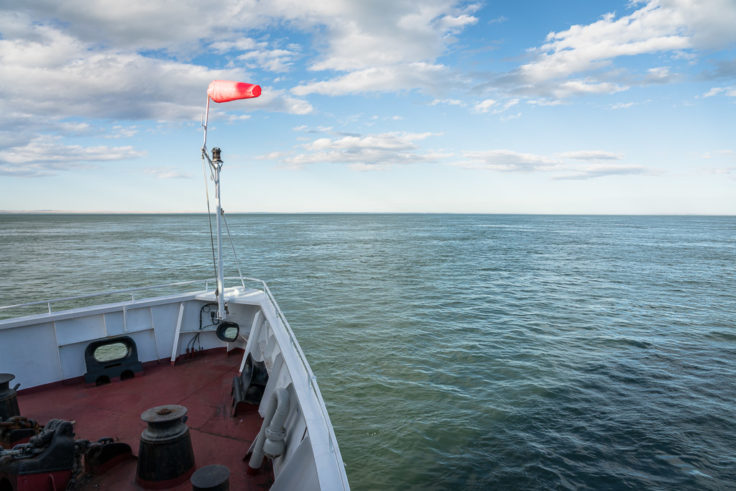
An international team of scientists is travelling to the Amundsen Sea – one of the most vulnerable sectors of the Antarctic Ice Sheet – to answer vital scientific questions about […]
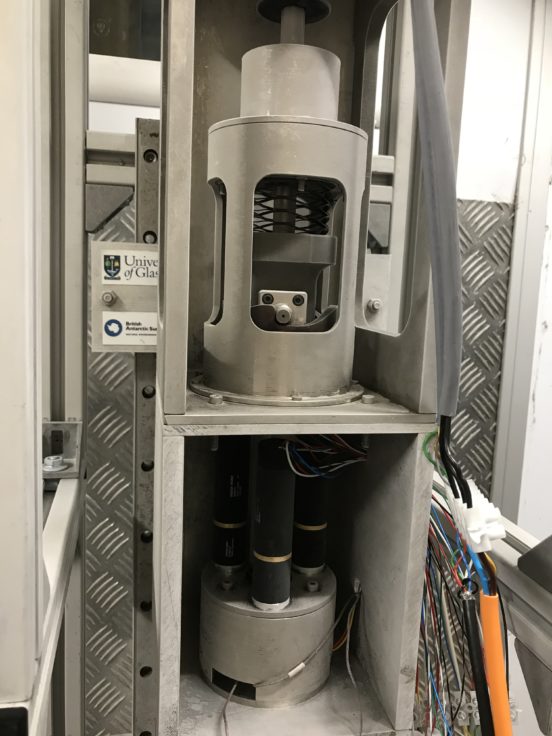
In this project samples of bedrock were analysed to determine how long they have been shielded from the sun, and that could tell us how long ago the ice sheet formed, even if the first ice has long gone.
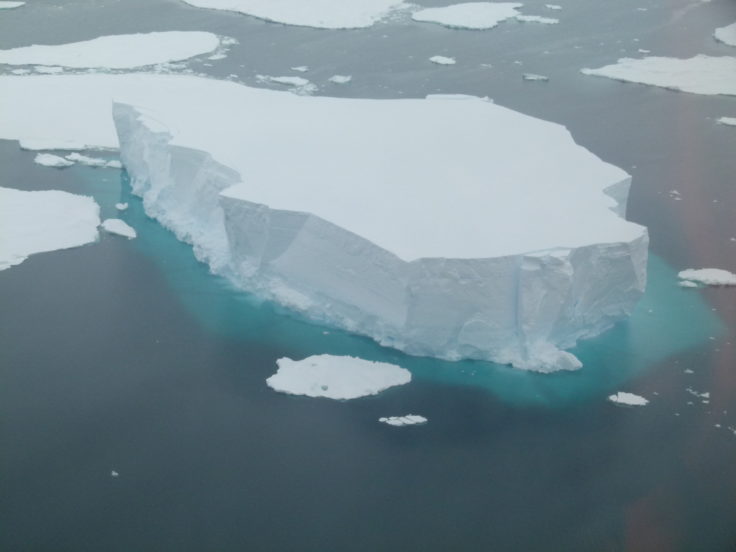
Pine Island Glacier in West Antarctica is one of the fastest-flowing glaciers in Antarctica. Over the last eleven years, four major icebergs have broken off from its floating ice shelf. […]
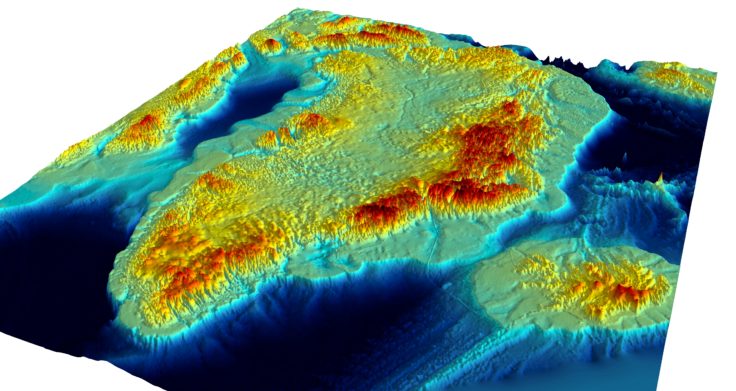
A new map of what lies beneath the Greenland Ice Sheet is published this week (Thursday 14 December 2017). By providing scientists with the most comprehensive, high resolution and accurate […]