Not all icebergs are equal – and that matters for the climate, new study finds
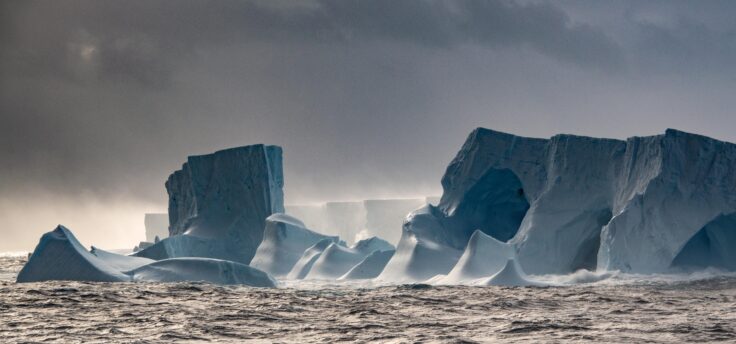
Scientists studying world’s largest and most famous icebergs find surprising differences in how they affect ocean life.

9 of 9 results
Scientists studying world’s largest and most famous icebergs find surprising differences in how they affect ocean life.
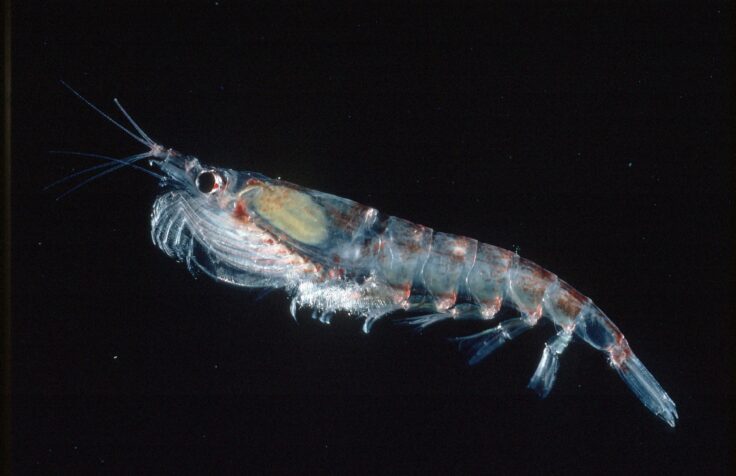
New research shows that increased levels of plastic pollution in the Southern Ocean could reduce the ability of Antarctic krill, a tiny shrimp-like crustacean, to help take CO2 from the atmosphere.
CONSEC explores how climate change and human activity are transforming the Southern Ocean, guiding global science and conservation.
SiCLING studies how silicon cycles in Arctic and Antarctic glacial environments and how these cycles affect marine ecosystems and carbon flow.
CUPIDO aims to address: what is the role of zooplankton in promoting the transport of plastic in the ocean? And how this plastic transport interferes with zooplankton’s ability to store carbon in the deep ocean?
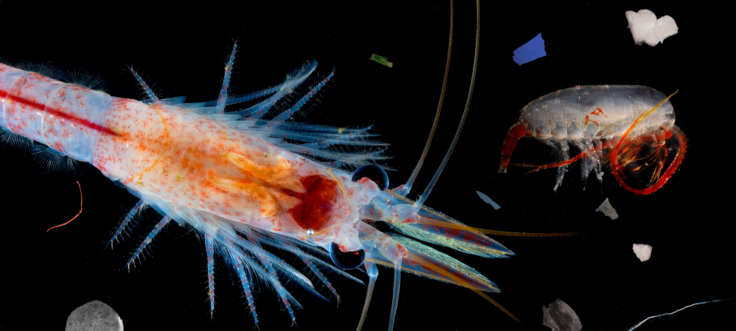
Large krill swarms in the Southern Ocean could help remove additional carbon from the atmosphere, in a way that is currently ‘hidden’ in global models. The new study is published […]
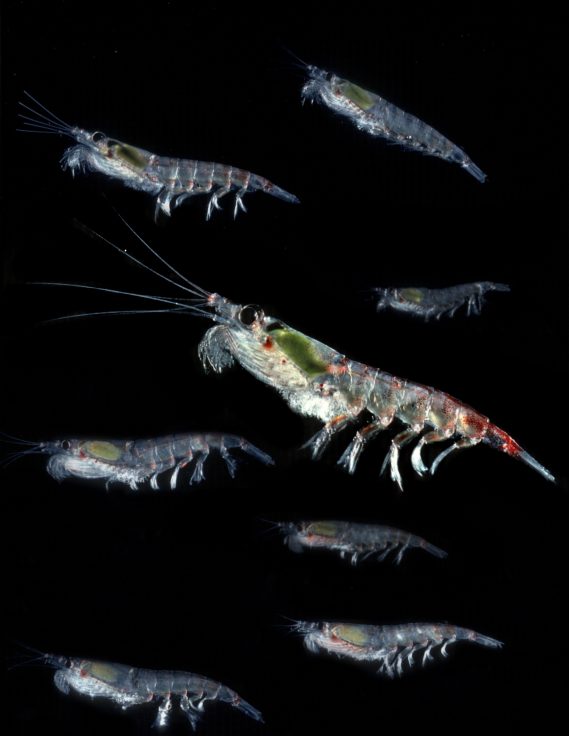
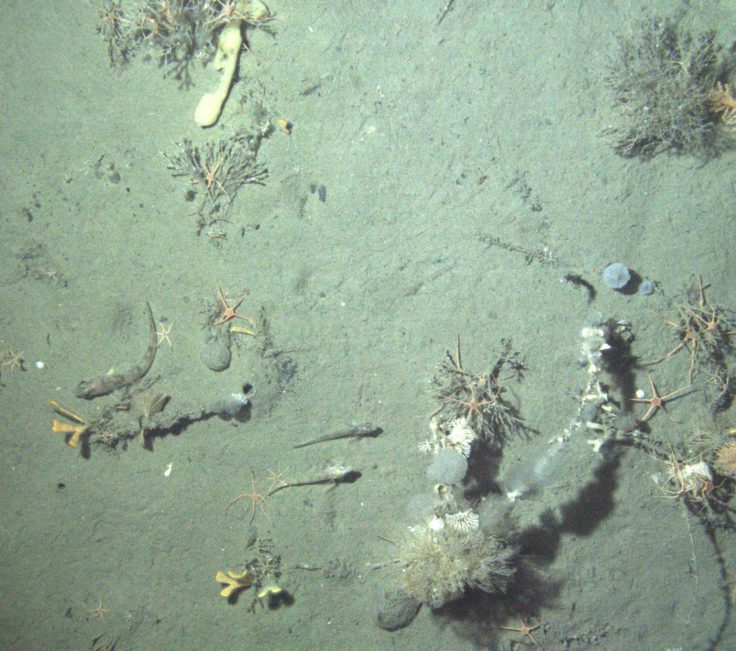
The Larsen-C Benthos project studied benthic biodiversity on the seabed exposed by the 2017 calving of the Larsen-C Ice Shelf.
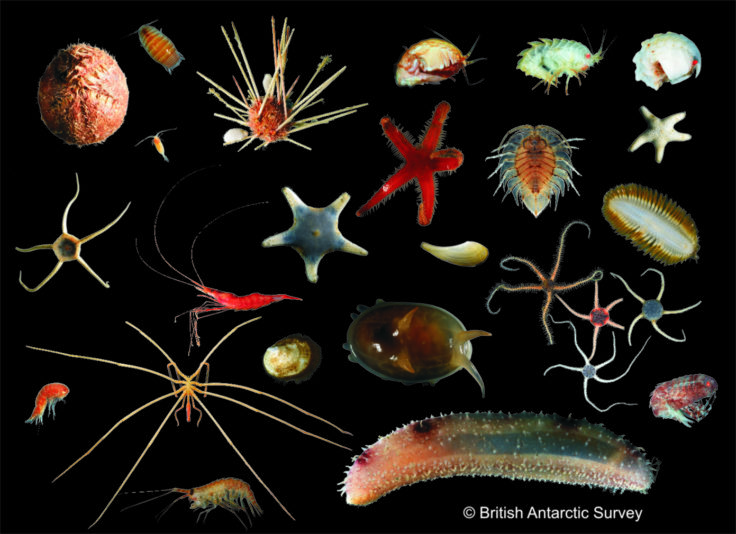
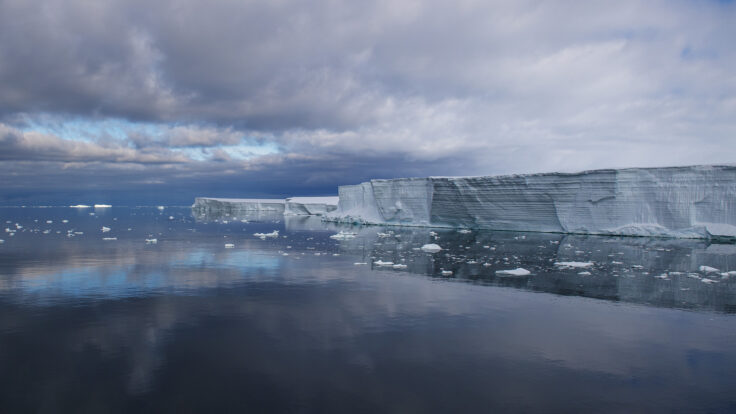
SCOOBIES makes long-term observations of key Earth system indicators in the Southern Ocean. These observations are vital for both UK and global science.
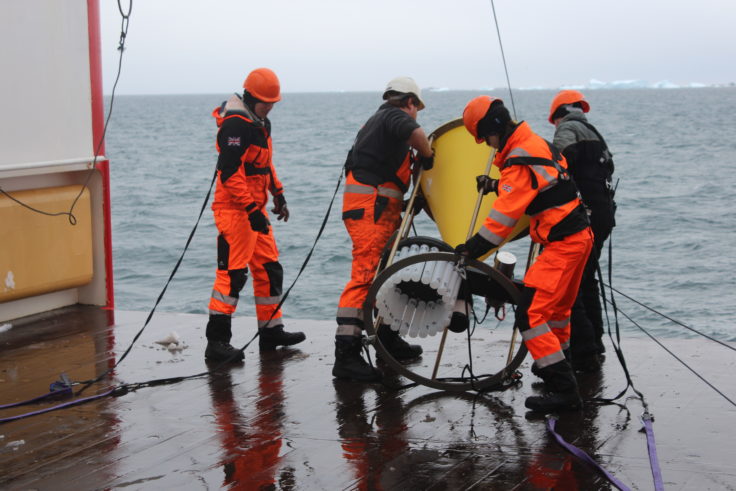
The ASCCC Project investigates, quantifies and understands the role of polar and subpolar seabeds in the carbon cycle, particularly in response to climate change.