Adding water tracers to the UK Earth System Model
The project adds water tracers, including stable isotopes, to the UK Earth system model (UKESM2). These tracers follow water through the model’s hydrological cycle.

13 to 24 of 37 results
The project adds water tracers, including stable isotopes, to the UK Earth system model (UKESM2). These tracers follow water through the model’s hydrological cycle.
Polar climate scientists have created the most high resolution past record of the Southern Hemisphere westerly winds. The results, published this week (9 December) in the journal Communications Earth and […]
A new study, published this week in the journal Nature Climate Change, supports predictions that the Arctic could be free of sea ice by 2035. High temperatures in the Arctic […]
An international team of researchers has provided a new and unprecedented perspective on the climate history of Antarctica. From a sediment core collected from the seafloor in West Antarctica, they […]
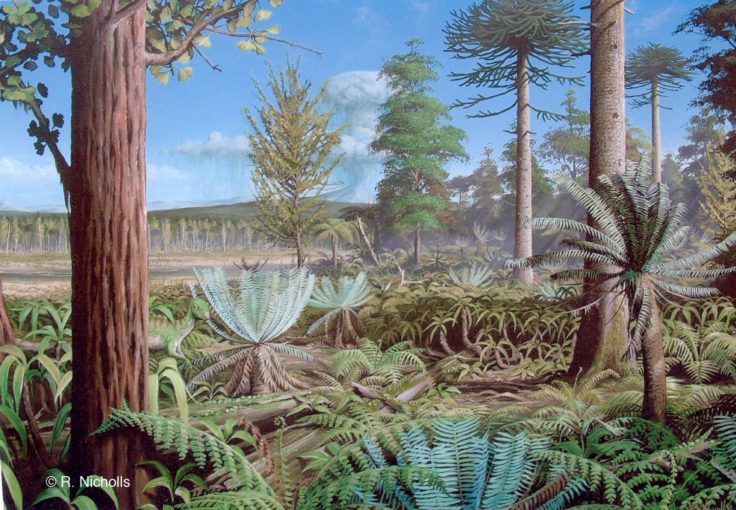
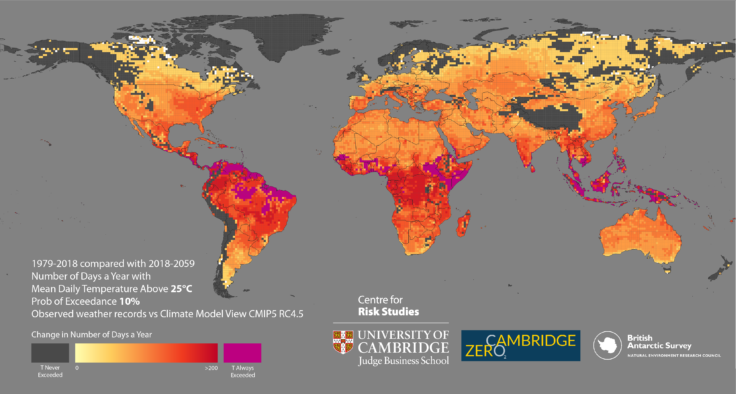
Climate change could add around 20% to the global cost of extreme weather events by 2040, according to early findings from Cambridge researchers. The findings come from the Cambridge Climate […]
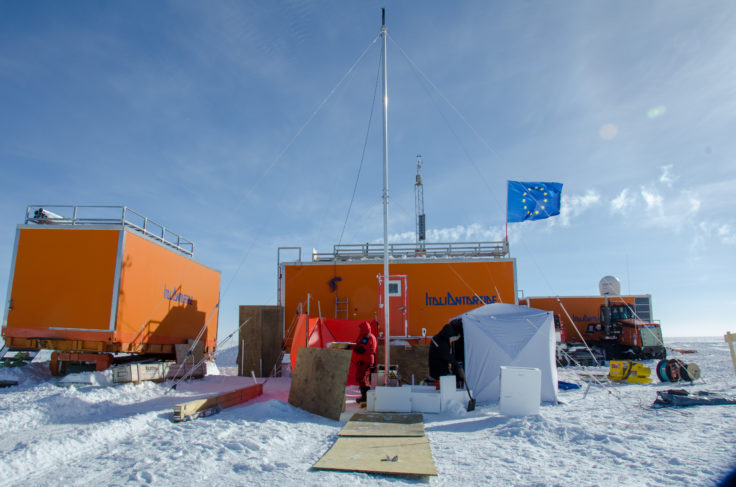
This week a team of European researchers announces its plans for an ambitious mission to find the oldest ice on Earth (9 April 2019). Antarctica’s ice has the potential to […]
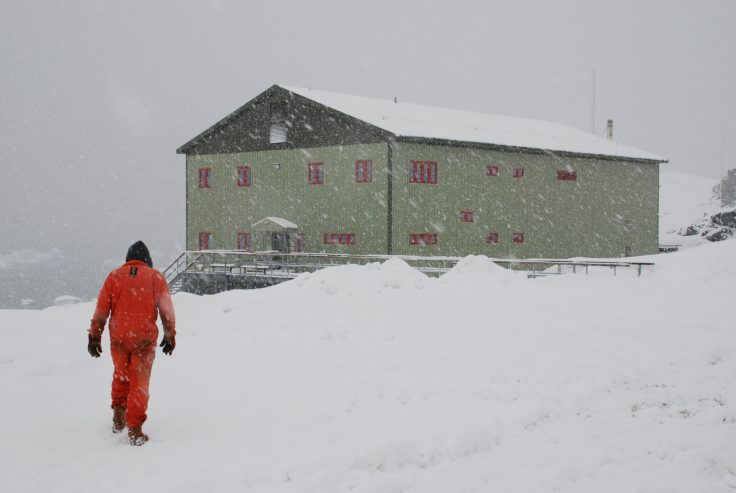
A new study reveals the importance of a small number of intense storms around Antarctica in controlling the amount of snow falling across the continent.
A new study on ice cores shows that reductions in sea ice in the Arctic in the period between 30-100,000 years ago led to major climate events. During this period, […]

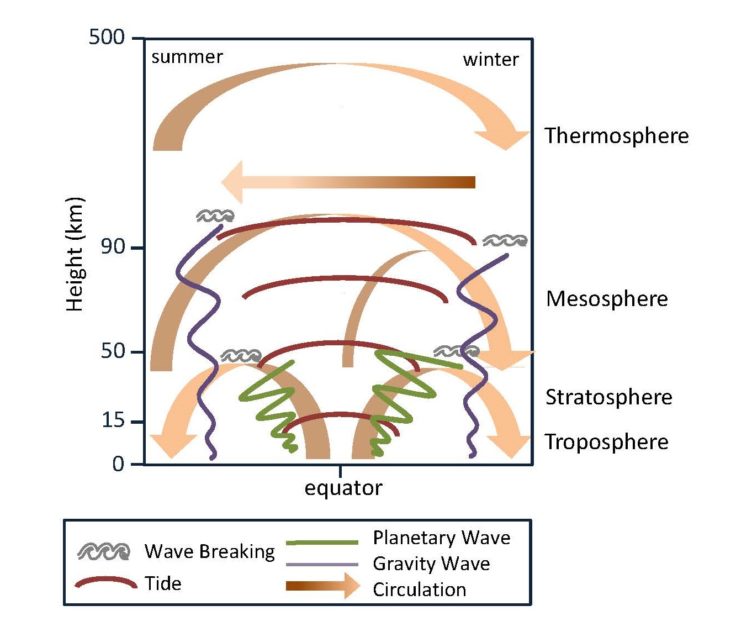
Whole Atmosphere Climate Change project investigated how human-driven climate change in the lower atmosphere affects upper atmosphere conditions up to 500 km altitude.
This study, led by scientists from the British Antarctic Survey, suggests that sea-ice loss in different regions of the Arctic, and of different amounts, leads to different effects on surface […]
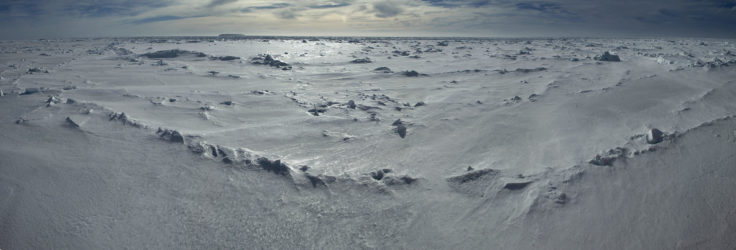
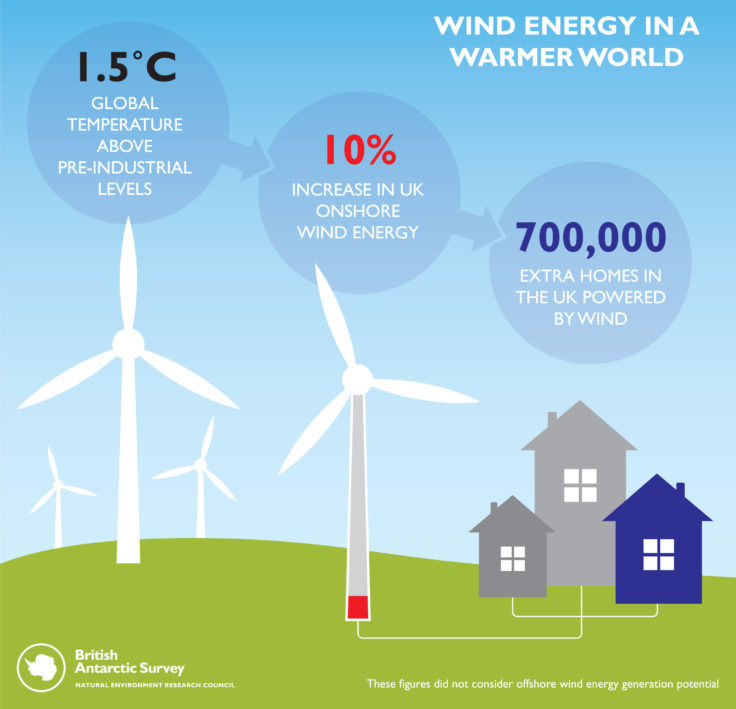
The UK and large parts of northern Europe could become windier if global temperatures reach 1.5˚C above pre-industrial levels, according to a new study. This has implications for wind energy […]
A thinning of small areas of floating ice at Antarctica’s coast can accelerate the movement of ice grounded on rocks hundreds of kilometres away, a new study involving scientists from […]