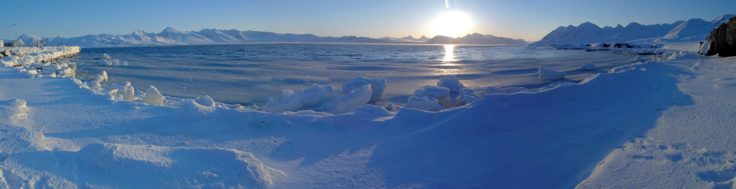
Not all icebergs are equal – and that matters for the climate, new study finds
Scientists studying world’s largest and most famous icebergs find surprising differences in how they affect ocean life.

1 to 12 of 38 results
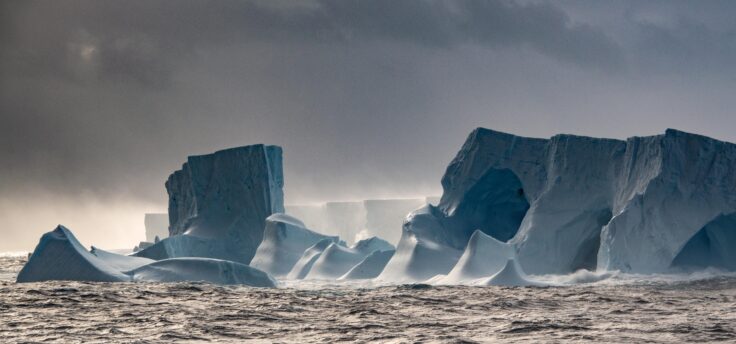
Scientists studying world’s largest and most famous icebergs find surprising differences in how they affect ocean life.
A team of international scientists, including from British Antarctic Survey (BAS), has modelled the best- and worst-case scenarios for the Antarctic Peninsula as the Earth’s climate warms.
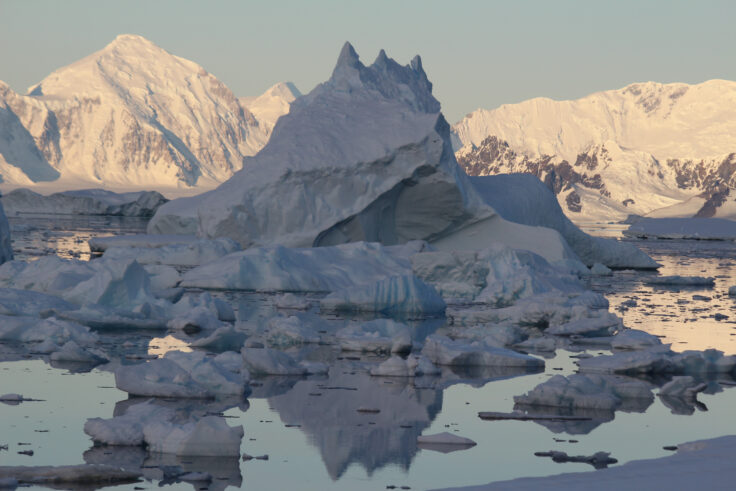
GIANT is a pioneering science project that will test the potential for early warning of a critical climate tipping point.
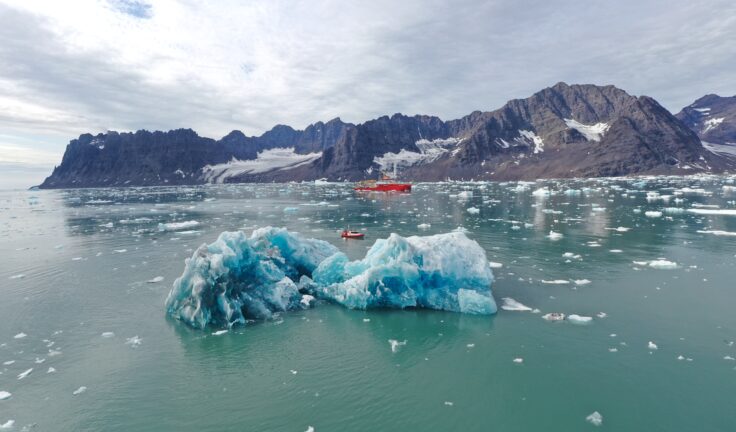
A project looking at how clouds affect climate change in Antarctica starts its second year of field research this month. The Southern Ocean Clouds (SOC) project, which is part of the CloudSense programme, will carry out research on the RRS Sir David Attenborough and at Rothera Research Station in Antarctica.
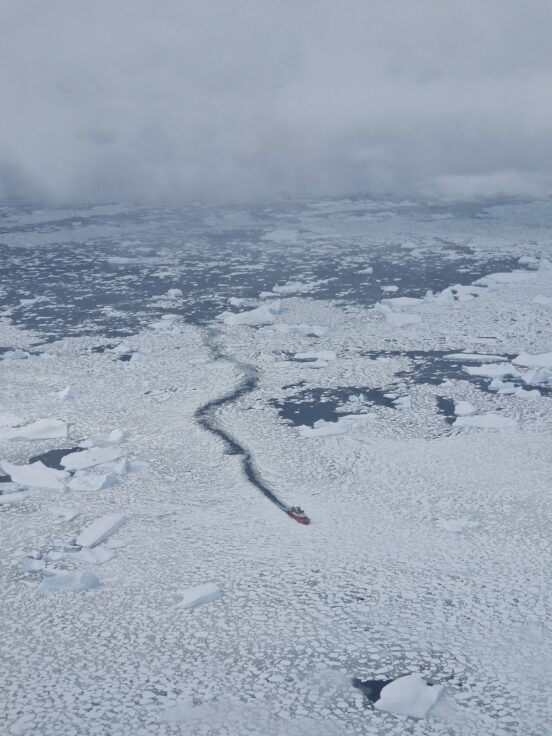
POLOMINTS investigates how glacier calving triggers internal tsunamis, reshaping polar ocean mixing and influencing climate, ecosystems, and carbon cycling.
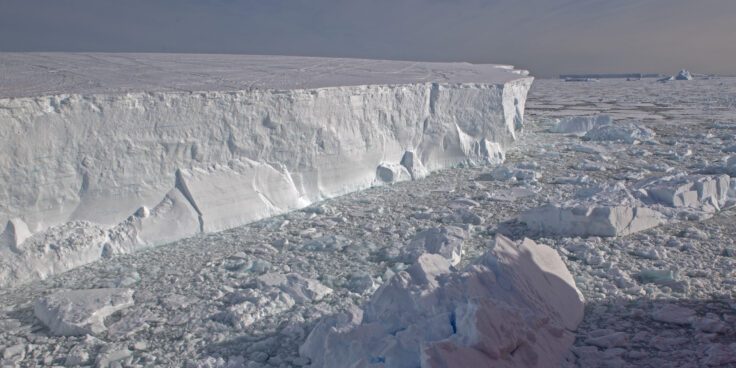
A greater understanding of how climate change impacts at a regional level is vital to developing effective climate policies that protect communities from escalating risks.

New science briefing summarises results of the ambitious international collaboration to study Antarctica’s most worrying glacier
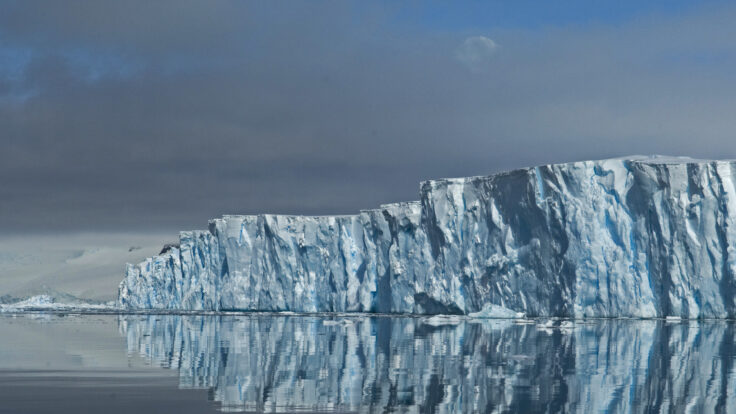
Warm water that seeps underneath can melt ice in way not yet included in models
A new and worrying way that large ice sheets can melt has been characterised by scientists for the first time. The research focuses on how relatively warm seawater can lap at the underside of ground-based ice, which can accelerate the movement of the ice into the ocean.
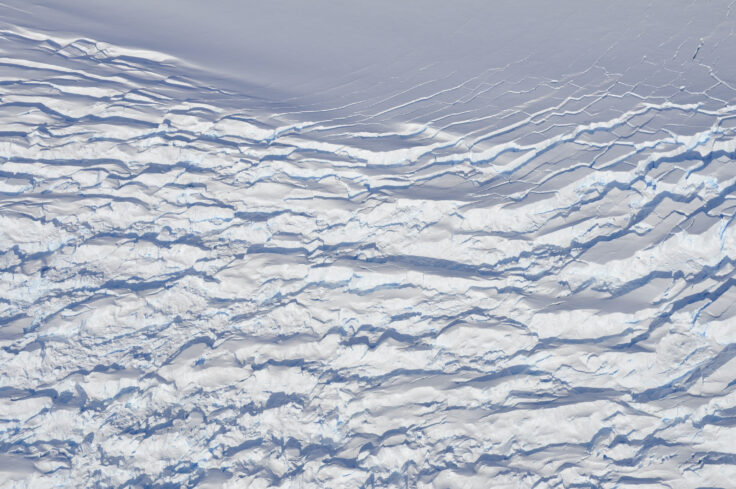
Scientists at the British Antarctic Survey (BAS) have found that the record-low levels of sea ice around Antarctica in 2023 were extremely unlikely to happen without the influence of climate change.
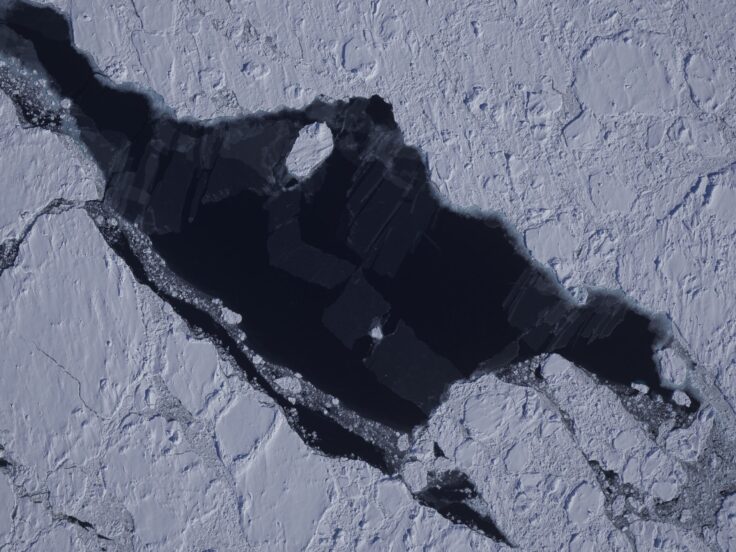
The West Antarctic Ice Sheet will continue to increase its rate of melting over the rest of the century, no matter how much we reduce fossil fuel use, according to British Antarctic Survey (BAS) research published this week in the journal Nature Climate Change.
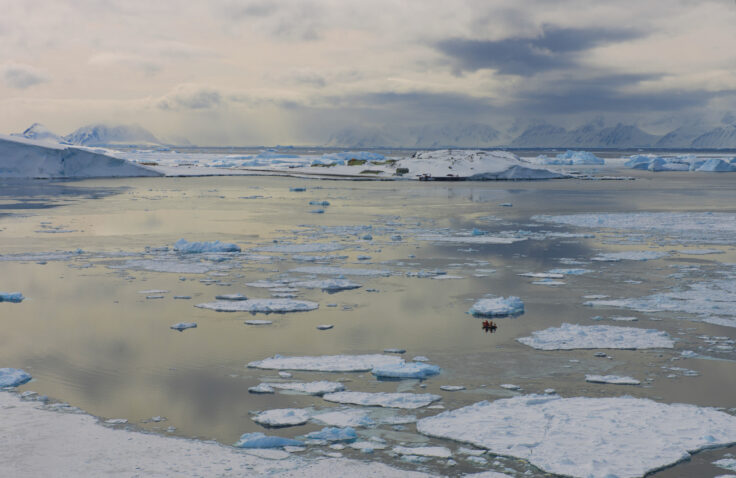
A dramatic art installation symbolising our warming climate will be launched at the Cambridge Cleantech annual conference on 20 October as the city’s innovators and scientists gather together to brainstorm […]

A new AI (artificial intelligence) tool is set to enable scientists to more accurately forecast Arctic sea ice conditions months into the future. The improved predictions could underpin new early-warning […]