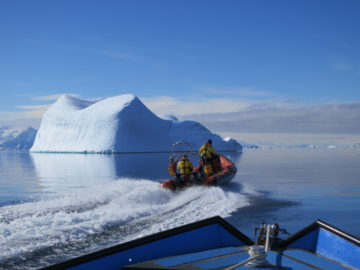
Marine Ecologist IMP 3

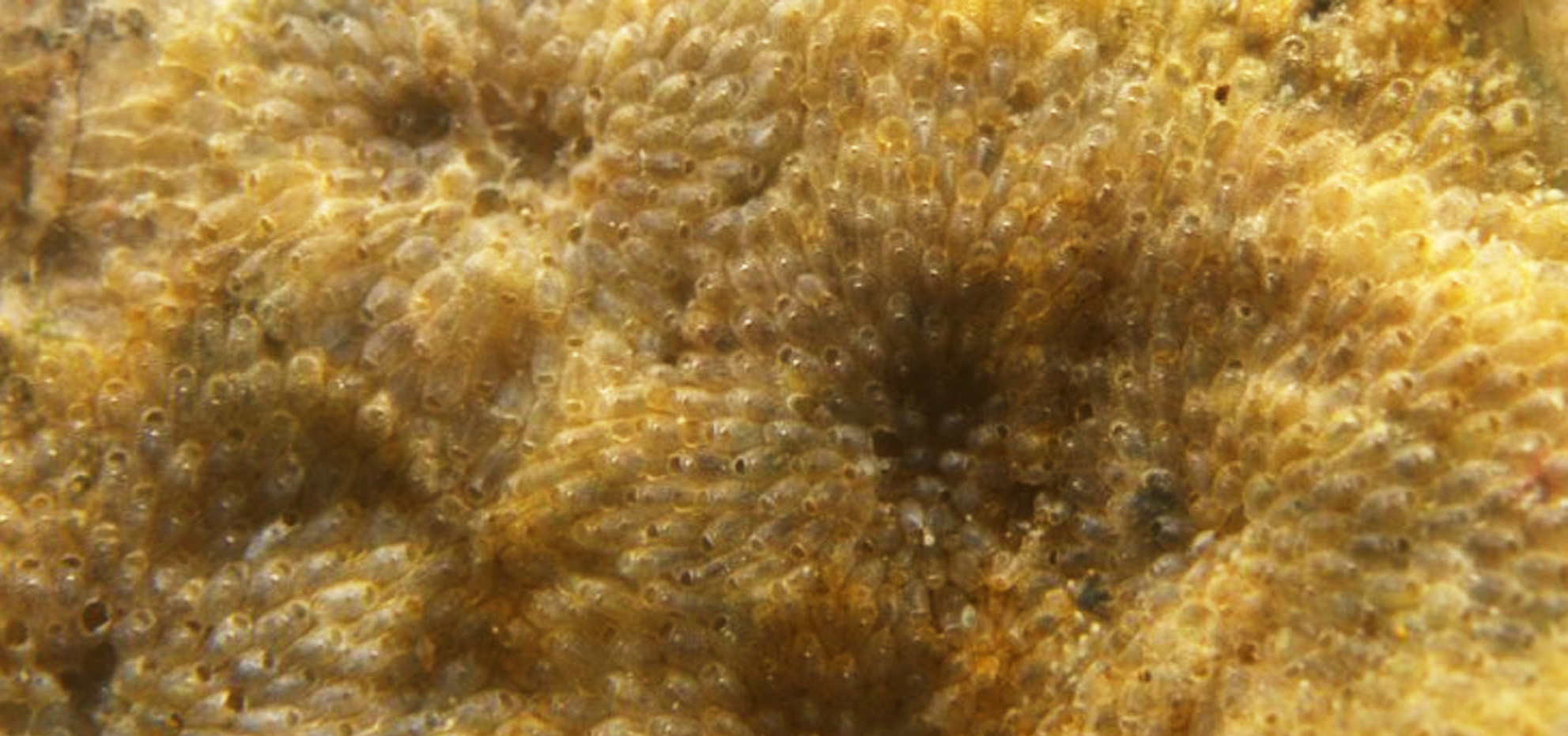
The heated panels project tested how marine life responds to warmer oceans. The focus was on the waters of the Antarctic Peninsula, one of the fastest-warming regions on Earth. This work was part of British Antarctic Survey’s Grand Challenge: Polar Change.
Scientists and the Antarctic Marine Engineering Team (AME) developed heated settlement panels. A small electric heater warmed the underside of each panel. This raised the water above by 1–2°C, simulating future ocean temperatures.
Small encrusting animals settled on the panels and stayed in place. Scientists monitored how fast they grew and how they competed for space under different temperatures.
These communities, also called biofouling, included bryozoans and calcareous tube-dwelling polychaetes. They are key colonisers in shallow marine environments and influence how ecosystems develop. They also have economic importance. In 2008, biofouling cost $15 billion for desalination plants and power stations, and $7 billion for shipping worldwide.
The project showed how biofouling communities might change as oceans warm. Early colonisers affect how other species grow, so these results helped predict wider ecosystem changes.
The Antarctic Peninsula is warming quickly. Understanding how these animals grew, survived, and competed under warmer conditions gave scientists valuable insights into future biodiversity.
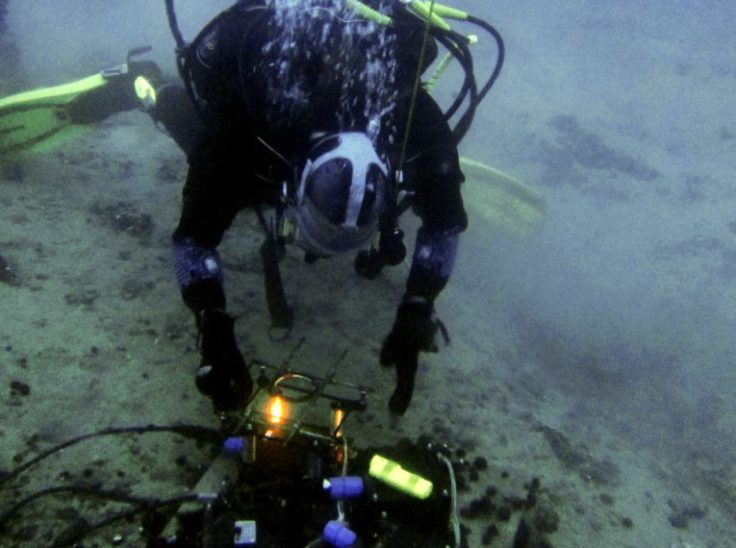
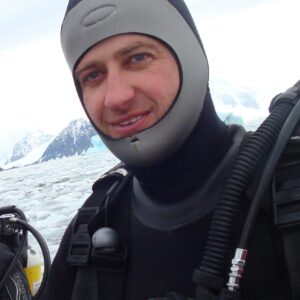
Monitoring: SCUBA divers took high resolution photos at 2-3 month intervals over two years.
The project aimed to:
Heated panels like these have now been deployed in New Zealand, Bangor, California, Newcastle and Scotland. There are currently plans to deploy them in Terra Nova Bay, Antarctica and on the Great Barrier Reef, and there is a network planning to deploy them in Norway, Denmark and the Arctic as noted in this article.
The project was led by British Antarctic Survey scientists working with the Antarctic Marine Engineering Team (AME). Divers at Rothera Research Station deployed and monitored the panels.
This project was funded by NERC: reference NE/J007501/1 “Effects of warming on recruitment and marine benthic community development in Antarctica”
This project is based at Rothera operating out of the Bonner Laboratory, but Leyre Villota-Nieva, the PhD student associated with the project is also trialing the panels in Bangor, UK studing seasonal responses in the Menai Straits.
Marine Ecologist IMP 3
Genetics Leader IMP 3
Ecophysiologist
The PhD associated with this project is co-supervised by Dr Andrew Davies at Bangor University
Collaboration on biofilm metagenomics with Dr Ben Temperton at the University of Exeter
A team of scientists has discovered that a 1°C rise in local sea temperature has massive impacts on an Antarctic marine community. These new results are published this week (31 […]