Marine Ecologist

The project aims to improve the way we manage and monitor the pelagic ecosystem around South Georgia.
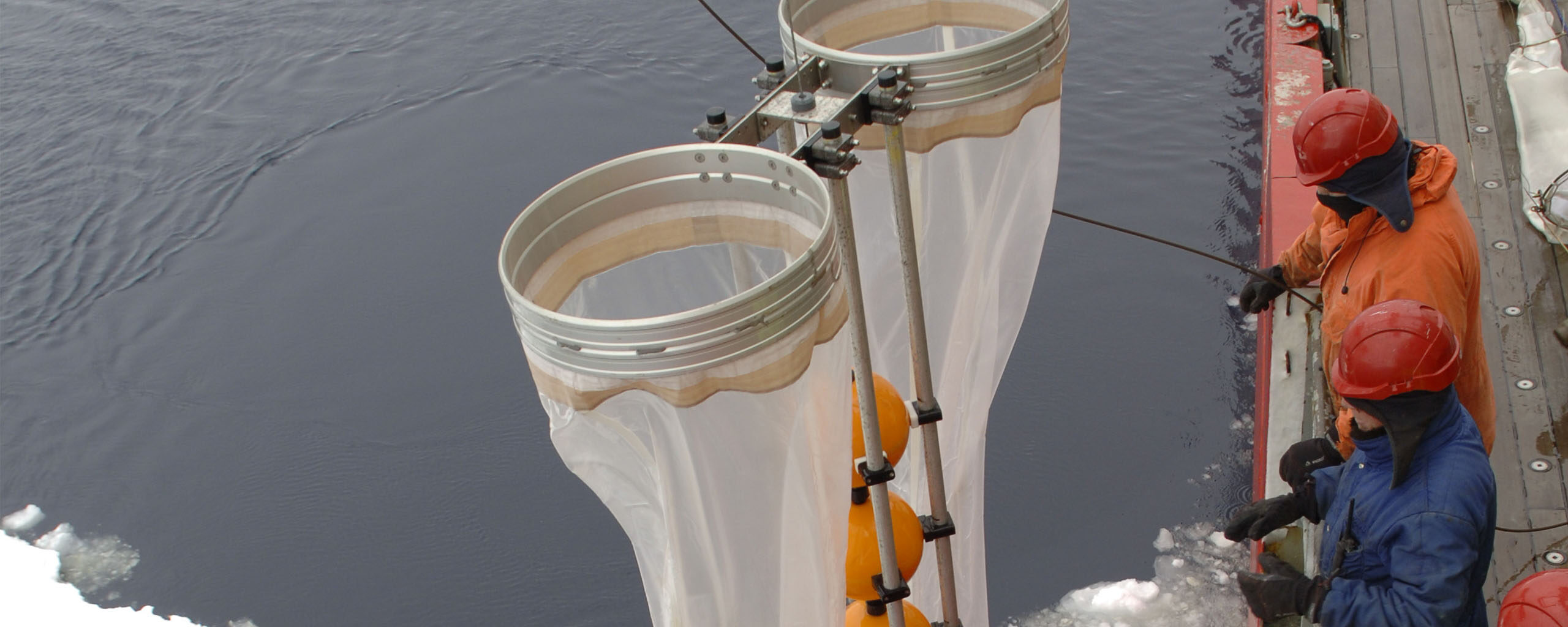
We are testing new tools to study zooplankton. These include nets, an optical profiler, and water sampling for environmental DNA (eDNA).
Using these methods together gives a more complete picture of the ecosystem than nets alone.
Zooplankton are a vital part of the Scotia Sea food web. They connect microscopic plants to predators such as fish, birds, and mammals. They also support important commercial fisheries.
Because they are small and respond quickly to change, zooplankton are good early indicators of environmental shifts.
At the moment, routine sampling focuses on only a few groups. These include krill, fish, and Themisto species.
To understand how the ecosystem is changing, we need better information on a wider range of species. This includes copepods and delicate gelatinous plankton that nets often damage or miss.
The project fills this gap using image-based methods, molecular analysis, and traditional sampling.
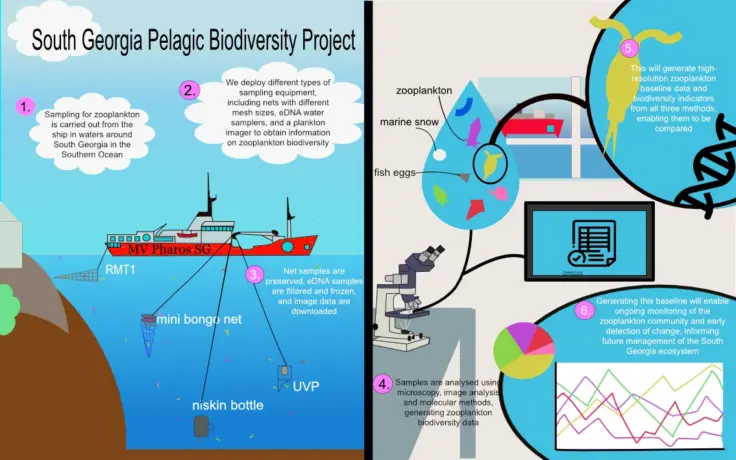
Infographic created by Phoebe Ratcliffe (work experience placement)
This Darwin Plus funded project is led by BAS, working with the Government of South Georgia and the South Sandwich Islands (GSGSSI) and the Marine Biological Association (MBA).
Outcome
Improved effectiveness of MPA management via development of technical and analytical tools for comprehensive zooplankton biodiversity and non-native species monitoring through three synergistic methods, and input into GSGSSI management activities.
Objectives
1. Creating capacity for higher resolution and more cost-effective zooplankton biodiversity monitoring at South Georgia
2. Acquisition of data on lower trophic level biodiversity and distribution, including zooplankton, ichthyoplankton and non-native taxa or parasites
3. Development of new zooplankton and ichthyoplankton data and bioindicator assessment tools for direct application to monitoring and management
4. Input to SGSSI monitoring and management activities to improve consideration of zooplankton and ichthyoplankton biodiversity and community composition as bioindicators (e.g. differences in species dominance) and to incorporate invasive or non-native species monitoring
5. Publication and dissemination of results
Marine Ecologist
Science Leader IMP 3

Zooplankton Ecologist
Mark Belchier, GSGSSI
Vicki Foster, GSGSSI
Marianne Wootton, MBA