Observational Oceanographer

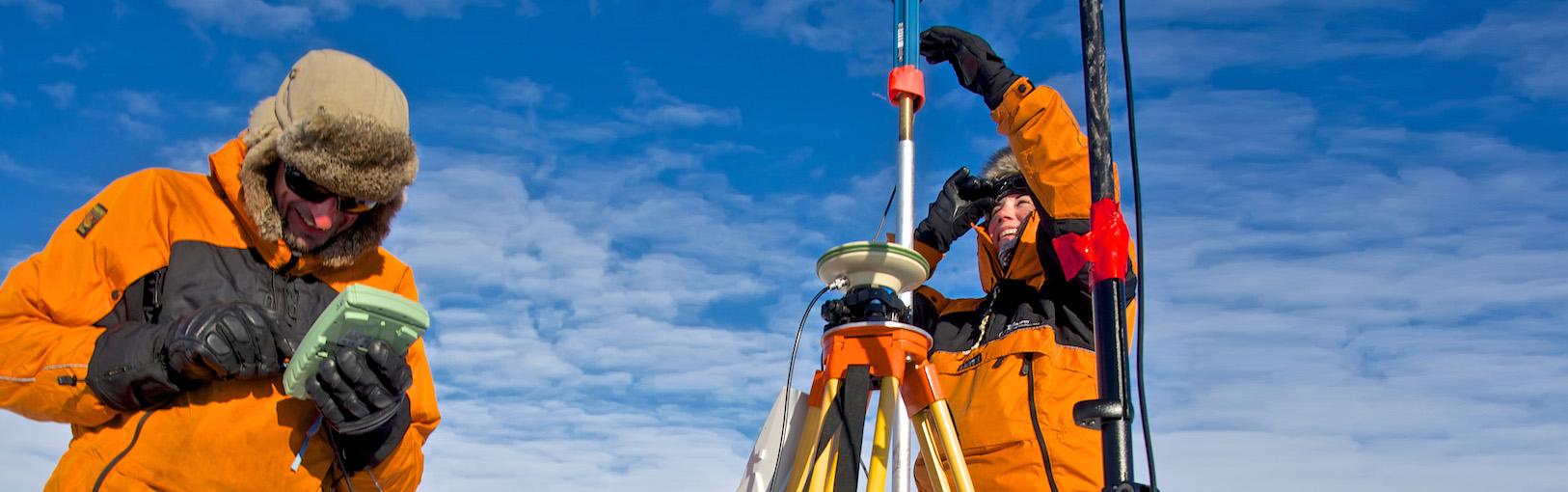
The iSTAR programme was a six-year, £7.4 million research effort led by BAS and funded by the Natural Environment Research Council (NERC). It brought together scientists from 11 UK universities and BAS to investigate why parts of the West Antarctic Ice Sheet were losing ice so rapidly.
Using state-of-the-art technologies across four linked projects, iSTAR studied ocean processes, glacier dynamics, and ice–ocean interactions in the Amundsen Sea sector. The knowledge gained has contributed to international efforts to predict Antarctica’s future and its role in global sea-level rise.
iSTAR-A studied how relatively warm ocean water reached beneath glaciers in the Amundsen Sea and delivered heat to their undersides. The project tested different mechanisms, such as wind forcing, ocean waves, and seafloor channels, to understand how this heat transport varied and drove melting.
iSTAR-B focused on Pine Island Glacier, where rapid thinning and melting beneath its floating ice shelf had surprised scientists. By examining ocean circulation in Pine Island Bay, the project revealed how water only slightly above freezing could cause significant basal melt and ice loss.
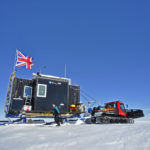
iSTAR-C investigated why Pine Island Glacier was thinning and accelerating at different rates across its trunk and tributaries. The project examined how thinning ice shelves influenced glacier flow and how upstream thinning patterns varied across the glacier system.
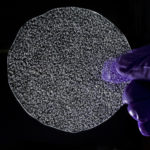
iSTAR-D used satellite observations, combined with field data, to measure how much ice the Amundsen Sea sector was losing to the ocean. By distinguishing true ice loss from changes in ice density or Earth’s crustal motion, the project improved estimates of the region’s contribution to sea-level rise.
iSTAR improved understanding of the processes driving rapid change in West Antarctica. Its findings provided vital evidence for predicting future sea-level rise, supporting global science, policy, and decision-making in response to climate change.
This project is managed by British Antarctic Survey (BAS) on behalf of NERC. Operational support, in the form of logistics planning and infrastructure, and Communication and Knowledge Exchange support are provided by BAS.
Our mission is to improve understanding of what’s happening to the area of the West Antarctic Ice Sheet where the greatest rates of ice loss over the last decades have been observed. New knowledge about the stability of this ice sheet is critical for making better predictions about how the ocean and ice will respond to environmental change, and what impact this may have on future sea level.
iSTAR is an ambitious scientific programme funded by the Natural Environment Research Council (NERC). It brings together leading scientists from 11 UK universities and from British Antarctic Survey (BAS).
The six-year, £7.4 million programme is organised into four main research projects — each uses state-of-the art technologies to make new discoveries about the ocean or the ice.
 iSTAR-A |
 iSTAR-B |
 iSTAR-C |
 iSTAR-D |
Analysis of observations and measurements will create knowledge and understanding that will make a major contribution to the ongoing urgent international scientific effort to understand our changing world. The results of these investigations will bring many benefits to science, to policy and to economic decision-making — which will ultimately contribute to the well-being of our society.
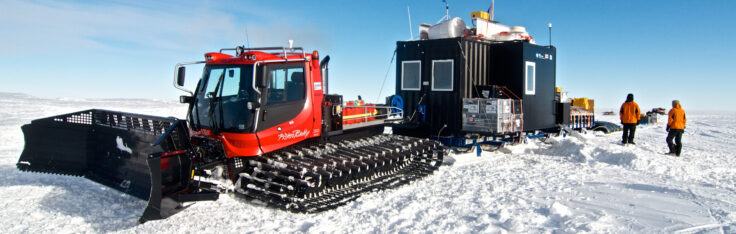
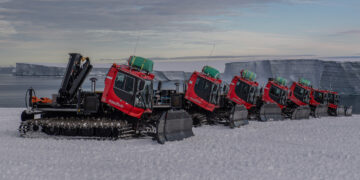
The tractor train tows the living accommodation
Exploring ice – Discovering Antarctica
iSTAR has two distinct aspects:
Within the OCEAN-focussed investigation there are two projects:
Within the ICE-focussed investigations there are two projects:
Observational Oceanographer

Data Manager

Oceanographer
Professor Karen Heywood, University of East Anglia
Dr Adrian Jenkins, British Antarctic Survey
Professor David Vaughan, British Antarctic Survey
Professor Andrew Shepherd, University of Leeds

Vicki Norton, Senior science programme officer
Mike Webb, Head of Marine Sciences
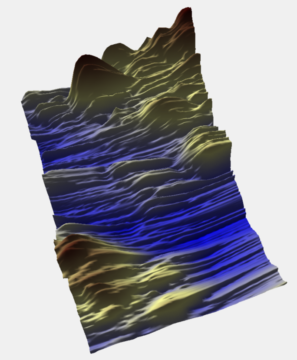
A UK team of researchers has produced high-resolution maps of the bed beneath a major glacier in West Antarctica, which will help them predict future sea-level rise from this region. […]
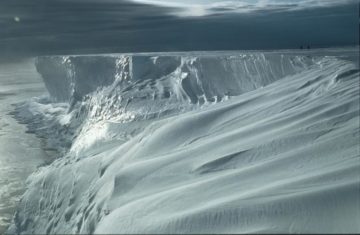
Local weather plays an important part in the retreat of the ice shelves in West Antarctica, according to new research published in the journal Nature Communications today (Friday 17 February). […]
An international team of researchers has discovered why fresh water, melted from Antarctic ice sheets, is often detected below the surface of the ocean, rather than rising to the top […]
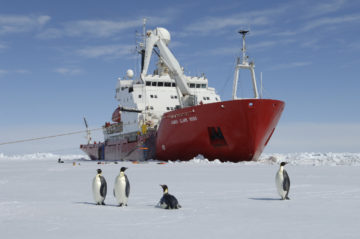
New season tackles ambitious science and logistical challenges The British Antarctic Survey (BAS) 2015/16 field season is underway with dozens of scientists and support staff – together with planes and tonnes […]
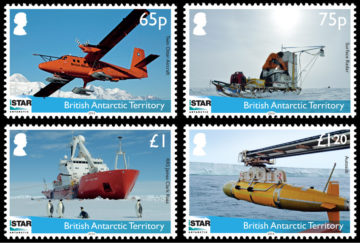
Stamp of approval for iSTAR The iSTAR programme, which is looking at the stability of Pine Island Glacier in Antarctica, is featured in a new set of British Antarctic Territory […]
Scientists head to Pine Island Glacier for new research season A team of twelve scientists and support staff has arrived on Pine Island Glacier in West Antarctica in the second […]

Previous rapid thinning of Pine Island Glacier sheds light on future Antarctic ice loss New research, published this week in Science, suggests that the largest single contributor to global sea […]
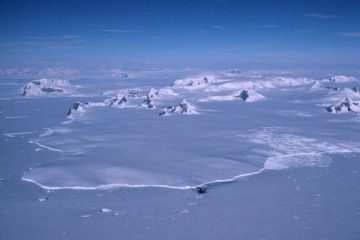
Focus on Pine Island Glacier, Antarctica Pine Island Glacier, on the West Antarctic Ice Sheet (WAIS) is the largest single contributor to sea-level rise in Antarctica. The stability of the […]
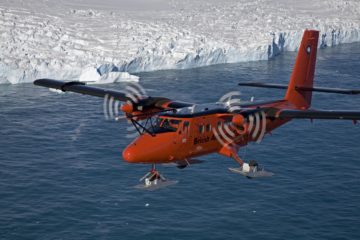
British Antarctic Survey field season is underway On the eve of the centenary year of Ernest Shackleton’s Endurance Expedition the ship which bears his name is playing a crucial role […]
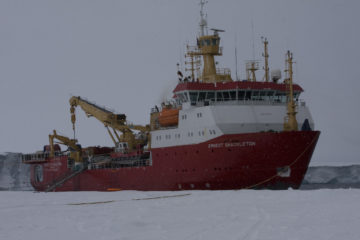
Ambitious science mission sets off for Antarctica A team of British scientists is making final preparations for an ambitious Antarctic science mission. They aim to discover what’s causing the recent […]
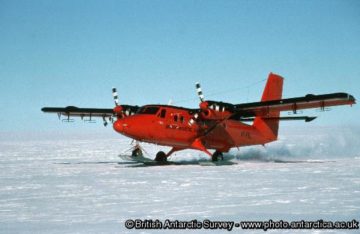
The largest British Antarctic facility is a centre for biological research and a hub for supporting deep-field science.
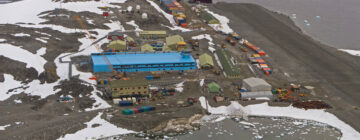
Our tractor train traverse system is an innovative way to support deep-field science across Antarctica.