Morley, S., Campanella, F., Baylis, A., Barnes, D., Bell, J., Bennison, A., Collins, M., Glass, T., Martin, S., Whomersley, P., Young, E., & Schofield, A. (2024). Fisheries acoustic data, whale and bird data from two transits from the Falkland Islands to Tristan da Cunha during March 2018 (RRS James Clark Ross) and March 2019 (RRS Discovery) (Version 1.0) [Data set]. NERC EDS UK Polar Data Centre. https://doi.org/10.5285/db06c590-4f6d-4a8a-9b8c-ce45204103c1
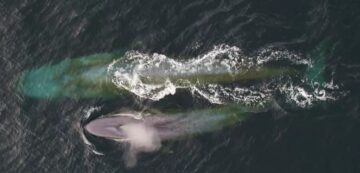
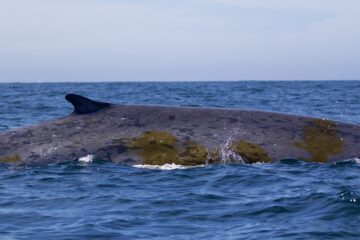
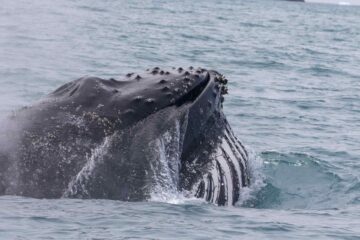
South Georgia’s Lost Giants is part of the British Antarctic Survey’s “Wild Water Whales” project studying the recovery of whales from historical exploitation in South Georgia.
In January, we finally deployed two of the acoustic moorings in Cumberland Bay. This was after almost a year and a half in delays mainly due to large icebergs in the area.
scientists are focusing on two major projects: one on whales and their consumption of krill (a shrimp-like creature that’s abundant in the Southern Ocean), and another on populations of bottom-dwelling fish.