Global Navigation Satellite System (GNSS) receivers
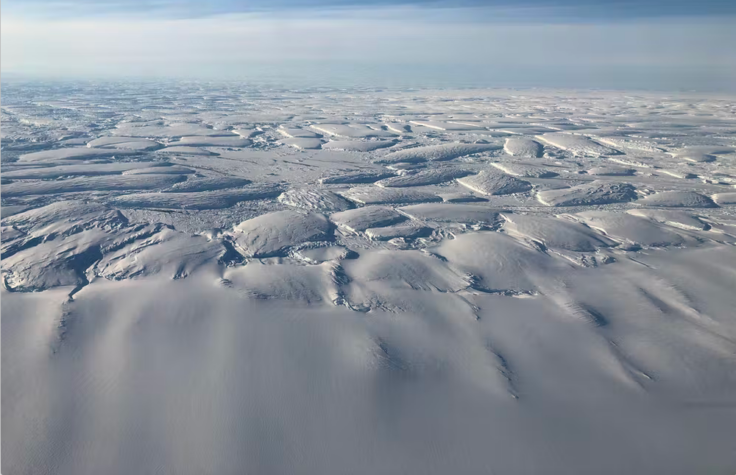
British Antarctic Survey (BAS) maintains a network of GNSS receivers across West Antarctica

1 to 12 of 136 results
British Antarctic Survey (BAS) maintains a network of GNSS receivers across West Antarctica
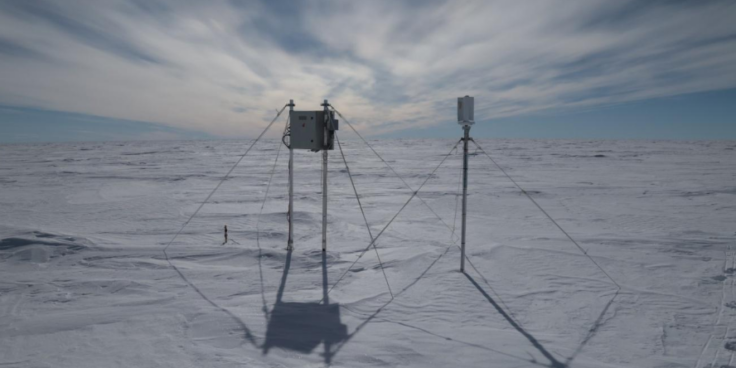
British Antarctic Survey Low Power Magnetometers focus on studying the external magnetic field and its impact on power grid infrastructure.
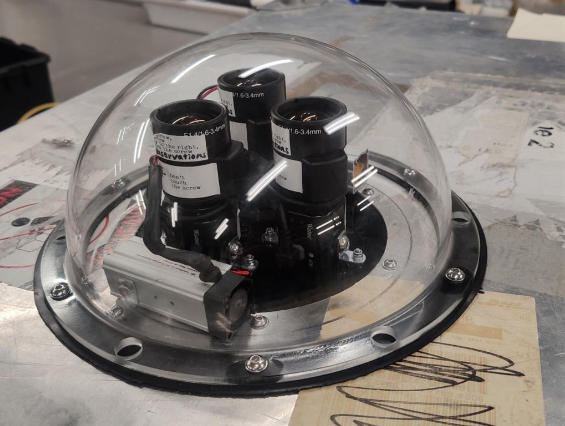
Three compact auroral cameras have been installed at Halley Research Station to support coordinated studies of auroral and wave phenomena.
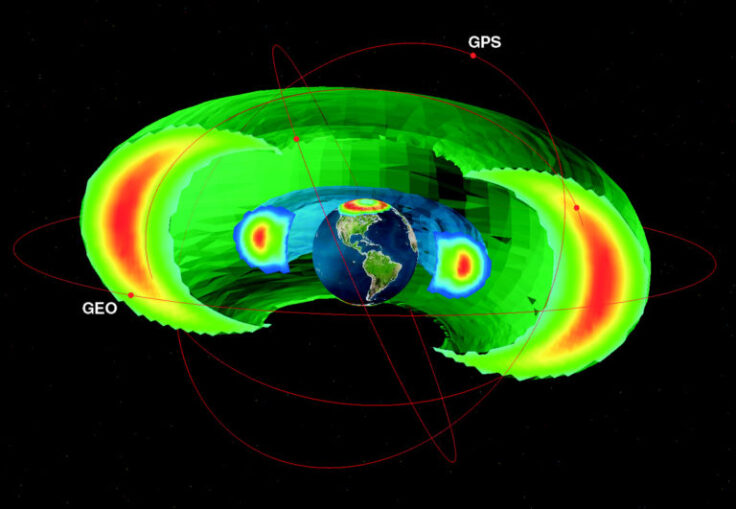
BAS-RBM simulates changes in the high-energy electron population of the radiation belts, taking into account effects such as changing solar activity and wave-particle interactions.
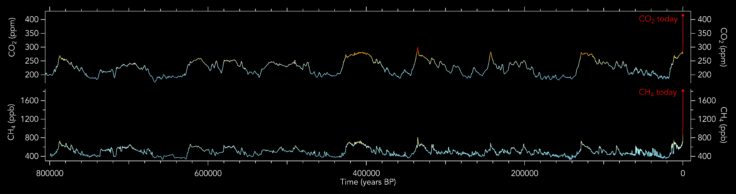
Specialist ice core facility to measure concentration and isotopic composition of greenhouse gases
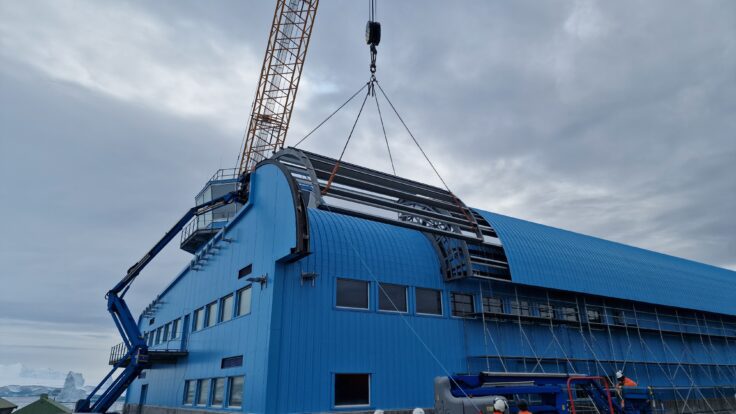
The Discovery Building will be a new world-class scientific support and operations facility at Rothera Research Station in Antarctica.
The plant collections held in the British Antarctic Survey’s herbarium consist of over 40,000 plant specimens from Antarctica, the sub-Antarctic Islands and surrounding continents.

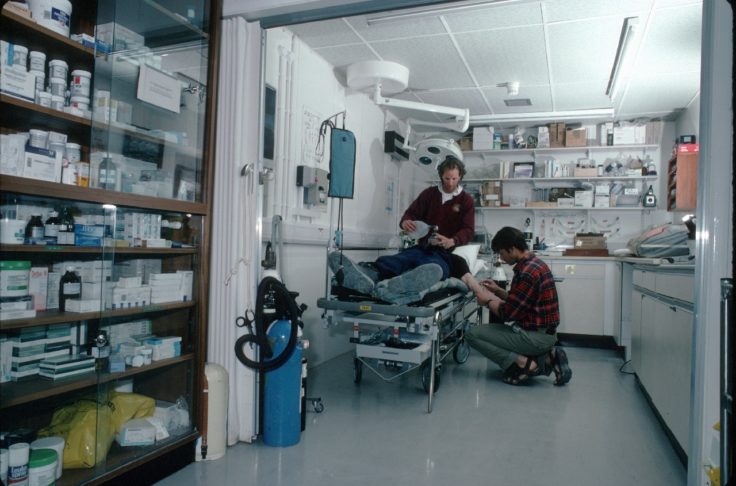
Rothera Research Station has a fully equipped medical surgery. In summer there are two doctors onsite; during winter there is one.
This instrument is designed to measure the amount of precipitation. It is based on a rain gauge but has been adapted to work in low temperatures with solid precipitation.

There is a well located at the wharf containing two tide gauges. One is based on a pressure sensor, the second uses a wave guided radar. These tide gauges make up part of a global network.
SAOZ measures sunlight scattered from the overhead sky in a way that allows us to calculate how much of the atmospheric gases ozone and nitrogen dioxide the light has passed through on its journey.
At the base of the met tower is a white box housing a laser. It fires a beam straight up and measures the time delay on the return beam to calculate the height of the clouds that reflect it.