Rothera is more than a research station — it’s a thriving scientific community, driving discoveries that deepen our understanding of a changing planet.
Our gateway for our wider deep field science and operations, Rothera serves as a launch point for deep-field expeditions to remote stations such as Fossil Bluff and Sky-Blu. It also supports major projects such as the International Thwaites Glacier Collaboration.
Rothera Research Station
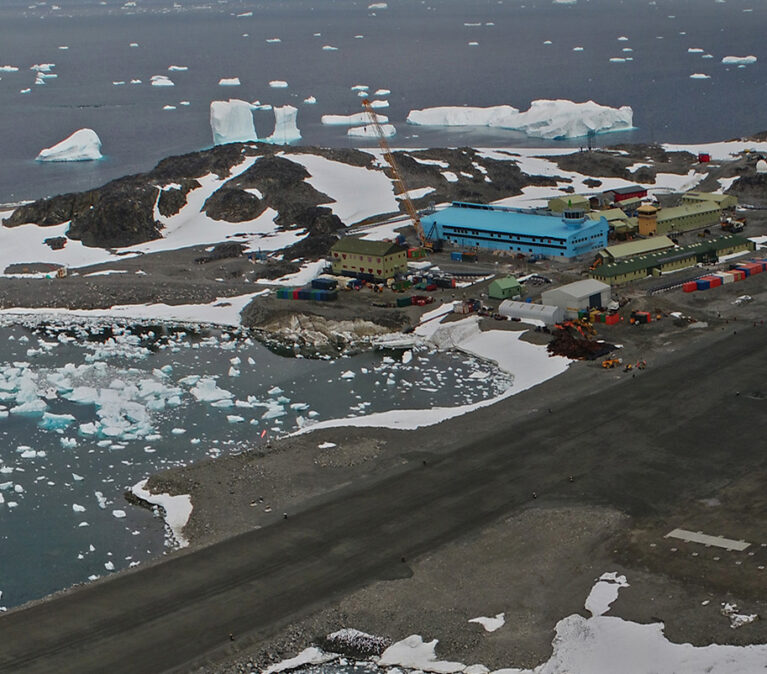
Rothera Research Station itself, on Adelaide Island, is the UK’s largest Antarctic base and a gateway for science across the continent. Established in 1975, it boasts long-term weather monitoring and supports year-round research and logistics for deep-field operations.
Learn more about Rothera Research Station.
The Bonner Laboratory
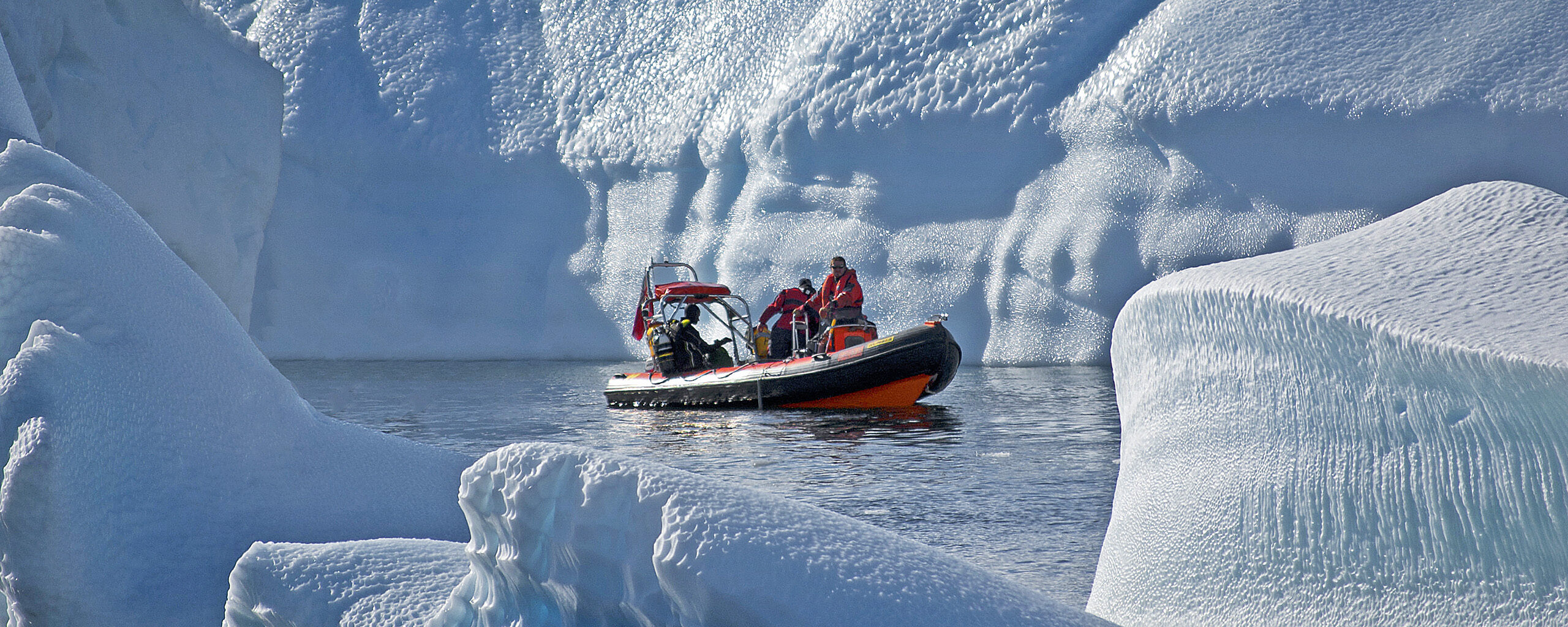
The Bonner Laboratory and dive facility enable year-round marine biology studies, including research on biodiversity, macroalgae, and how seabed life responds to warming and iceberg movement. These long-term programmes help reveal how Antarctic ecosystems adapt to environmental change.
Rothera is also home to our air operations. Its 900-metre runway and fleet of polar aircraft provide vital links between field sites and the wider continent. The station’s mechanical workshops, medical unit and living facilities support 160+ people in summer and around 34 over winter.
Ongoing transformation
Currently, Rothera is being transformed through the Antarctic Infrastructure Modernisation Programme (AIMP). The new Discovery Building brings advanced energy systems, modern laboratories and improved living spaces to ensure the UK remains a leader in polar science for decades to come.
Antarctic Infrastructure Modernisation Programme
We are in the midst of a long-term programme to enhance the UK’s polar research capabilities – the Antarctic Infrastructure Modernisation Programme.