
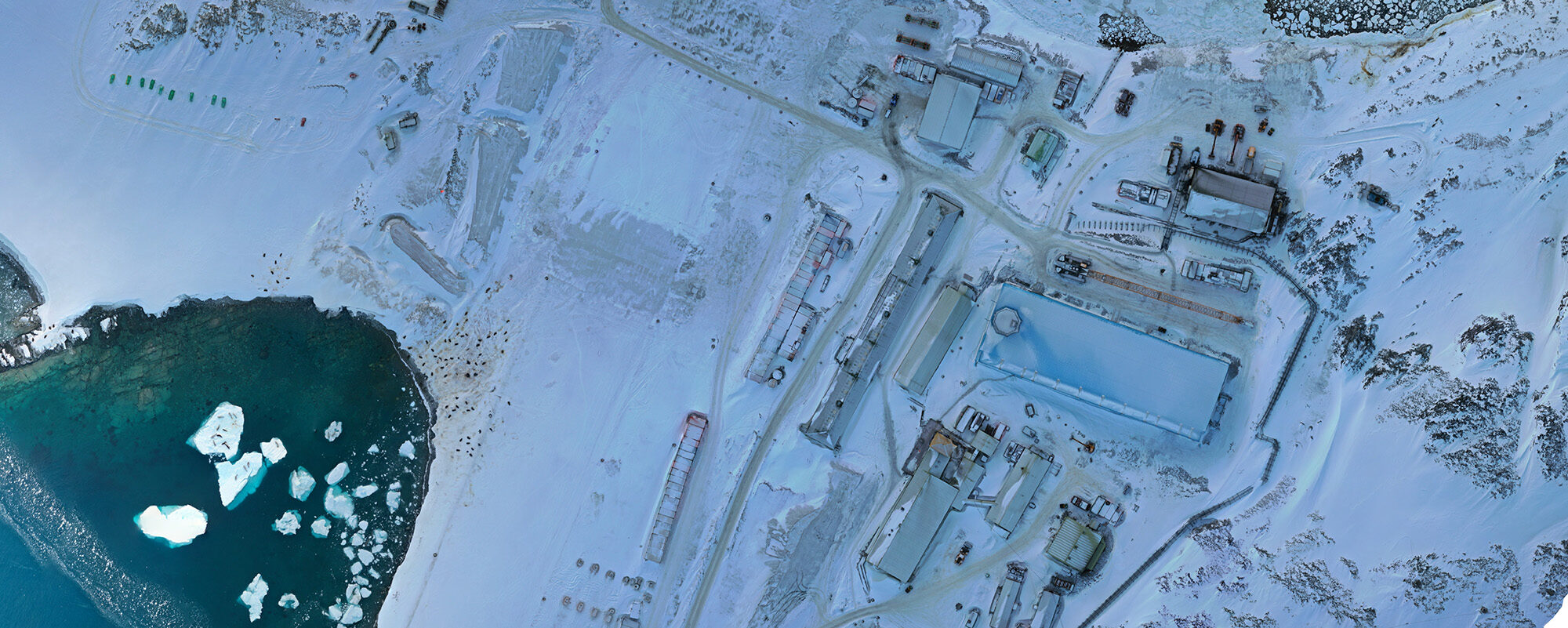
British Antarctic Survey (BAS) operates a network of research stations and facilities strategically located in both polar regions to support diverse scientific research programmes.
These stations serve as crucial hubs for scientists, providing accommodation, laboratories, and the logistical support necessary for conducting long-term environmental monitoring and cutting-edge research.
Across all these stations, BAS ensures researchers have access to the state-of-the-art tools and infrastructure needed to conduct world-leading polar science. This includes well-equipped laboratories, advanced monitoring equipment, and data management systems.
The strategic distribution of these facilities allows BAS to address a wide range of scientific questions across both polar regions, contributing significantly to our understanding of Earth’s frozen places and their role in global environmental systems.
Rothera
BAS’s largest facility is Rothera Research Station, located on Adelaide Island on the Antarctic Peninsula. It includes science laboratories, an aquarium, boating and diving facilities, and a meteorological office.
Rothera also hosts an air hangar, runway, wharf and vehicles workshop, making it a key logistics centre for accessing other Antarctic research sites, as well as supporting airborne and deep-field science. The station supports a range of scientific disciplines, from glaciology and climate change studies to marine biology and atmospheric research.
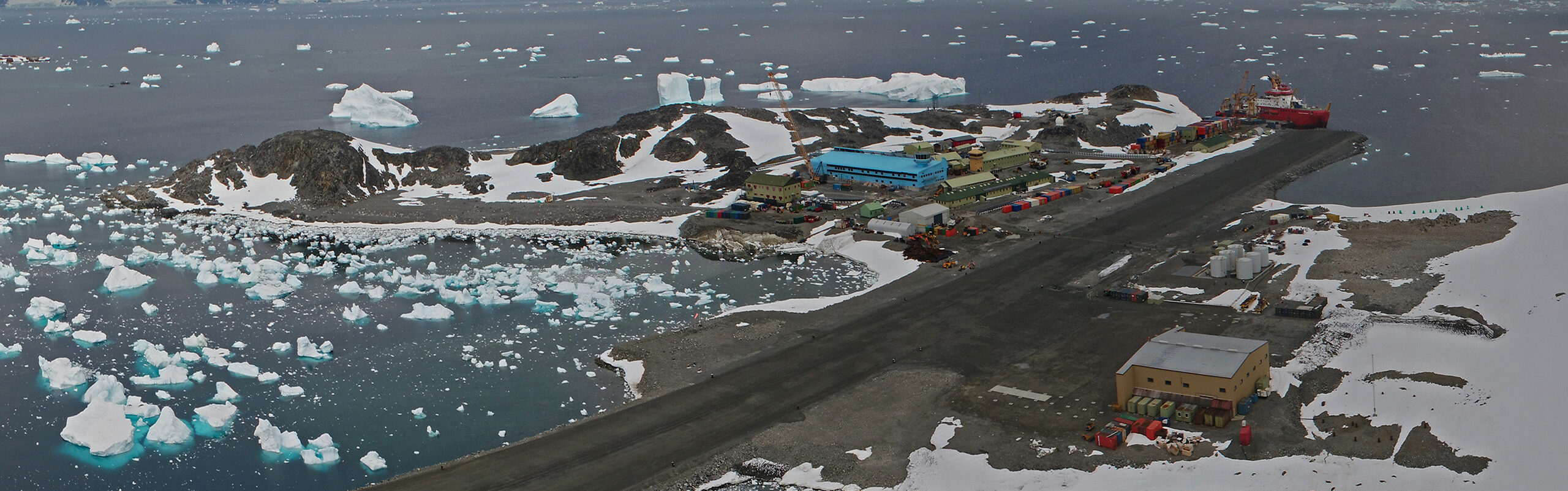
A panorama of Rothera Research Station
Halley
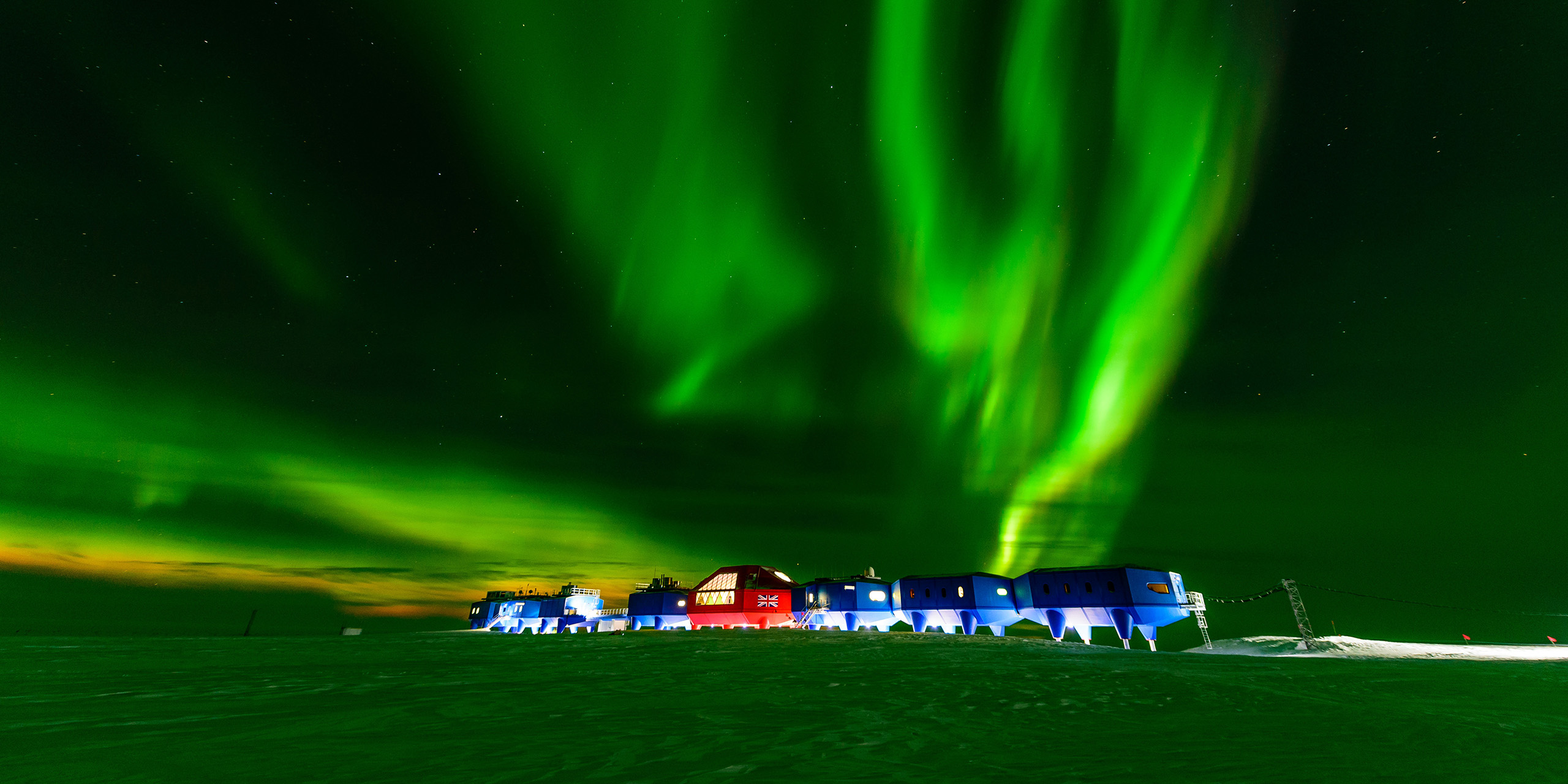
Situated on the Brunt Ice Shelf in Antarctica, Halley Research Station is renowned for its crucial role in the discovery of the ozone-layer hole. This modular station is designed to cope with the movement of the ice shelf and is the sixth station to bear the name with a history stretching nearly 70 years, (the 6th January 1956). Halley 6 was moved over 20km in 2016/17.
Halley is a vital platform for atmospheric science, space weather monitoring, and learning more about the physical dynamics of Antarctica’s vast, flowing ice shelves.
King Edward Point
King Edward Point Research Station is located on the sub-Antarctic island of South Georgia. It is a base for marine and ecosystems research — contributing to the management of the fisheries in the surrounding area and the wider Southern Ocean.
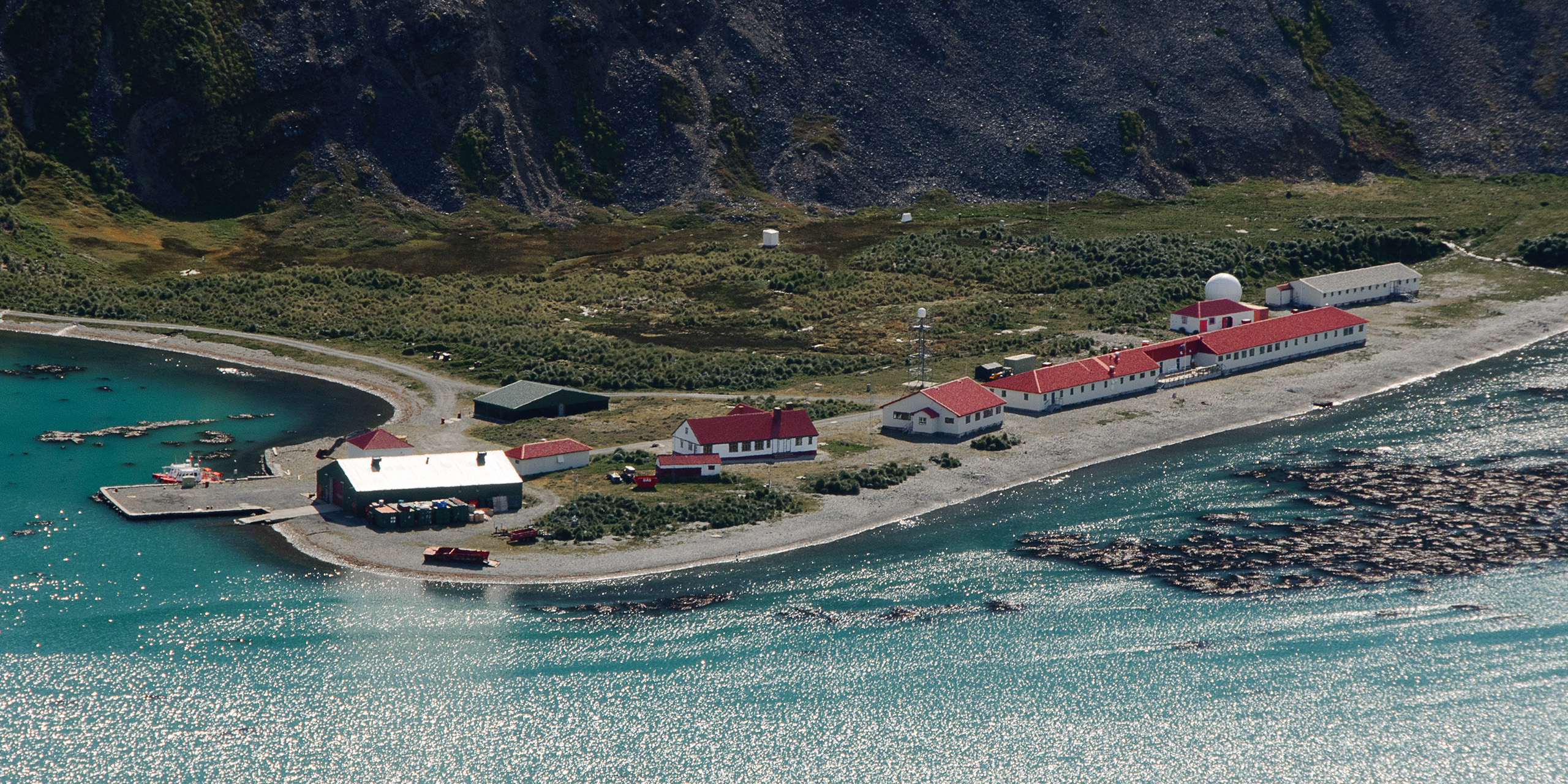
King Edward Point Research Station
Bird Island
Focussing on marine biology and the study of seabirds and seals, Bird Island Research Station is located off the coast of South Georgia. The station provides essential infrastructure for long-term monitoring ofthe island’s rich wildlife populations, and their significance to the Southern Ocean ecosystem.
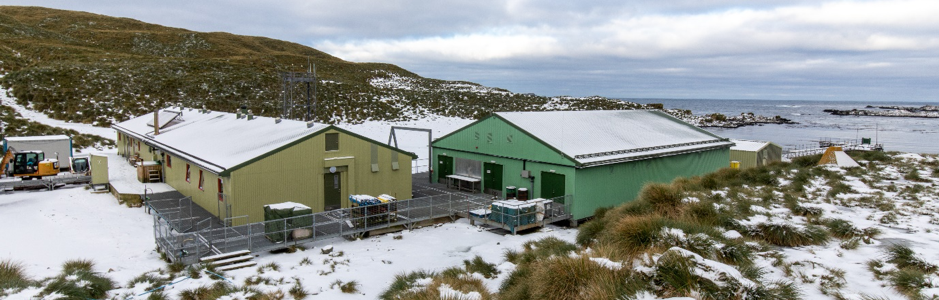
Bird Island Research Station in South Georgia
Signy
The location of Signy Research Station on Signy Island in the South Orkney Islands provides access to a range of terrestrial and marine ecosystems. It means scientists can study the impacts of environmental change on polar biodiversity.
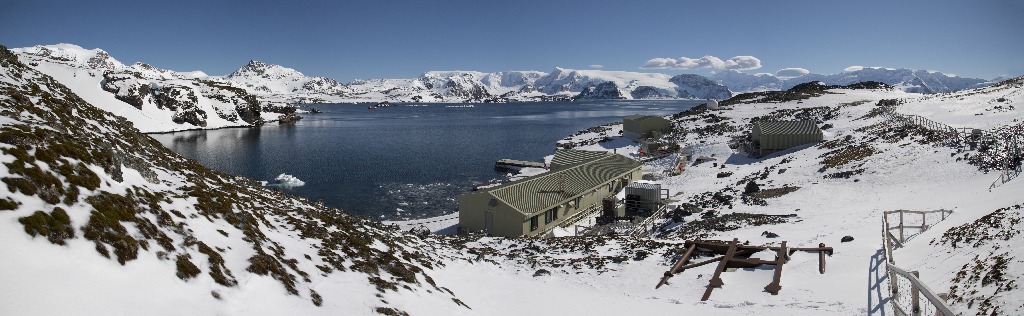
Signy Research Station during the station opening and relief in December 2017 (Pete Bucktrout)
The Arctic
BAS also operates the UK Arctic Research Station as a member of the international research community at Ny-Ålesund in Svalbard.
The station provides a platform for UK scientists to collaborate on Arctic research projects, focusing on climate change, atmospheric processes, terrestrial biology and glaciology in the Arctic environment.
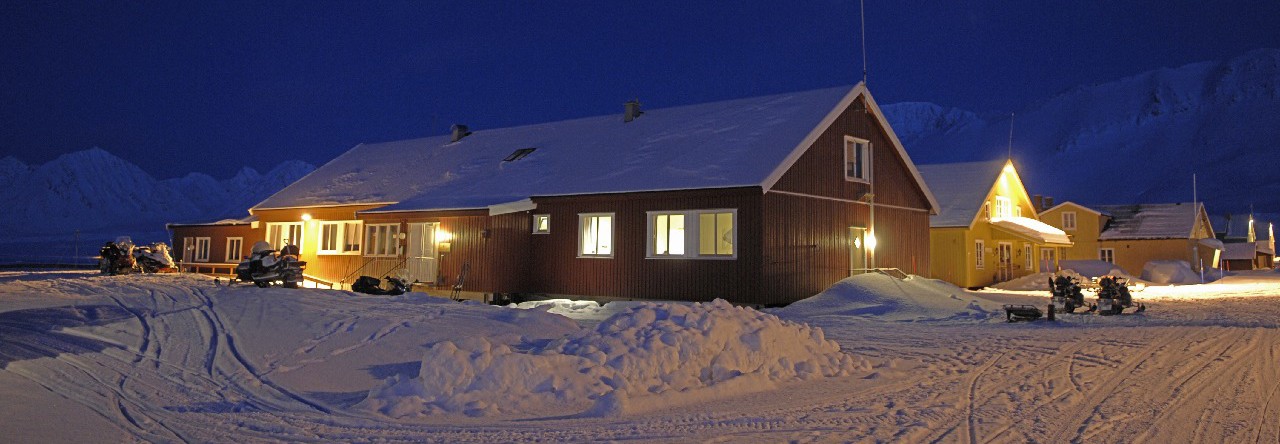
The NERC’s UK Arctic Research Station, run by the British Antarctic Survey, at Ny Alesund on Svalbard (Pete Bucktrout)
Antarctic Infrastructure Modernisation
The Antarctic Infrastructure Modernisation Programme is transforming how BAS enables and supports polar science. The multi-year investment programme aims to modernise our research facilities to ensure the UK remains at the forefront of climate, biodiversity, and ocean research in Antarctica.