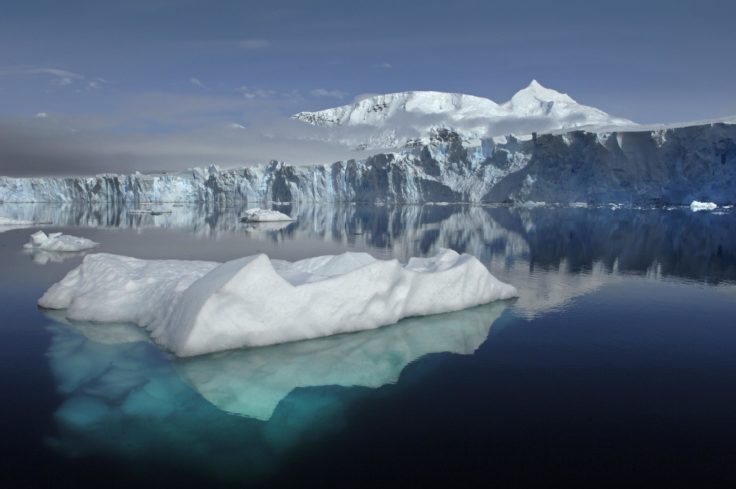
Arctic Basecamp will move to Davos
Science Summit will call on global leaders for immediate action on the Arctic A group of leading scientists have announced an Arctic Science Summit that will take place in Davos, […]

805 to 816 of 1442 results
Science Summit will call on global leaders for immediate action on the Arctic A group of leading scientists have announced an Arctic Science Summit that will take place in Davos, […]

Scientists agree that meeting the ever-increasing needs of the Earth’s human population while maintaining biological diversity is one of the greatest challenges of our time. Despite bold international commitments, biodiversity […]
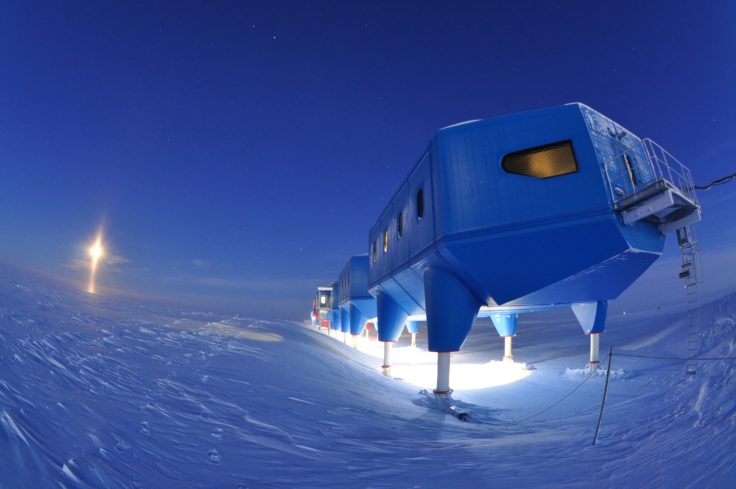
British Antarctic Survey is getting ready to move its Halley VI Research Station 23 km across the ice. This is the first time that the station, which has a re-locatable […]
As spring returns to the southern hemisphere British Antarctic Survey (BAS) has started another research season which will take them over land, sea and ice in search of answers to […]
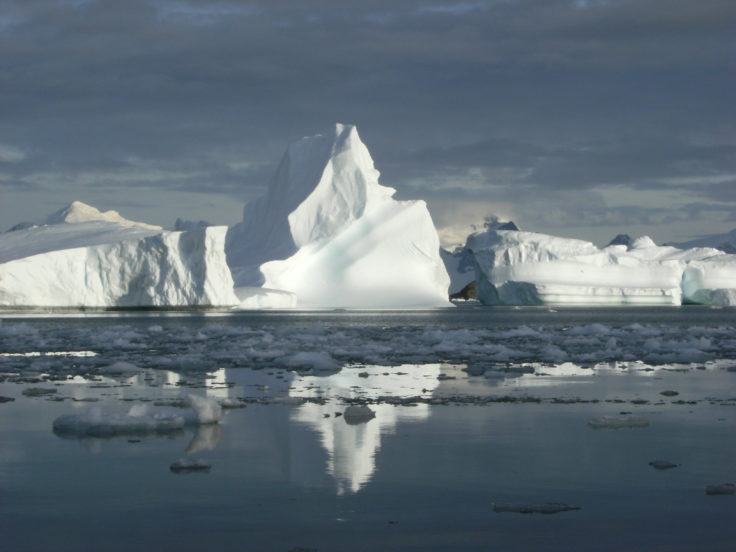
New study reveals when West Antarctica’s largest glacier started retreating Reporting this week (Wednesday 23 November) in the journal Nature an international team led by British Antarctic Survey (BAS) explains […]
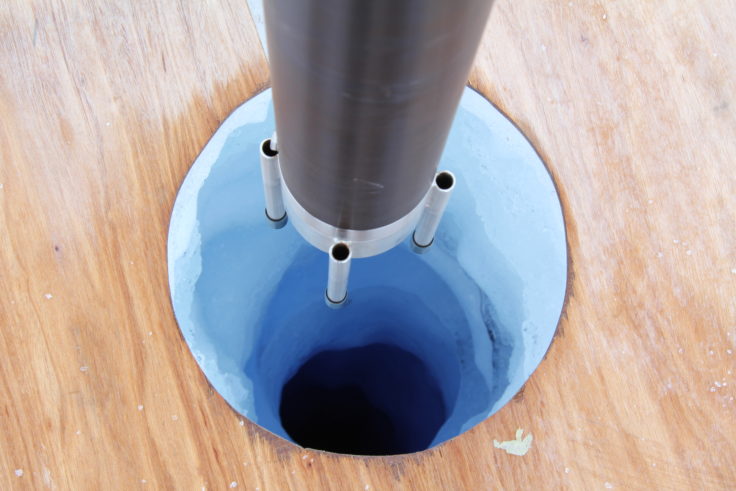
When divers laid a grid of 225 markers on the seabed it started one of the longest marine disturbance experiments anywhere in the world. Surveyed and replaced annually, they show […]
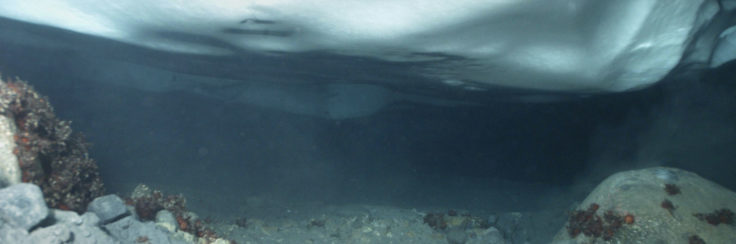
Gondwana break-up changed the global continental configuration, leading to the opening of major oceanic gateways, shifts in the climate system and significant impacts on the biosphere, hydrosphere and cryosphere. Although […]
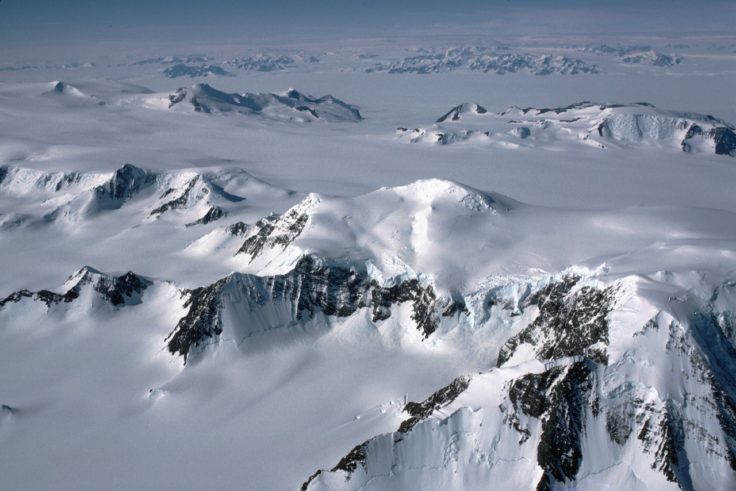
First phase of project to collect 1.5 million years of climate data in Antarctica A team of European scientists heads to East Antarctica this month to locate the oldest ice […]

A new study on how molluscs build their shells in the sub-zero waters of Antarctica is published today (Friday 11 November) in the journal Scientific Reports. A team of European […]
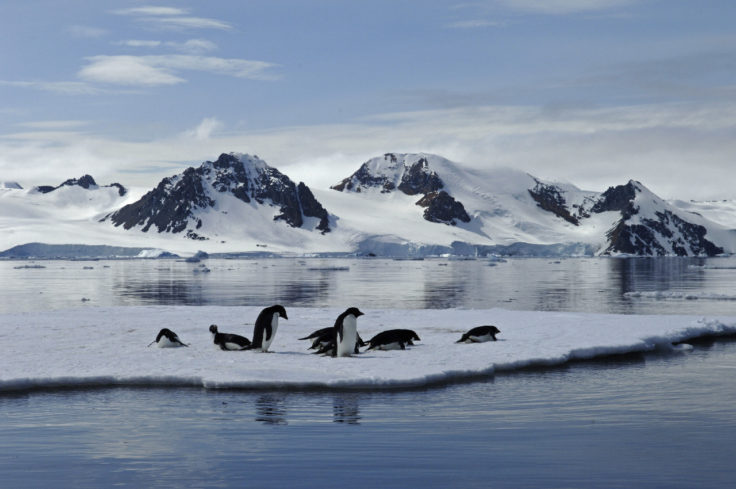
HOBART, Australia: The world’s experts on Antarctic marine conservation have this week agreed to establish a marine protected area (MPA) in Antarctica’s Ross Sea. At the meeting of the Commission […]
Shallow-water ecosystems are a major carbon sink, as many species living on the seafloor use carbon to build their tissue and shells. This carbon can become part of seafloor sediment […]