New Antarctic ice discovery aids future climate predictions
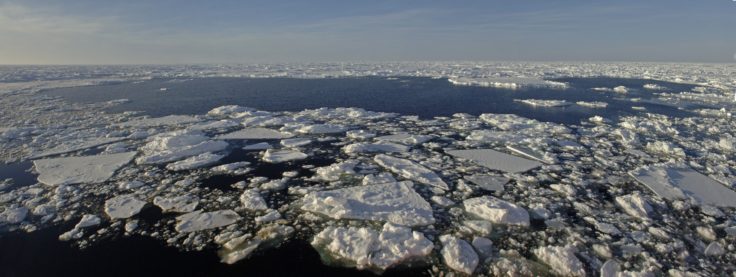
A team of British climate scientists comparing today’s environment with the warm period before the last ice age has discovered a 65% reduction of Antarctic sea ice around 128,000 years […]

805 to 816 of 1414 results
A team of British climate scientists comparing today’s environment with the warm period before the last ice age has discovered a 65% reduction of Antarctic sea ice around 128,000 years […]
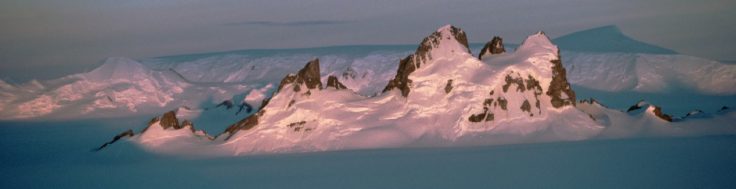
Until now estimates of how much of ice-free rock is exposed in Antarctica were stated as ‘less than 1%’. For the first time scientists from British Antarctic Survey (BAS) have […]
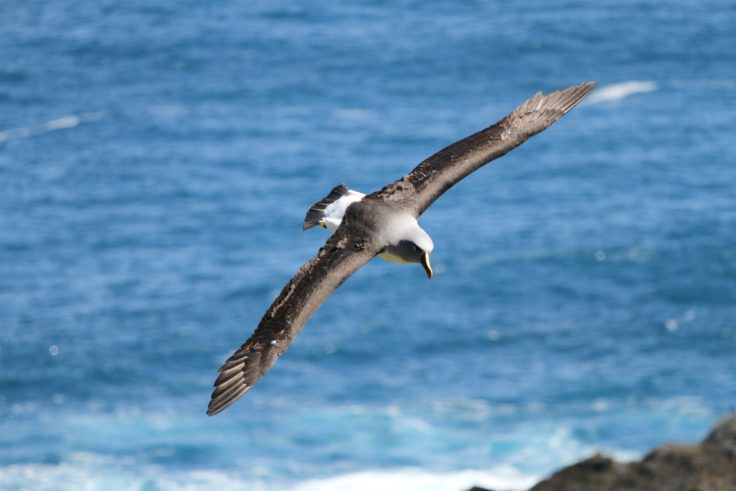
A review of breeding distributions, population trends, threats and key priorities for conservation actions on land and at sea for the 29 species covered by the Agreement on the Conservation […]
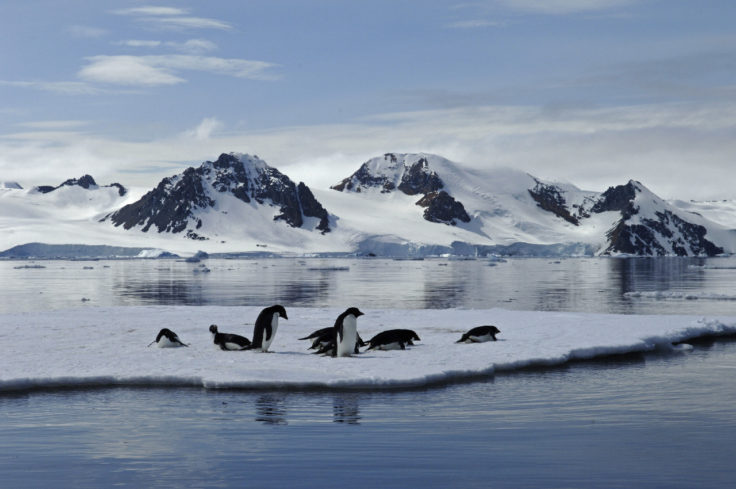
An international team of scientists have used air bubbles in polar ice from pre-industrial times to measure the sensitivity of the Earth’s land biosphere to changes in temperature.
A new study of the movements of sub-Antarctic albatrosses tracked from two remote islands some 5,000 km apart, shows that although the birds from each breeding site take similar routes around the Southern Ocean, they forage in different areas for the majority of the time. The results are published this month in the Nature journal Scientific Reports.
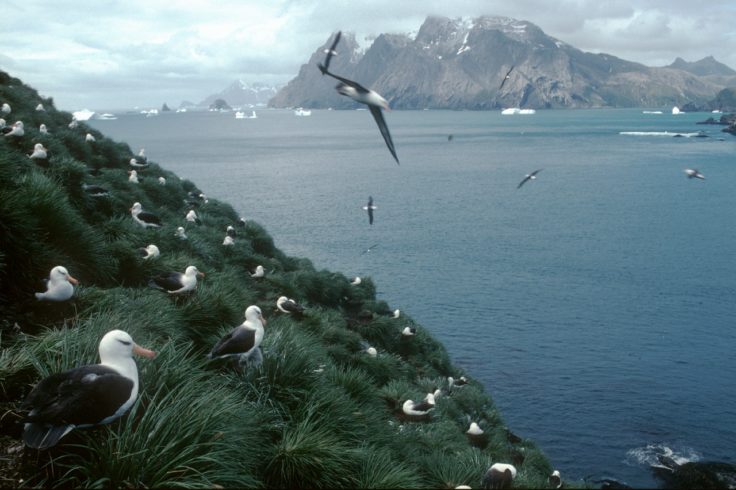
The rapid warming of the Antarctic Peninsula, which occurred from the early-1950s to the late 1990s, has paused. Stabilisation of the ozone hole along with natural climate variability were significant in bringing about the change. Together these influences have now caused the northern part of the peninsula to enter a temporary cooling phase. Temperatures remain higher than measured during the middle of the 20th Century and glacial retreat is still taking place. However, scientists predict that if greenhouse gas concentrations continue to rise at the current rate, temperatures will increase across the Antarctic Peninsula by several degrees Centigrade by the end of this century.
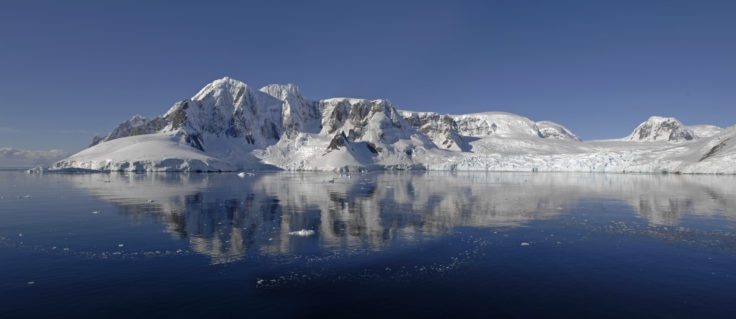
A new study has found for the first time that ocean warming is the primary cause of retreat of glaciers on the Antarctic Peninsula. The Peninsula is one of the largest current contributors to sea-level rise and this new finding will enable researchers to make better predictions of ice loss from this region.
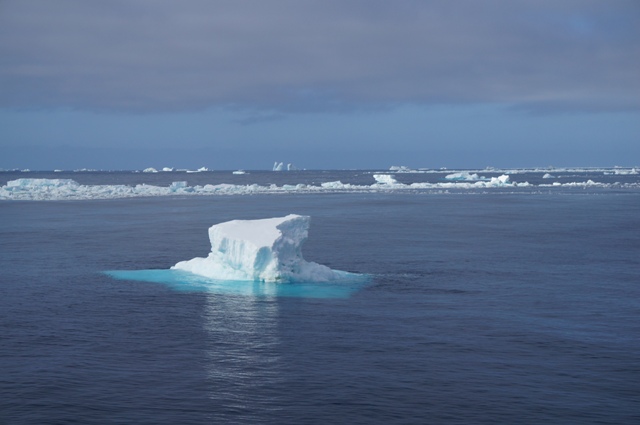
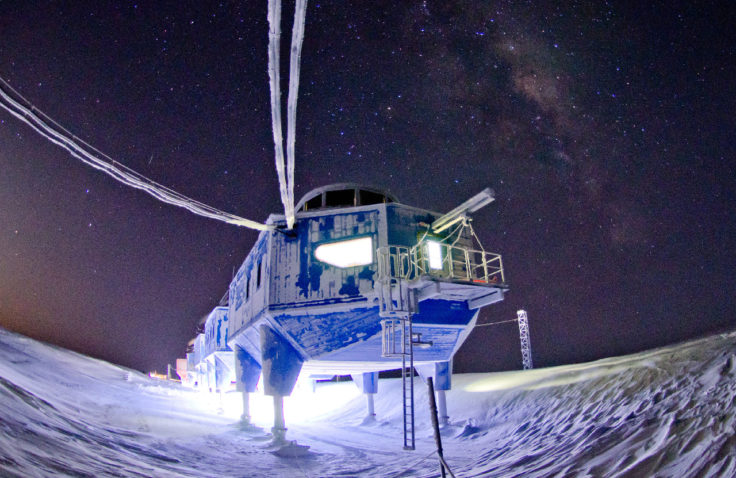
The Farnborough International Air Show is the next stop for a touring exhibition which highlights what space missions can learn about the isolation that confronts people who work in Antarctica. […]
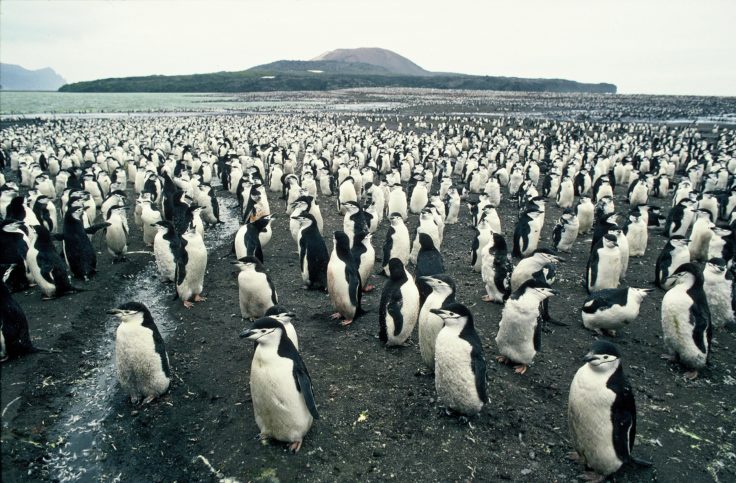
A volcano erupting on a small island in the Sub Antarctic is depositing ash over one of the world’s largest penguin colonies.
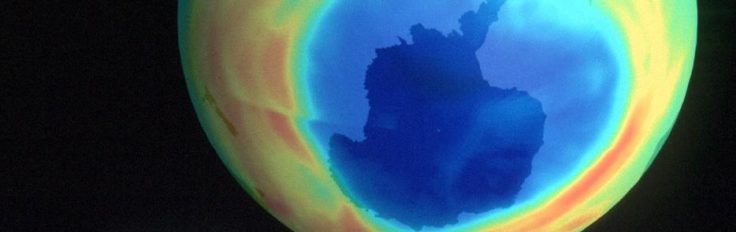
An international team of researchers has identified the “first fingerprints of healing” of the Antarctic ozone layer, published this week (30 June 2016) in the journal Science.
Antarctic sea ice is constantly on the move as powerful winds blow it away from the coast and out toward the open ocean. A new study published today in the journal Nature Geoscience (Monday 27 June) shows how that ice migration may be more important for the global ocean circulation than anyone realized.

New technologies and techniques used in a scientific study of the shells of oysters, mussels, clams and scallops reveal clues about how these commercially valuable species may fare in a changing world, and how discarded shells from the aquaculture industry could benefit the environment.