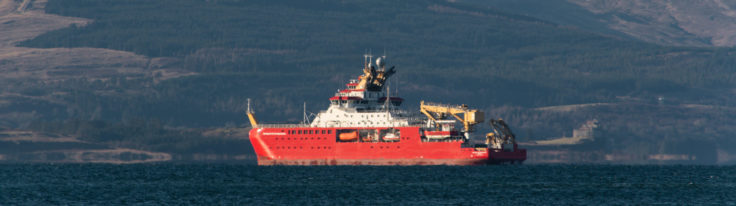
Midwinter Day 2022 in Antarctica
British Antarctic Survey (BAS) staff in the UK and across three Antarctic wintering stations observe the shortest, darkest day of the year on the frozen continent with a host of unique celebrations.


337 to 348 of 1442 results
British Antarctic Survey (BAS) staff in the UK and across three Antarctic wintering stations observe the shortest, darkest day of the year on the frozen continent with a host of unique celebrations.
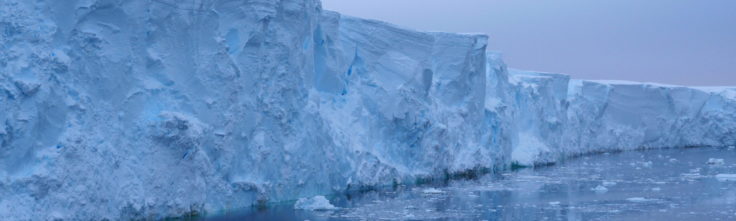
Two crucial glaciers in West Antarctica may be losing ice faster than they have over the last 5,000 years, according to a new study published this month (June 2022).
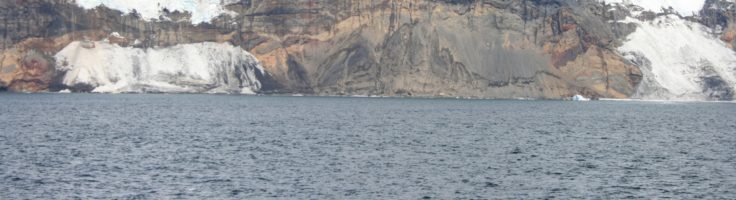
A special issue of the journal Deep-Sea Research which includes contributions from British Antarctic Survey (BAS) scientists features a range of new research which increases our understanding of the understudied South Sandwich Islands.

Britain’s new polar research ship, RRS Sir David Attenborough, returns to the UK today (14 June) after completing its landmark maiden voyage to Antarctica. The ship departed the UK in […]
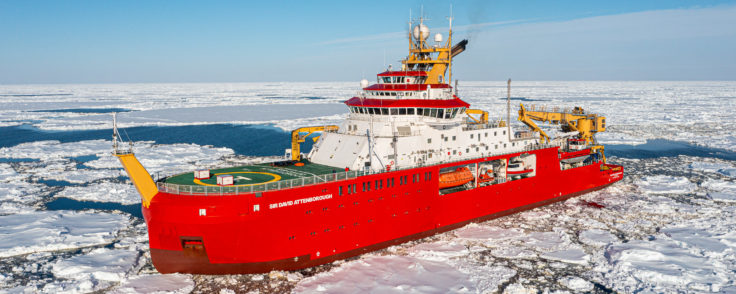
Britain’s new polar research ship, RRS Sir David Attenborough, is centre-stage in a new gallery, ‘Poles Apart’, which opened today at the Royal Museums Greenwich National Maritime Museum. The exhibition […]

A new Data Portal is being launched today by the British Antarctic Survey and the Government of South Georgia and the South Sandwich Islands (GSGSSI), which will help to enhance the management of one of the world’s largest Marine Protected Areas (MPAs).
A new map of the seafloor of the Southern Ocean surrounding Antarctica provides the most accurate representation of this vast area to date. An international team of scientists, including several […]
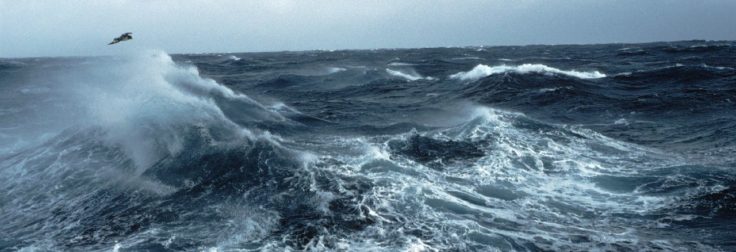
A new dataset featuring hundreds of satellite images of whales has been published to support the development of artificial intelligence systems which will aid crucial conservation work.
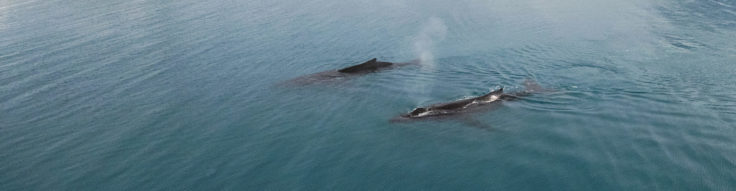
The British Antarctic Survey (BAS) field season has finished for another year. RRS Sir David Attenborough departed Rothera Research Station for the final time earlier in May and is […]
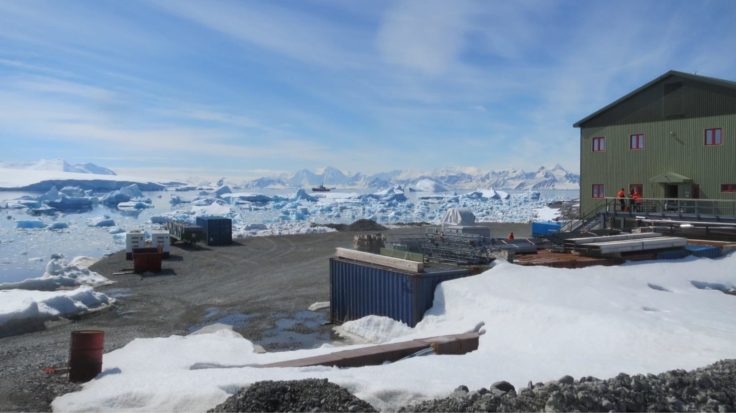
A new report published today (Tuesday 24 May) sends a strong message to countries responsible for Antarctic governance meeting this week in Berlin, that there’s a need for urgent action on minimising climate change impacts in Antarctica and their far-reaching global consequences.
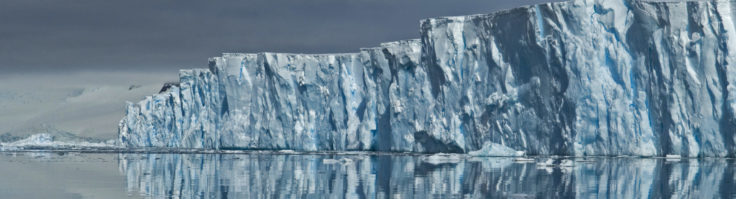
The latest British Antarctic Survey (BAS) Antarctic Digital Database (ADD) data will be included in a world leading collection of geographic information.
Trinity House Merchant Navy Cadets are joining Britain’s new polar research vessel RRS Sir David Attenborough. Three Cadets will be joining the vessel in the Falkland Islands this week for […]