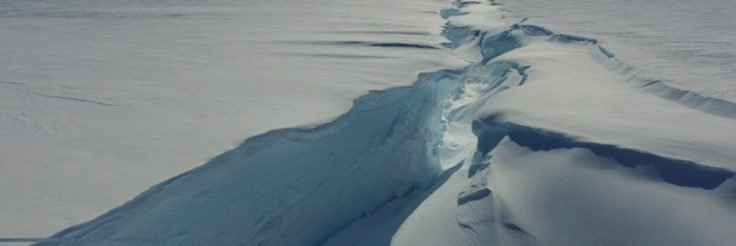
First confirmed cases of Avian Influenza in the Antarctic region
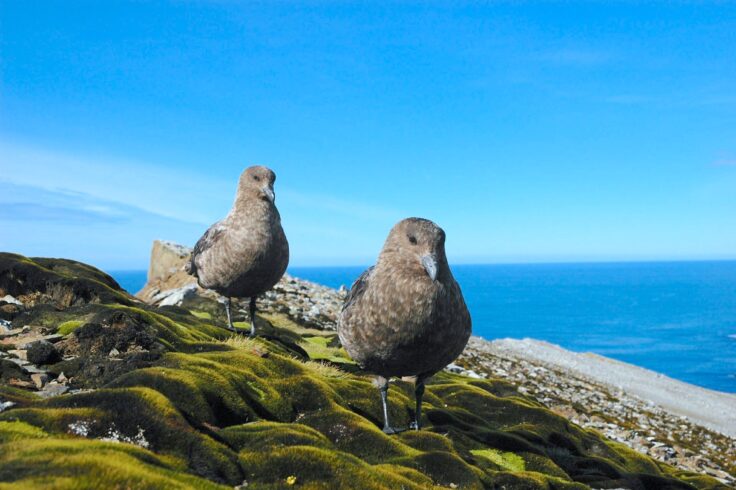
Highly Pathogenic Avian Influenza (HPAI) has been confirmed in brown skua populations on Bird Island, South Georgia – the first known cases in the Antarctic region.

193 to 204 of 1414 results
Highly Pathogenic Avian Influenza (HPAI) has been confirmed in brown skua populations on Bird Island, South Georgia – the first known cases in the Antarctic region.
The West Antarctic Ice Sheet will continue to increase its rate of melting over the rest of the century, no matter how much we reduce fossil fuel use, according to British Antarctic Survey (BAS) research published this week in the journal Nature Climate Change.
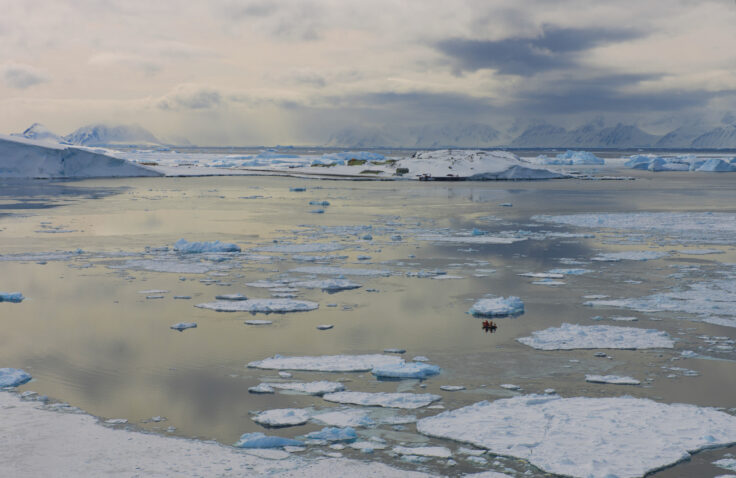
The Antarctic field season has started, with over 600 people beginning the journey South to work on over 60 projects on station and in the field.
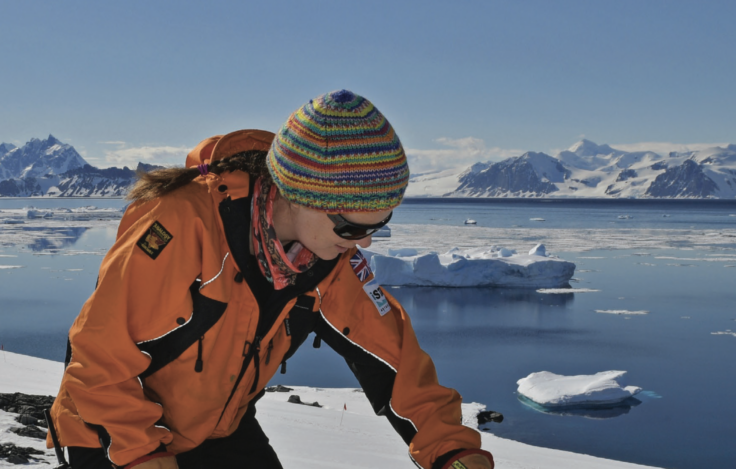
More than 200 scientists, including several from British Antarctic Survey (BAS), from 19 countries have released the first comprehensive assessment of trends in Southern Ocean ecosystems, in a report written specifically for policy makers.
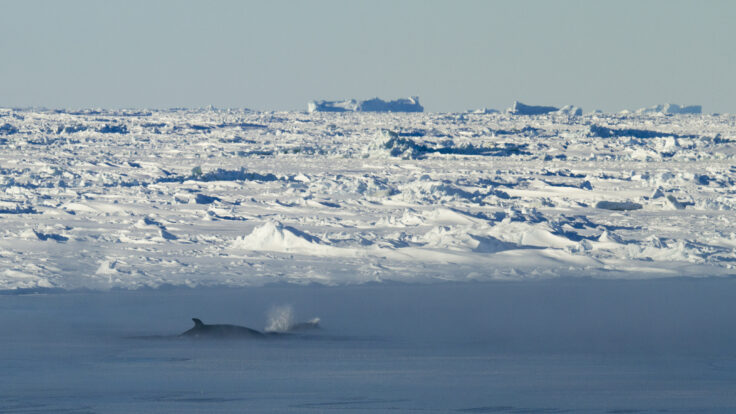
The shortlist has been announced for The Natural Environment Research Council’s (NERC) Impact Awards 2023. Four BAS projects have made the shortlist and commended list, ranging from biodiversity and ecology to space weather.
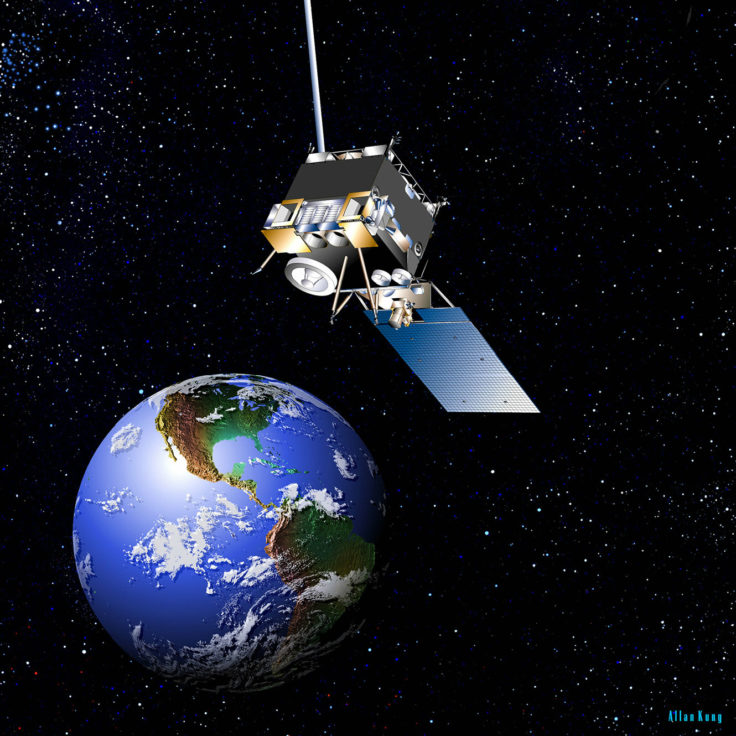
Congratulations to our Estates and Facilities Team who have won the Institute of Workplace and Facilities Management’s (IFWM) Impact Awards 2023 under the “Team of the Year: Public Sector” category.
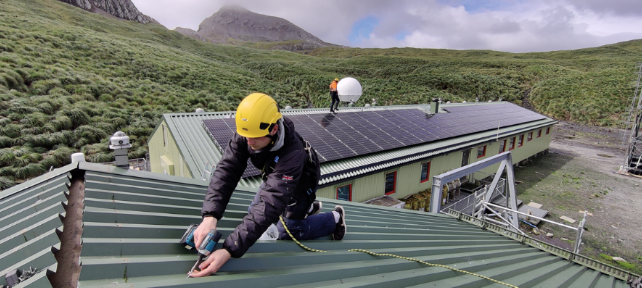
Antarctic fur seals that were hunted to near extinction have recovered but now face dangerous decline because of a lack of food, new research suggests.
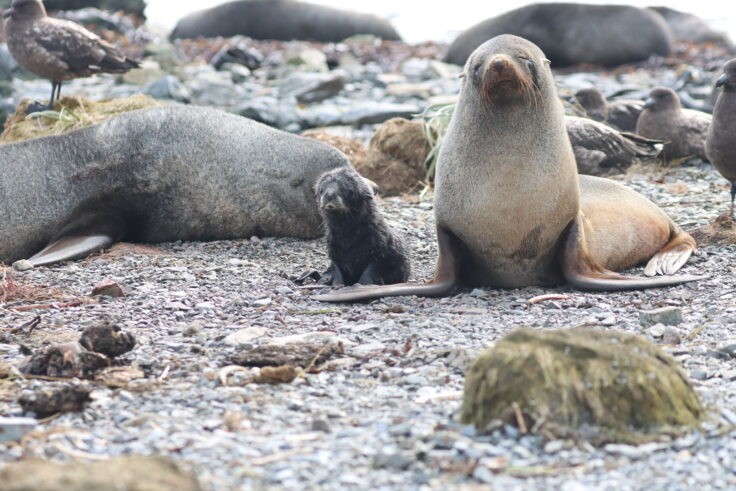
British Antarctic Survey glaciologist Hamish Pritchard has won the 2023 Harry Otten Prize for Innovation in Meteorology.
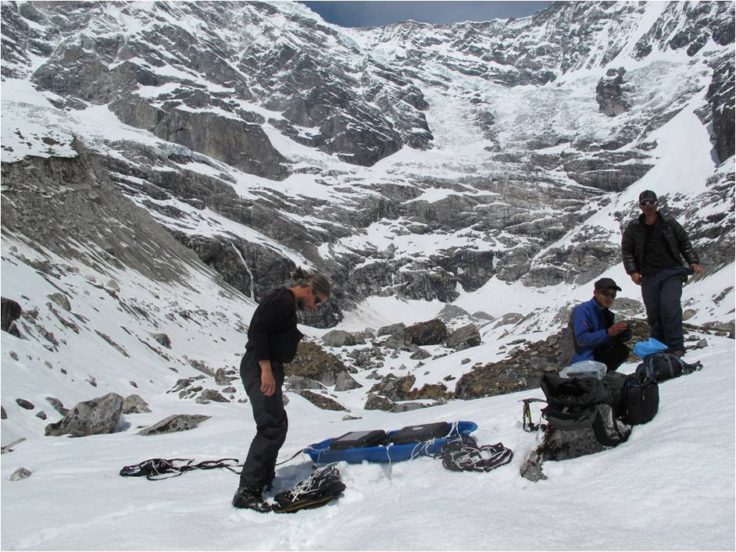
New measurements of how the boundary between onshore glacier and floating ice shelf glides back-and- forth could help predict melting
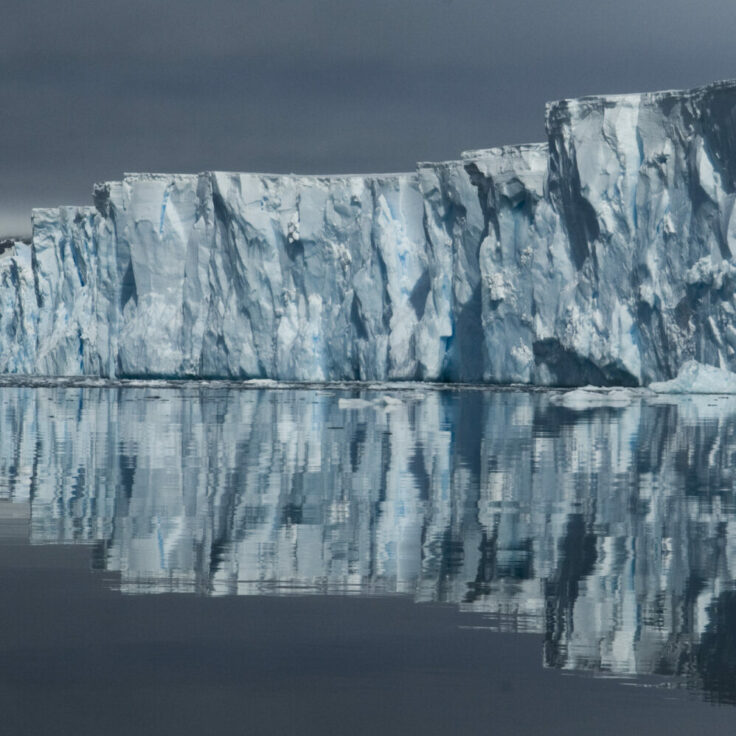
British Antarctic Survey scientists are called up for their expertise this season, in a series of documentaries on radio and television.

The melting of the supergiant iceberg A-68 had a huge impact on the ocean around South Georgia, in sub-Antarctica, and significantly changed the Southern Ocean’s temperature and saltiness, with potentially major consequences for this ecologically significant region.
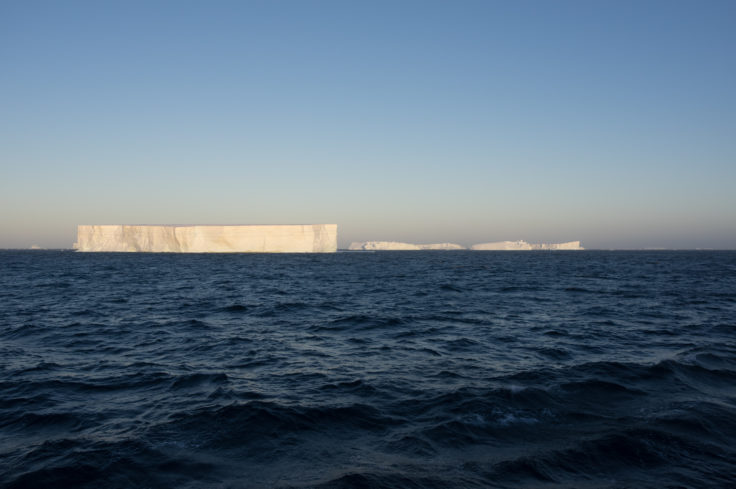
Following the calving of the A-81 iceberg at the end of January 2023, the Brunt Ice Shelf is moving faster than before. It is currently moving approximately 4 metres a day towards the sea, whereas before the calving it moved at an average of between 1-2.5 metres a day.