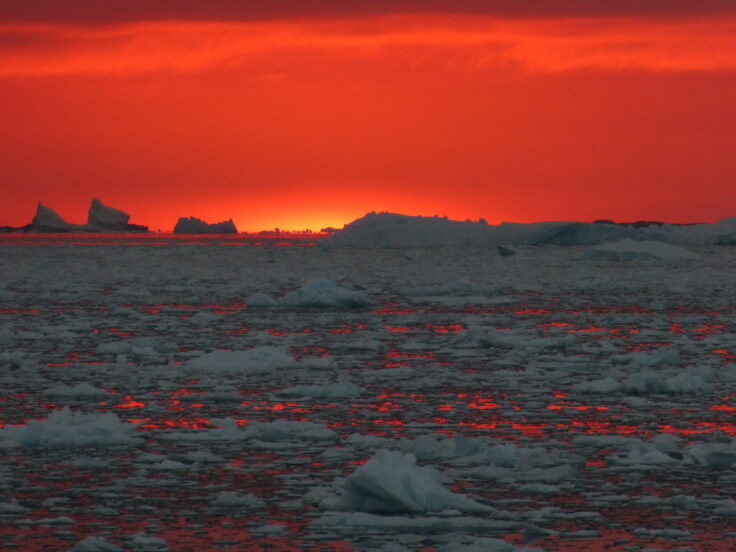
Scientists count penguins on remote sub-Antarctic island
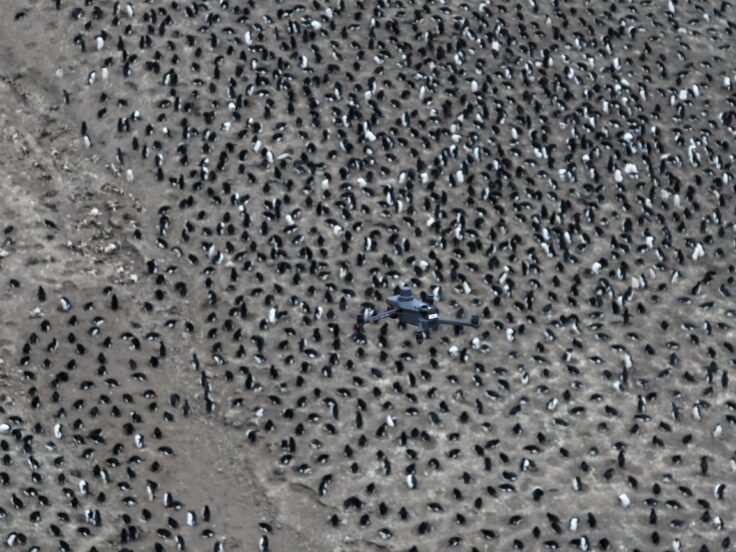
Researchers from British Antarctic Survey (BAS) have carried out aerial surveys of the remote volcanic Zavodovski Island in the sub-Antarctic to count the largest penguin colony in the world.

169 to 180 of 1414 results
Researchers from British Antarctic Survey (BAS) have carried out aerial surveys of the remote volcanic Zavodovski Island in the sub-Antarctic to count the largest penguin colony in the world.
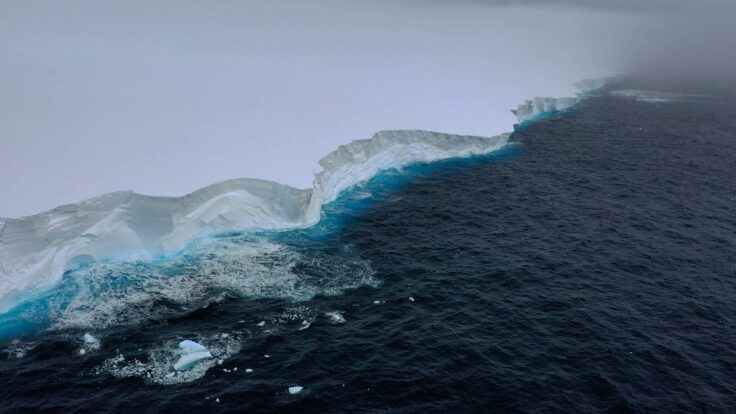
Scientists at British Antarctic Survey are using satellite images to track the colossal iceberg A23a.
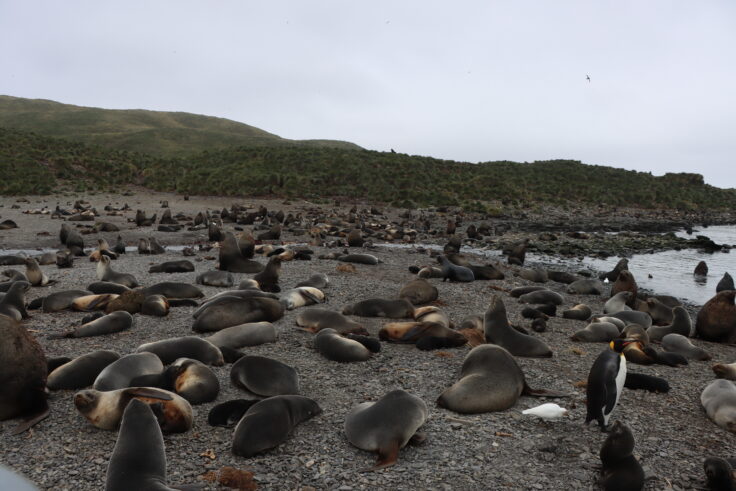
Testing for Highly Pathogenic Avian Influenza (HPAI) continues on the subantarctic island of South Georgia since it was detected in October 2023. The latest results from samples taken from the islands reveal that the disease has now been detected in elephant and fur seals.
Scientists have identified the intricate meteorological drivers that led to an intense heatwave across East Antarctica in from 15-19 March 2022.
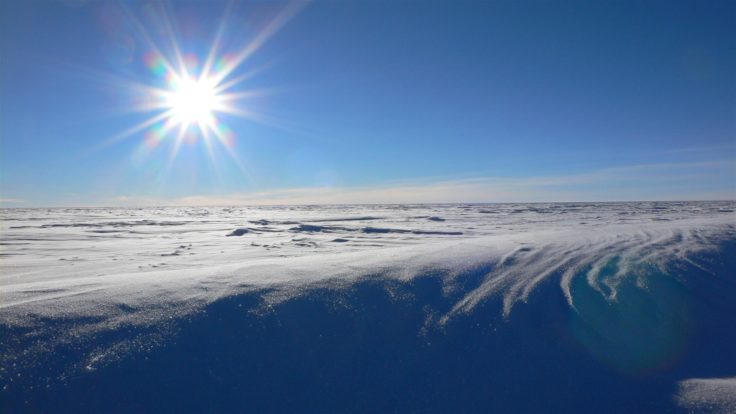
Congratulations to British Antarctic Survey (BAS) staff who have been awarded a Polar Medal in the 2024 New Year’s Honours List for their contributions to improving our understanding of Antarctica and enduring harsh Antarctic conditions.

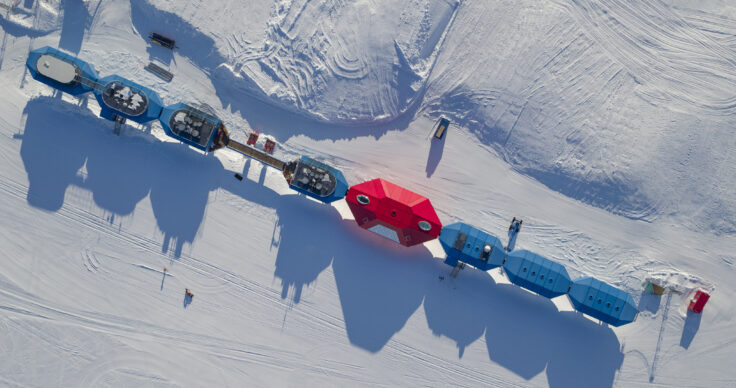
A team of scientists from the British Antarctic Survey (BAS) is gearing up for an expedition to the Brunt Ice Shelf in Antarctica to unravel the mysteries behind the calving processes that result in the formation of colossal icebergs.
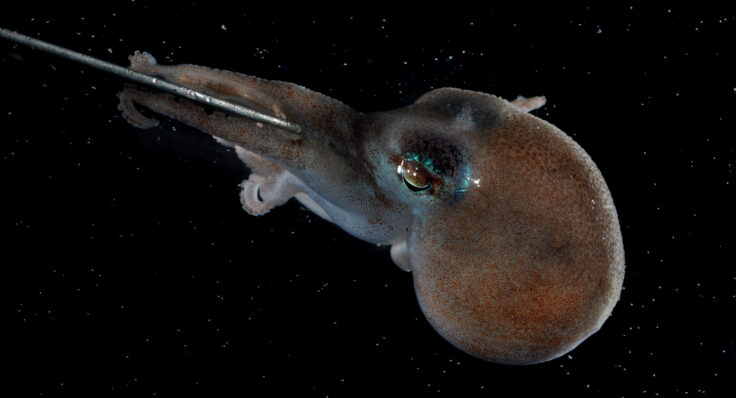
Scientists, including from British Antarctic Survey, have used octopus DNA to discover that the West Antarctic Ice Sheet (WAIS) likely collapsed during the Last Interglacial period around 120,000 years ago – when the global temperatures were similar to today.
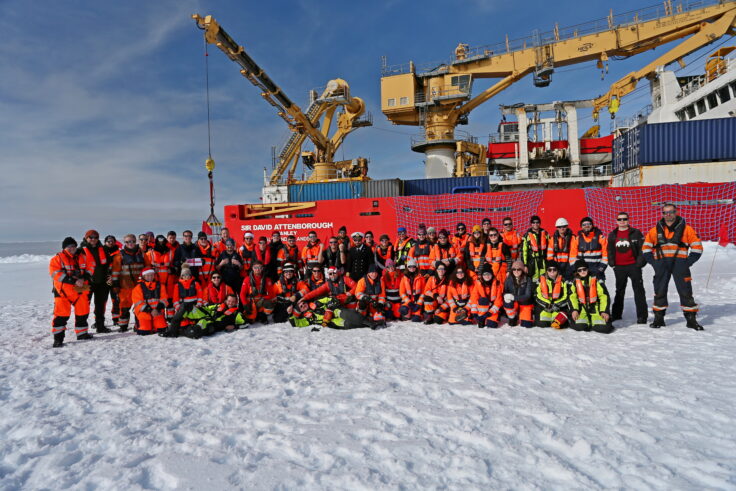
Colleagues at British Antarctic Survey’s five research stations and on board the RRS Sir David Attenborough are currently preparing for a unique festive season in Antarctica, with nearly 24 hours of sunlight, and snow almost guaranteed on the frozen continent.
A special issue of the journal Oceanography has shone a spotlight on the collaborative FindAScienceBerth project, inspiring people and institutions to make positive change towards increasing diversity.
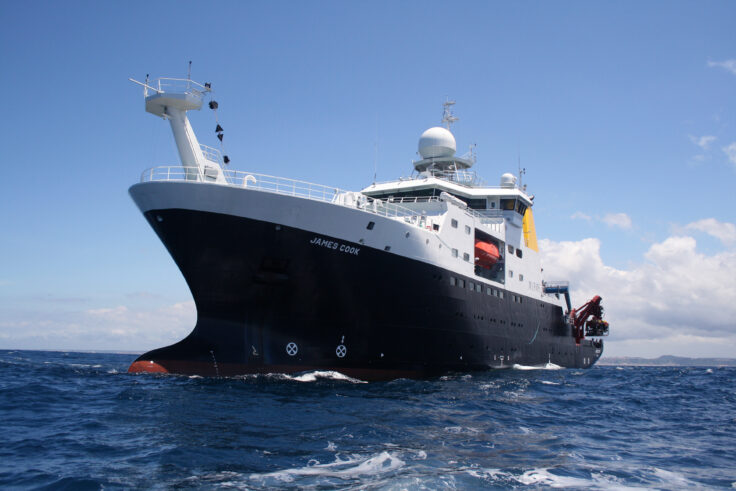
Thirty seven scientists and over 24 support staff are arriving in Antarctica to work on Thwaites Glacier.
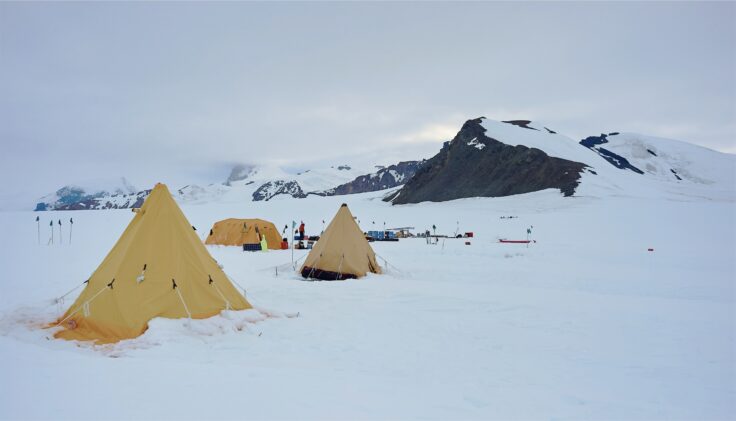
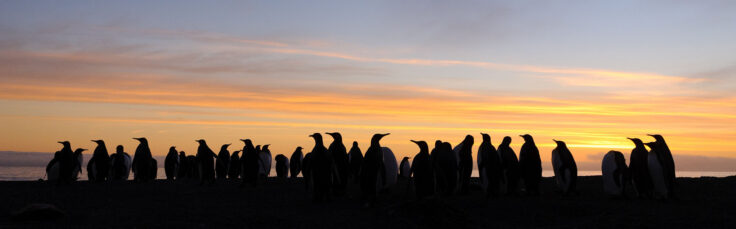
The Royal Society Publishing Photography Competition celebrates the power of photography in capturing scientific phenomena happening all around us, and the role great images play in making science accessible to a wide audience.