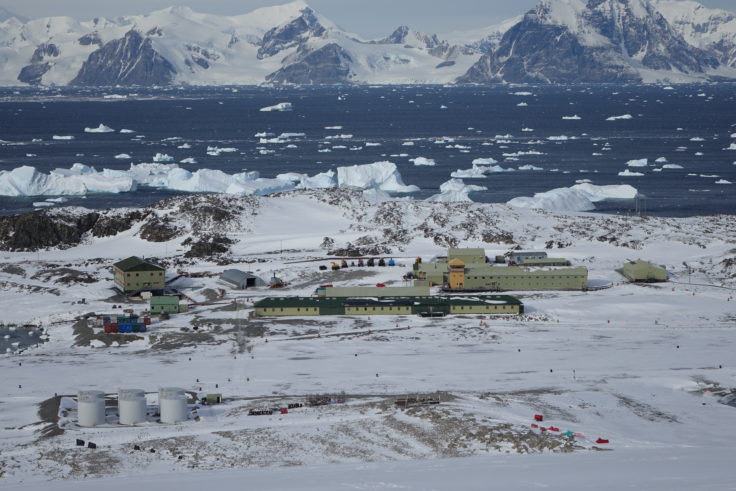
New field season begins
As spring returns to the southern hemisphere British Antarctic Survey (BAS) has started another research season which will take them over land, sea and ice in search of answers to […]
181 to 192 of 372 results
As spring returns to the southern hemisphere British Antarctic Survey (BAS) has started another research season which will take them over land, sea and ice in search of answers to […]
New study reveals when West Antarctica’s largest glacier started retreating Reporting this week (Wednesday 23 November) in the journal Nature an international team led by British Antarctic Survey (BAS) explains […]
First phase of project to collect 1.5 million years of climate data in Antarctica A team of European scientists heads to East Antarctica this month to locate the oldest ice […]
A forty year study on a remote Antarctic island shows that while populations of two penguin species are declining, a third is increasing. Analysis of census data from Signy Island […]
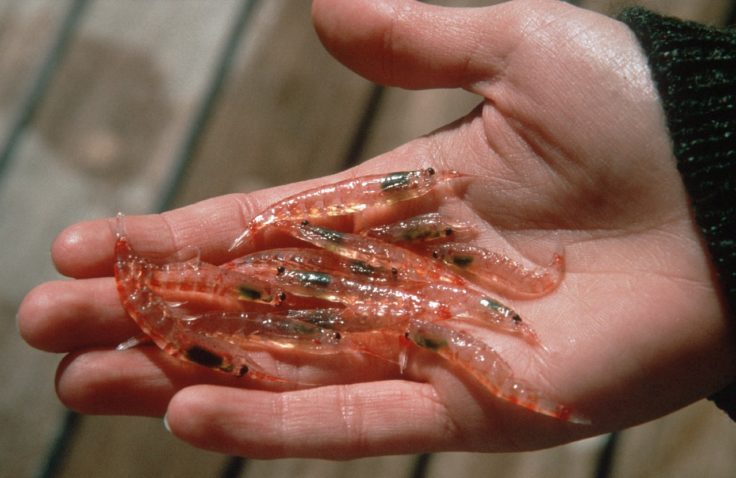
Scientists have discovered that Antarctic krill – a tiny shrimp-like crustacean – plays a key role in fertilising the Southern Ocean with iron, which stimulates the growth of phytoplankton, the […]
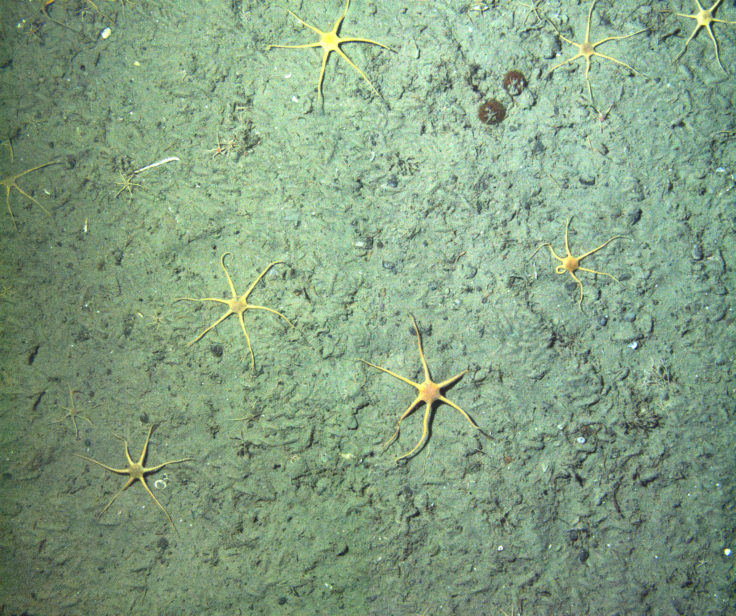
A new marine biodiversity study in one of the largest Marine Protected Areas in the world reveals the impact of environmental change on subantarctic seabed animals and answers big questions […]
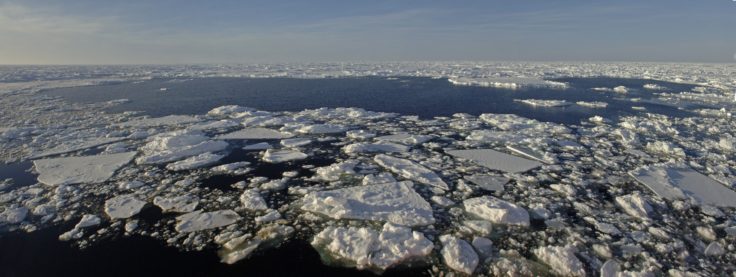
A team of British climate scientists comparing today’s environment with the warm period before the last ice age has discovered a 65% reduction of Antarctic sea ice around 128,000 years […]
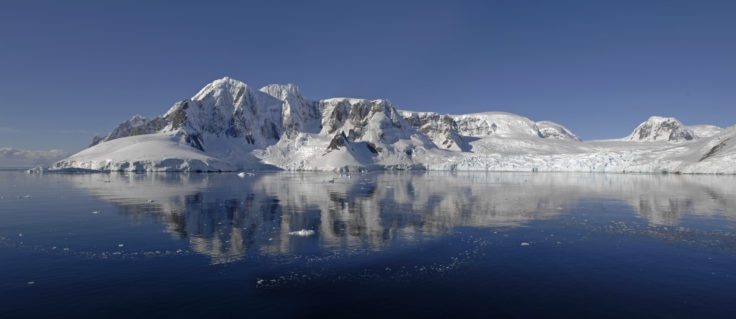
The rapid warming of the Antarctic Peninsula, which occurred from the early-1950s to the late 1990s, has paused. Stabilisation of the ozone hole along with natural climate variability were significant in bringing about the change. Together these influences have now caused the northern part of the peninsula to enter a temporary cooling phase. Temperatures remain higher than measured during the middle of the 20th Century and glacial retreat is still taking place. However, scientists predict that if greenhouse gas concentrations continue to rise at the current rate, temperatures will increase across the Antarctic Peninsula by several degrees Centigrade by the end of this century.
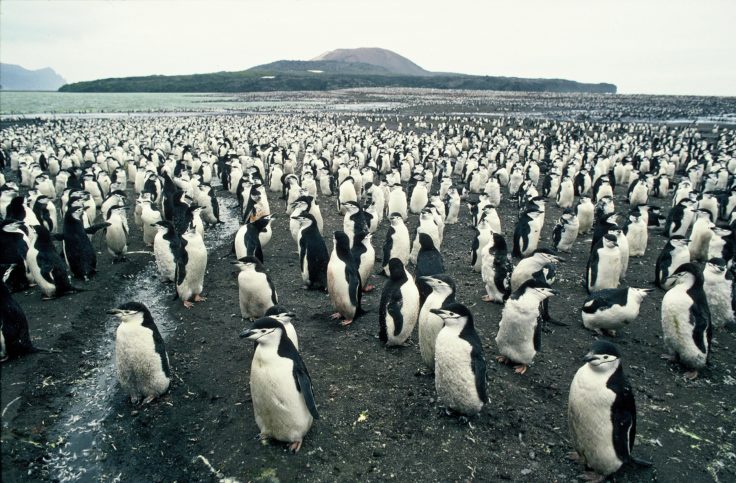
A volcano erupting on a small island in the Sub Antarctic is depositing ash over one of the world’s largest penguin colonies.
Levels of the greenhouse gas carbon dioxide (CO2) in the atmosphere – which is the leading driver of recent climate change – have reached a milestone at British Antarctic Survey’s […]
UK’s £200m Polar Research Ship to be named after Sir David Attenborough, days before the broadcaster’s 90th birthday “Boaty McBoatface” to live on as the name of the ship’s high-tech […]
Opportunity to partner with BAS to deliver a construction programme to modernise UK Antarctic and other research facilities.