Nature’s ocean fertiliser
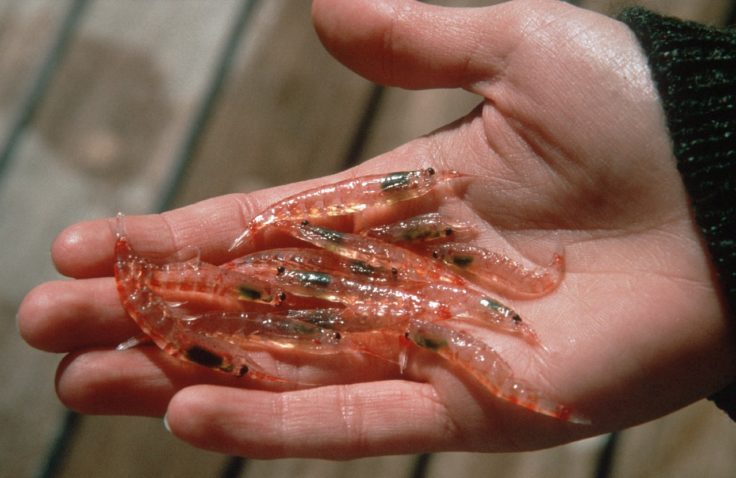
Scientists have discovered that Antarctic krill – a tiny shrimp-like crustacean – plays a key role in fertilising the Southern Ocean with iron, which stimulates the growth of phytoplankton, the […]

181 to 192 of 368 results
Scientists have discovered that Antarctic krill – a tiny shrimp-like crustacean – plays a key role in fertilising the Southern Ocean with iron, which stimulates the growth of phytoplankton, the […]
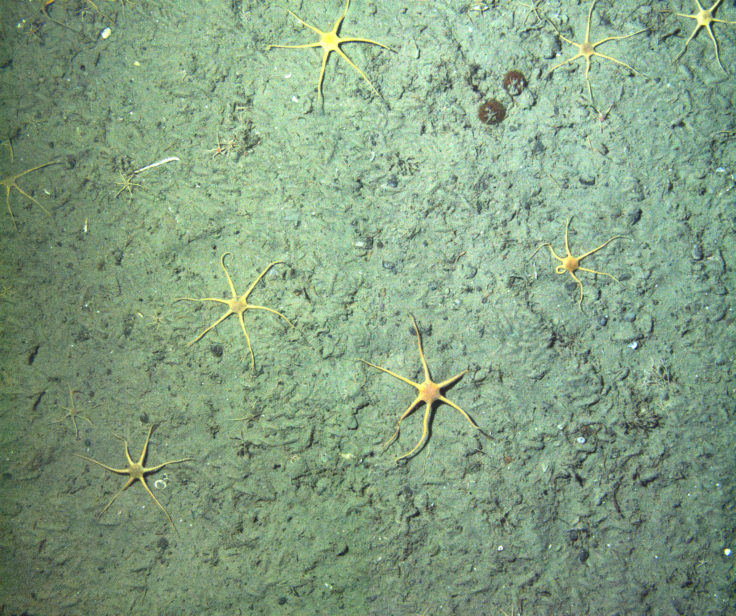
A new marine biodiversity study in one of the largest Marine Protected Areas in the world reveals the impact of environmental change on subantarctic seabed animals and answers big questions […]
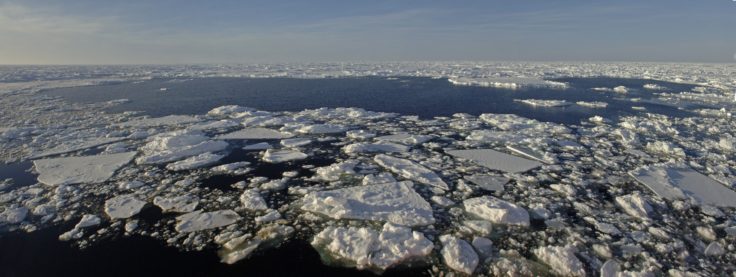
A team of British climate scientists comparing today’s environment with the warm period before the last ice age has discovered a 65% reduction of Antarctic sea ice around 128,000 years […]
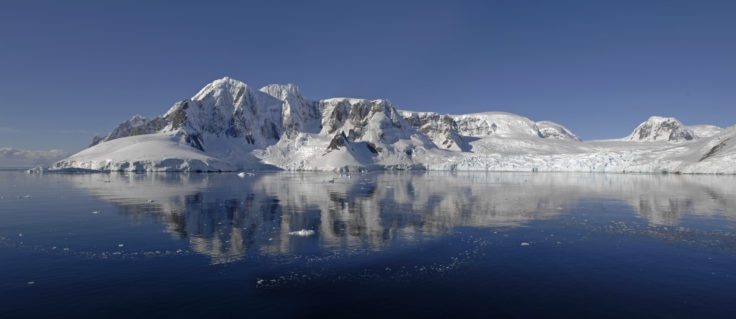
The rapid warming of the Antarctic Peninsula, which occurred from the early-1950s to the late 1990s, has paused. Stabilisation of the ozone hole along with natural climate variability were significant in bringing about the change. Together these influences have now caused the northern part of the peninsula to enter a temporary cooling phase. Temperatures remain higher than measured during the middle of the 20th Century and glacial retreat is still taking place. However, scientists predict that if greenhouse gas concentrations continue to rise at the current rate, temperatures will increase across the Antarctic Peninsula by several degrees Centigrade by the end of this century.
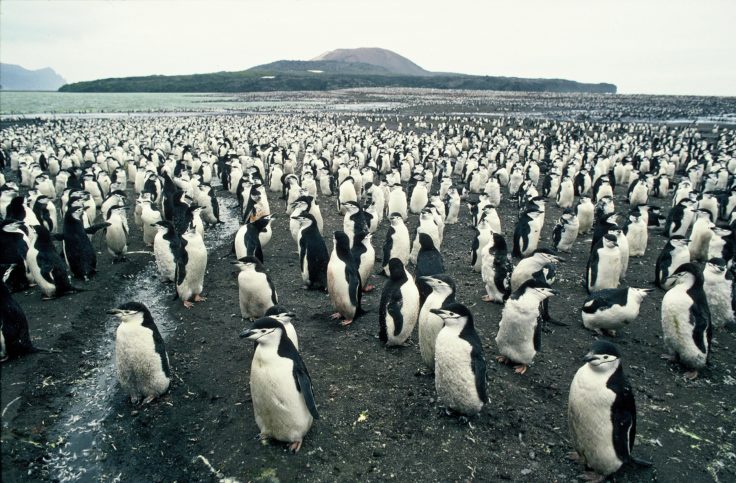
A volcano erupting on a small island in the Sub Antarctic is depositing ash over one of the world’s largest penguin colonies.
Levels of the greenhouse gas carbon dioxide (CO2) in the atmosphere – which is the leading driver of recent climate change – have reached a milestone at British Antarctic Survey’s […]
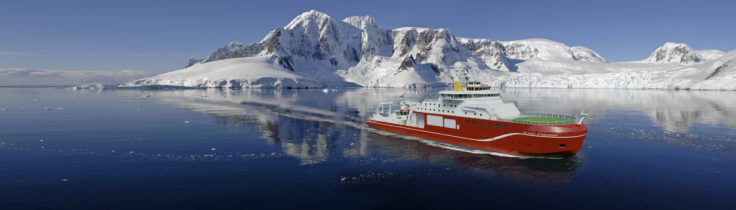
UK’s £200m Polar Research Ship to be named after Sir David Attenborough, days before the broadcaster’s 90th birthday “Boaty McBoatface” to live on as the name of the ship’s high-tech […]
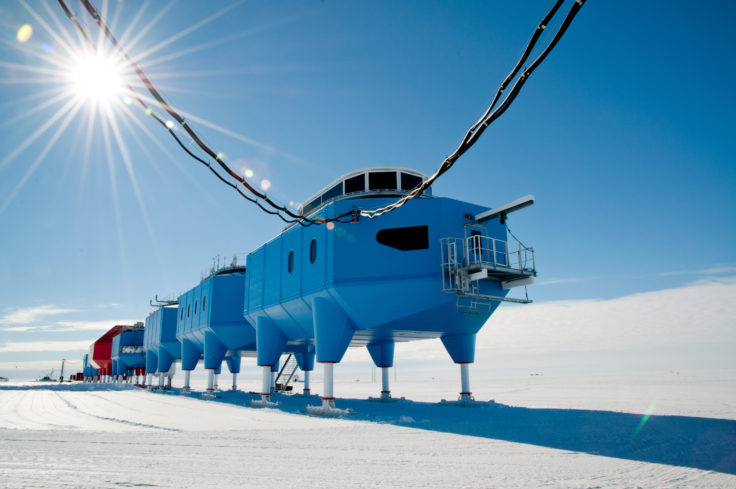
Opportunity to partner with BAS to deliver a construction programme to modernise UK Antarctic and other research facilities.
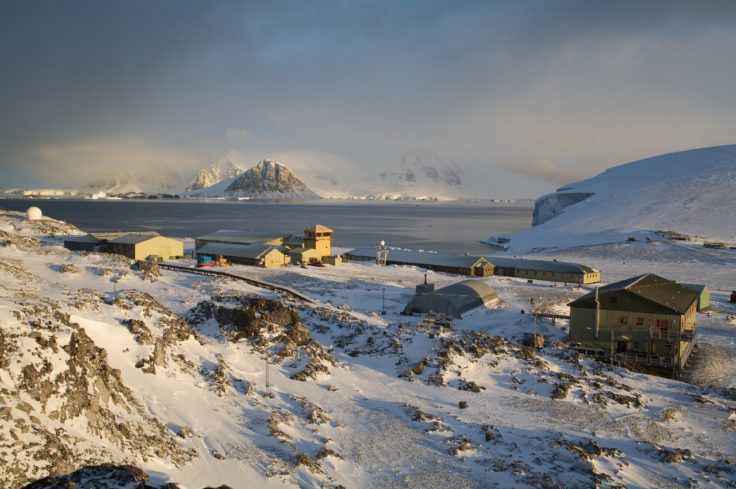
British Antarctic Survey (BAS) is recruiting now. The smooth operation and maintenance of our research stations depends on skilled technical support teams. Check out our latest vacancies!
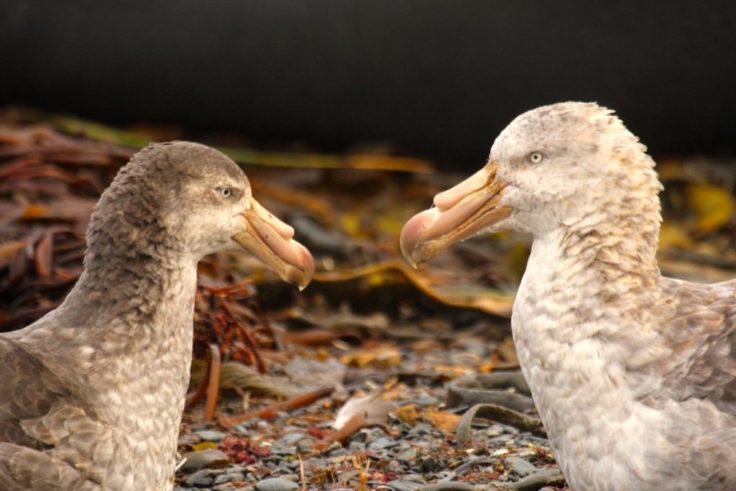
New research shows decline in population and breeding success of Antarctic seabird A fifty year study of the charismatic seabird, the southern giant petrel, on the Antarctic island of Signy […]
BAS Organises Side Event for 2015 Paris Climate Conference (COP21) Journalists wishing to arrange interviews with keynote speakers from this session should contact Heather Martin. As world attention focuses on […]
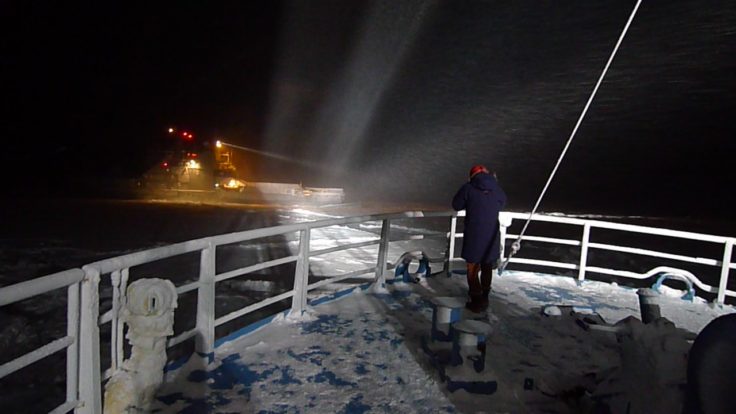
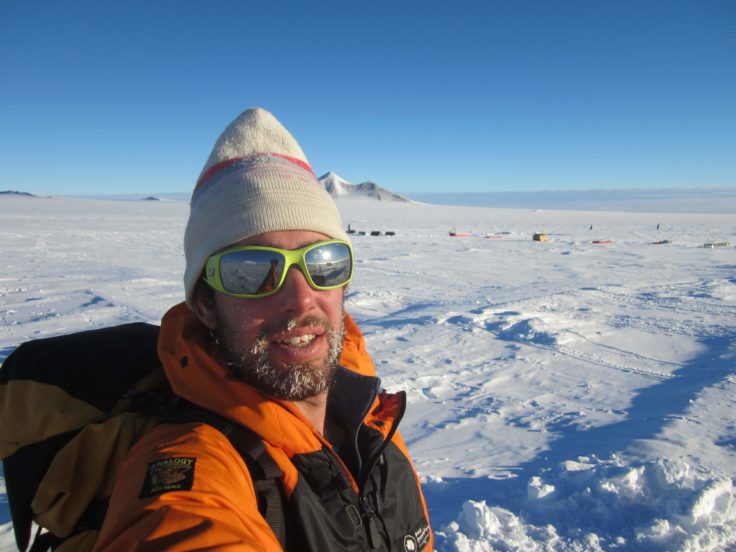
New season tackles ambitious science and logistical challenges The British Antarctic Survey (BAS) 2015/16 field season is underway with dozens of scientists and support staff – together with planes and tonnes […]