Antarctic expedition to study krill stocks
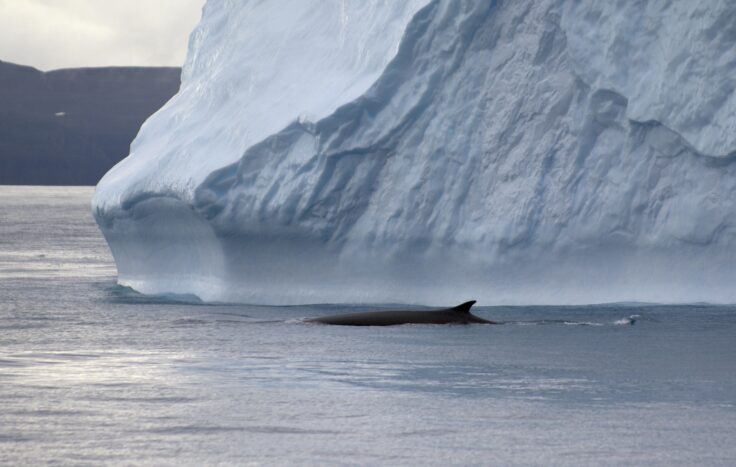
An expedition to study Antarctic krill and the baleen whales that feed upon them is underway in the Antarctic Peninsula.

85 to 96 of 933 results
An expedition to study Antarctic krill and the baleen whales that feed upon them is underway in the Antarctic Peninsula.
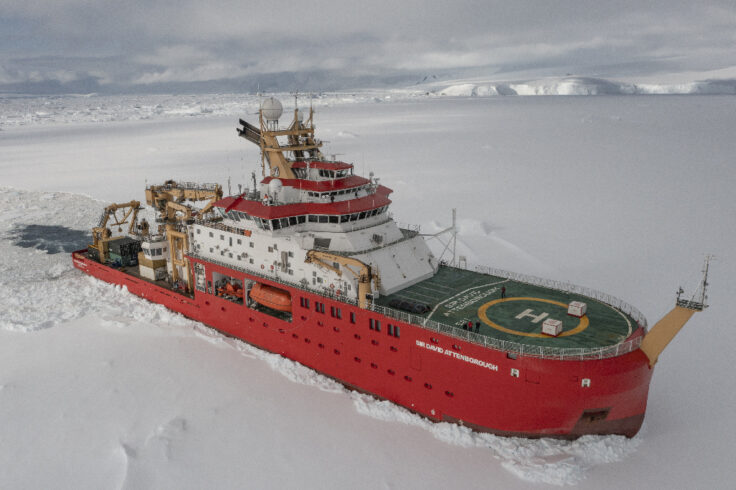
Scientists are invited to apply to conduct research on the British Antarctic Survey research vessel RRS Sir David Attenborough in May-June 2025.
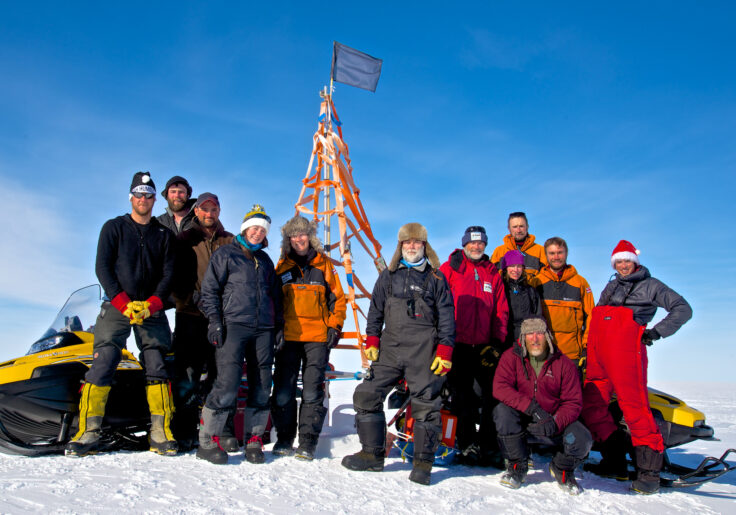
British Antarctic Survey (BAS) is looking for new recruits to work at its research stations in Antarctica; a job that offers an opportunity of a lifetime.
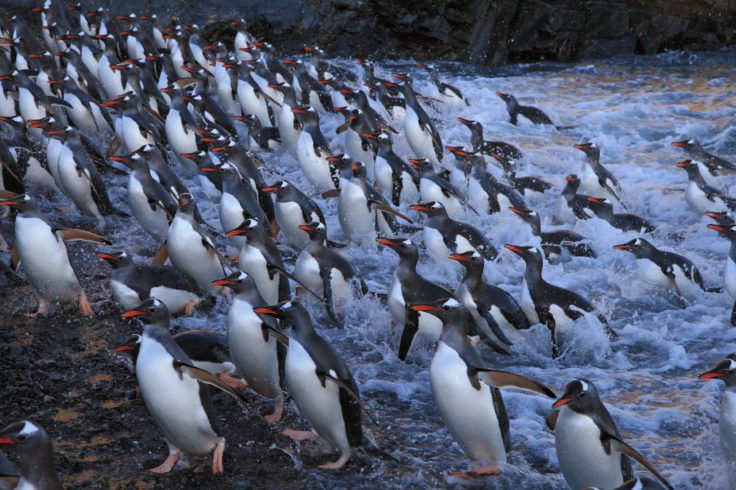
Penguins on the sub-Antarctic Islands of South Georgia have tested positive for Avian flu. This is the first time the virus has been detected in gentoo and king penguin populations on the islands.
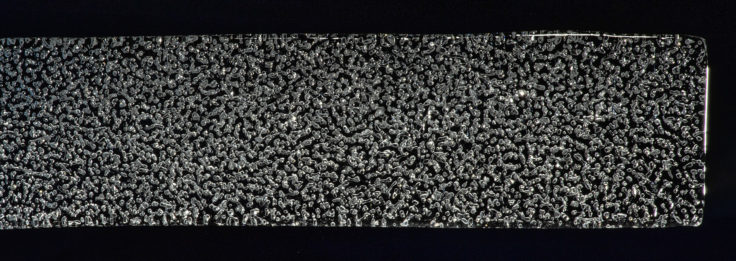
Small bubbles of air from ice in Antarctica resolve a long-standing debate about why there was a decline in atmospheric carbon dioxide (CO2) during the 16th and 17th centuries.
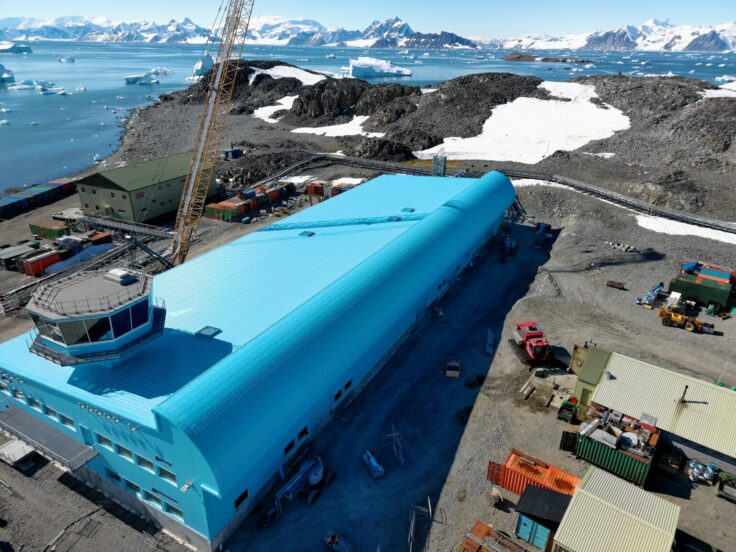
Construction in the Antarctic is challenging and the Antarctic Infrastructure Modernisation Programme (AIMP) has made great progress at Rothera Research Station. The programme will transform how the British Antarctic Survey enables and supports polar science.
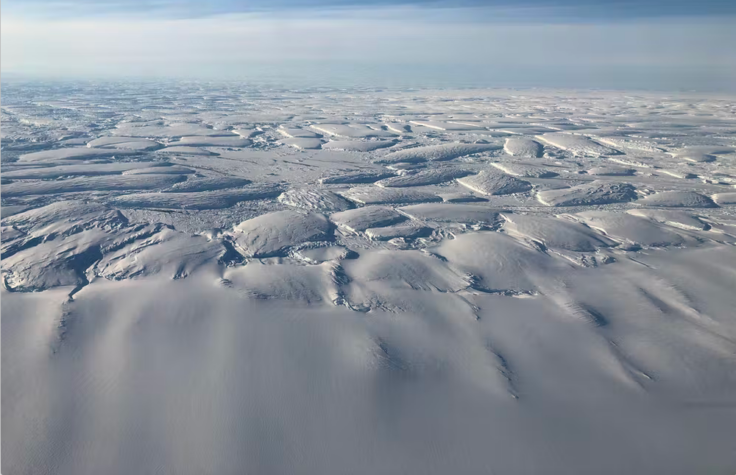
A new study, involving researchers from British Antarctic Survey, has found that significant thinning and retreat of the vast Thwaites Glacier began in the 1940s.
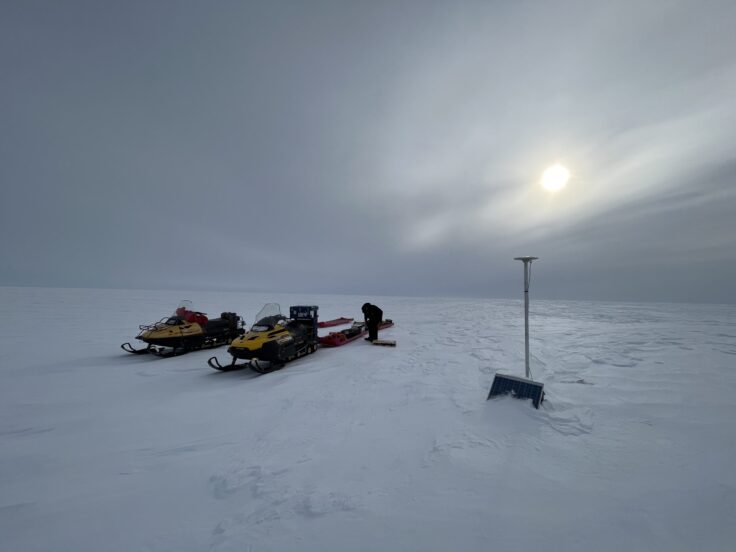
The final field season of the ambitious, international effort to understand Antarctica’s giant Thwaites Glacier is complete.
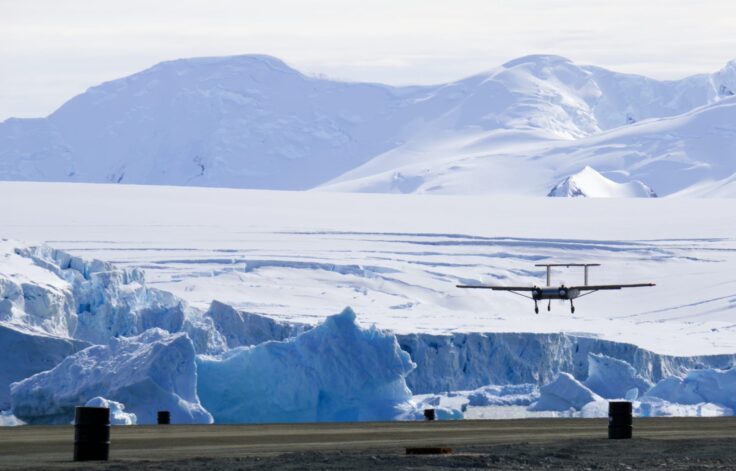
A team testing the Windracers ULTRA drone in Antarctica has shared the first video footage of the aircraft flying autonomously over British Antarctic Survey’s (BAS) Rothera Research Station and its nearby islands.
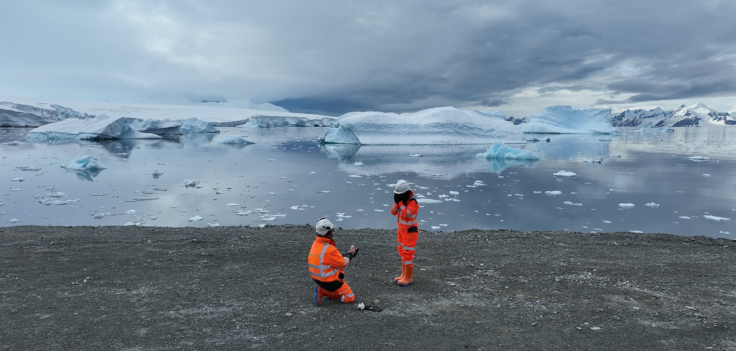
Engineers Tania Alvarez and Jose Valverde have celebrated their engagement at one of the world’s southmost locations, British Antarctic Survey’s Rothera Research Station on the Antarctic peninsula.
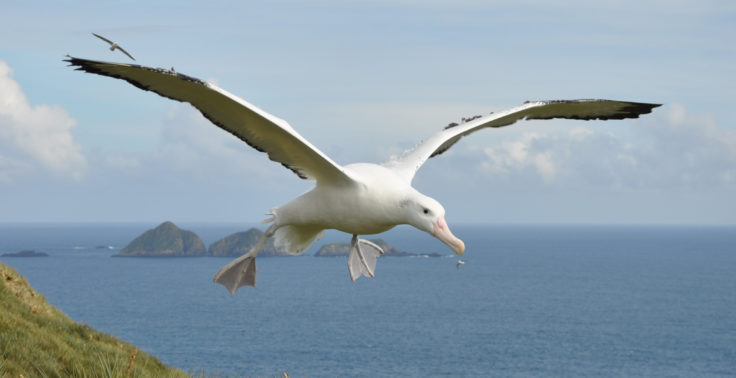
Highly Pathogenic Avian Influenza (HPAI) continues to affect the wildlife on the subantarctic islands of South Georgia. The latest results from samples taken from the islands reveal that the disease has now been detected in the wandering albatross.
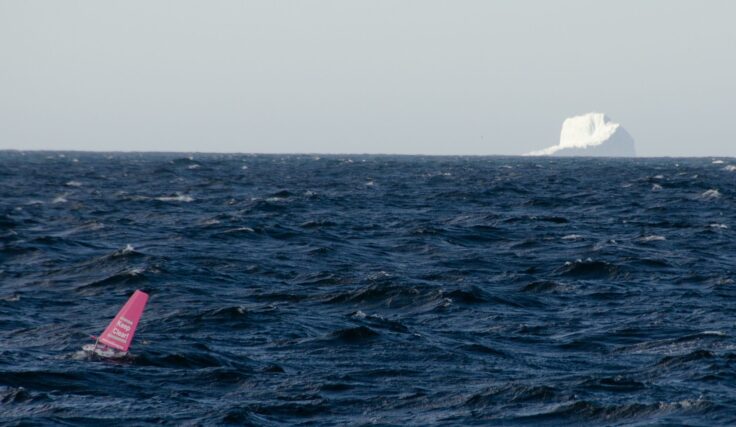
Scientists studying krill in the sub-Antarctic have successfully completed a three-day mission using a Sailbuoy uncrewed surface vessel (USV). This mission marks the first Maritime and Coastguard Agency (MCA) approved deployment of a USV for science around South Georgia.