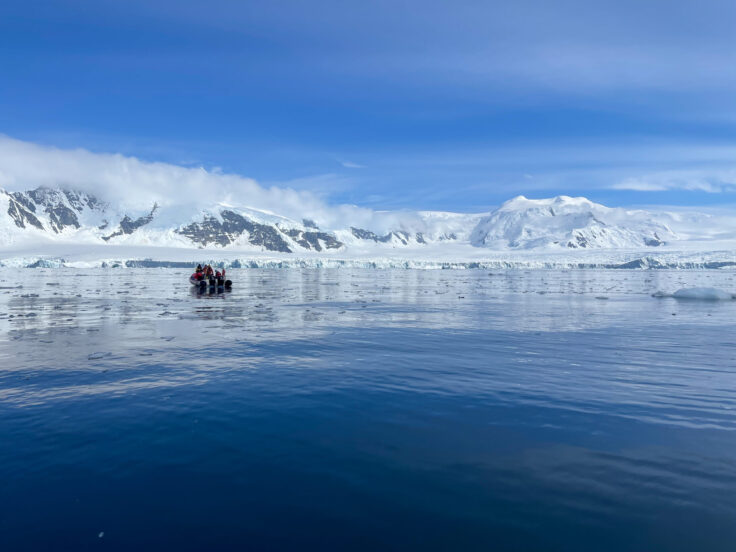
27 March 2026: Postcard from Rothera Research Station
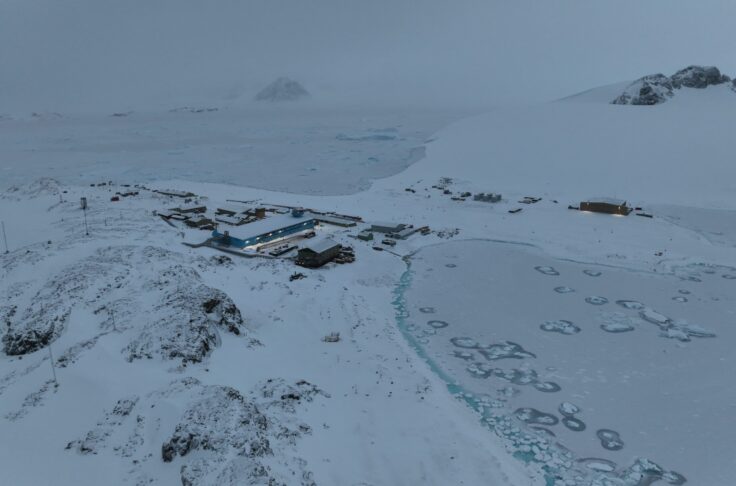
Welcome to the latest postcard from Rothera Research Station. Work is continuing at pace as the season heads towards its close. Here’s a look at what’s been happening on site through March.

1 to 12 of 1412 results
Welcome to the latest postcard from Rothera Research Station. Work is continuing at pace as the season heads towards its close. Here’s a look at what’s been happening on site through March.
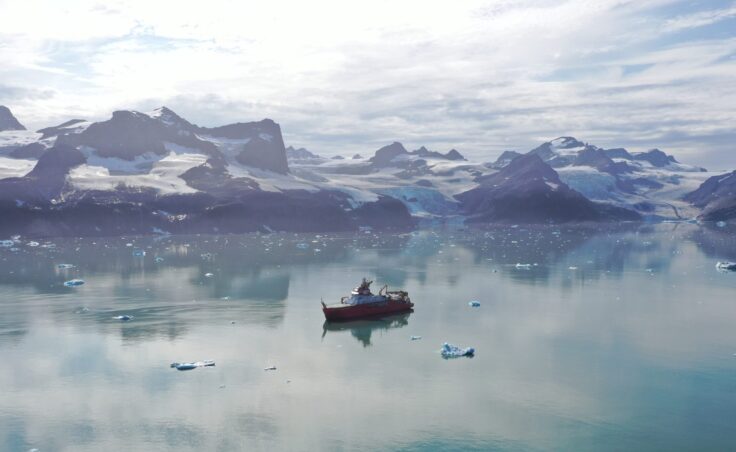
An international team of scientists is heading to Greenland this summer for a two-month expedition to discover how quickly the ice sheet’s rapidly melting glaciers are pushing the Atlantic Ocean towards a critical climate tipping point.
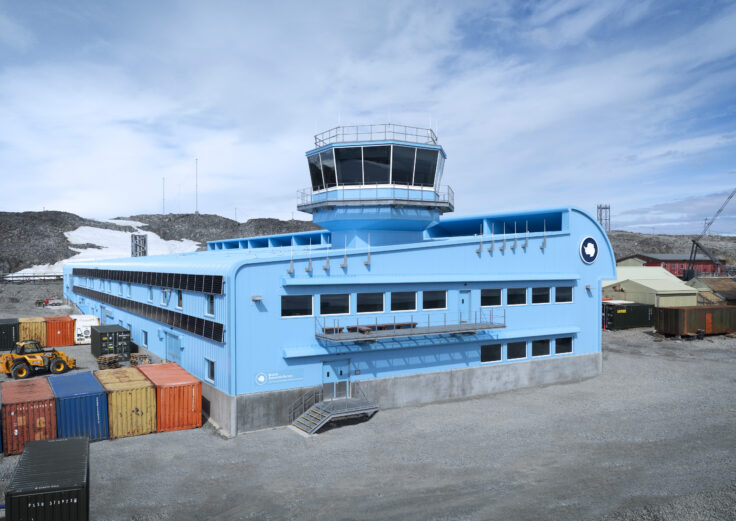
Work continues at pace at Rothera Research Station, Antarctica. More areas of the Discovery building, our new scientific support and operations facility, are now handed over to us as we remove some of the legacy buildings.
A new study concludes that warm ocean water was the primary driver of major West Antarctic Ice Sheet retreat since the end of the last ice age 18,000 years ago.
Scientists studying satellite images of Antarctica have stumbled upon a discovery that sheds new light on emperor penguins – and reveals a troubling threat to their survival.
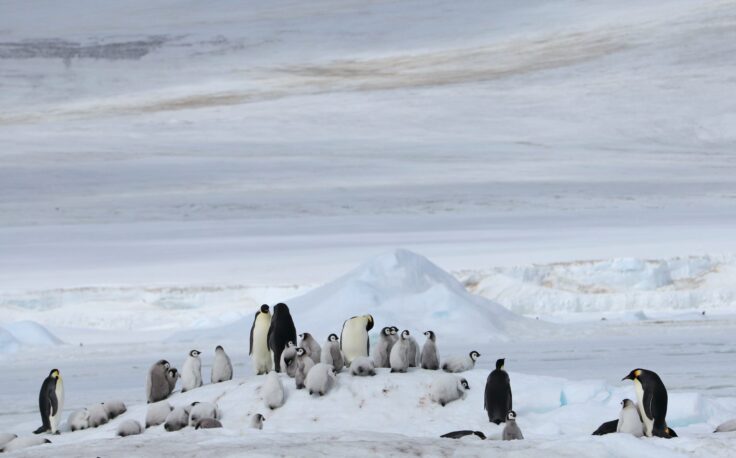
A team of international scientists, including from British Antarctic Survey (BAS), has modelled the best- and worst-case scenarios for the Antarctic Peninsula as the Earth’s climate warms.
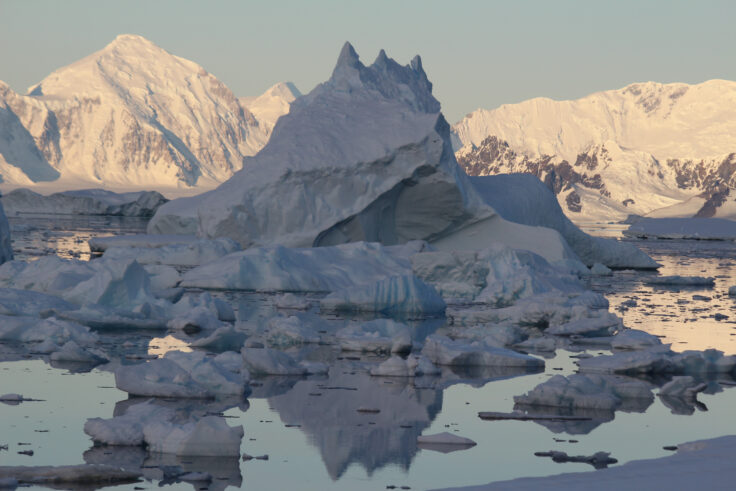
A new study published in Science Advances has overturned a common assumption about earthquake prediction: that major earthquakes follow predictable cycles, and that regions can be ‘overdue’ for the next big one.
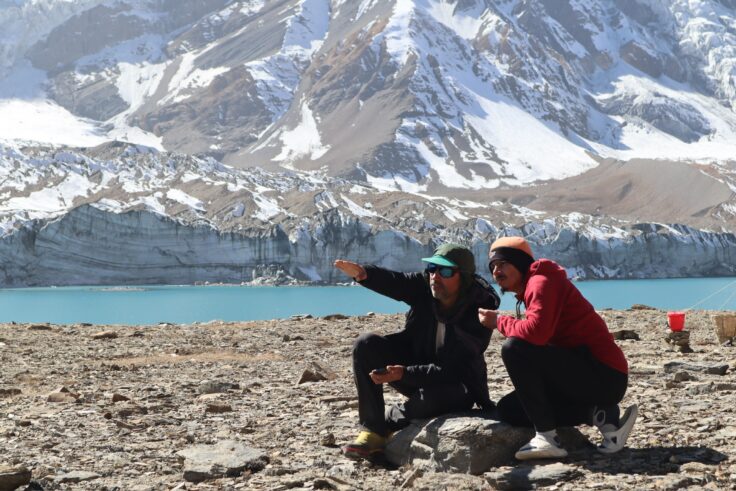
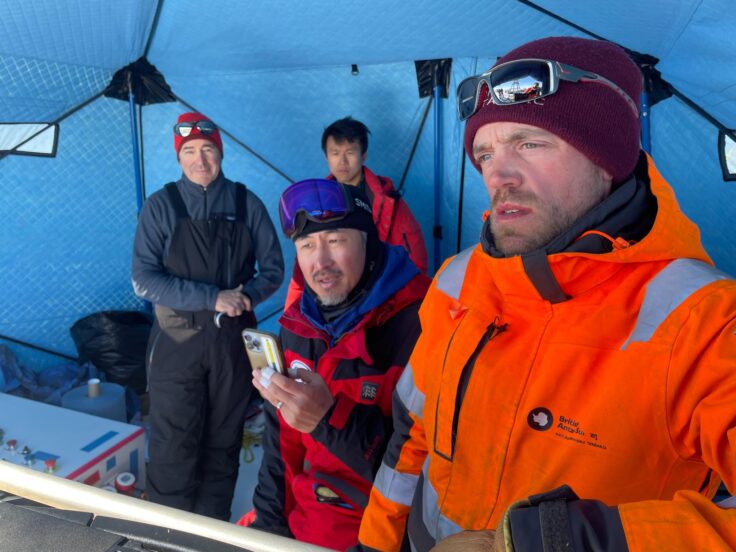
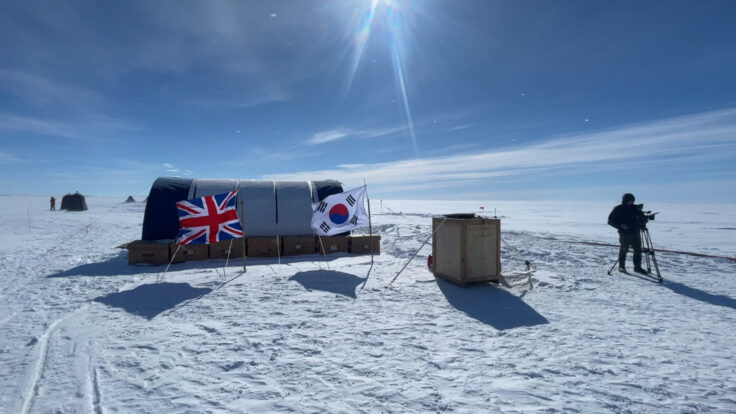
Researchers from British Antarctic Survey (BAS) and South Korea (KOPRI) have concluded a highly ambitious field operation at Thwaites Glacier, West Antarctica.
Welcome to a bumper edition of our postcard update! Rothera Research Station has been a hive of activity since our last postcard with science and operations underway, VIP and […]
A team of researchers from the UK and Korea has reached the most inaccessible and least-understood part of Thwaites Glacier in West Antarctica where they will drill through the glacier to directly observe how warm ocean water is melting it from below.
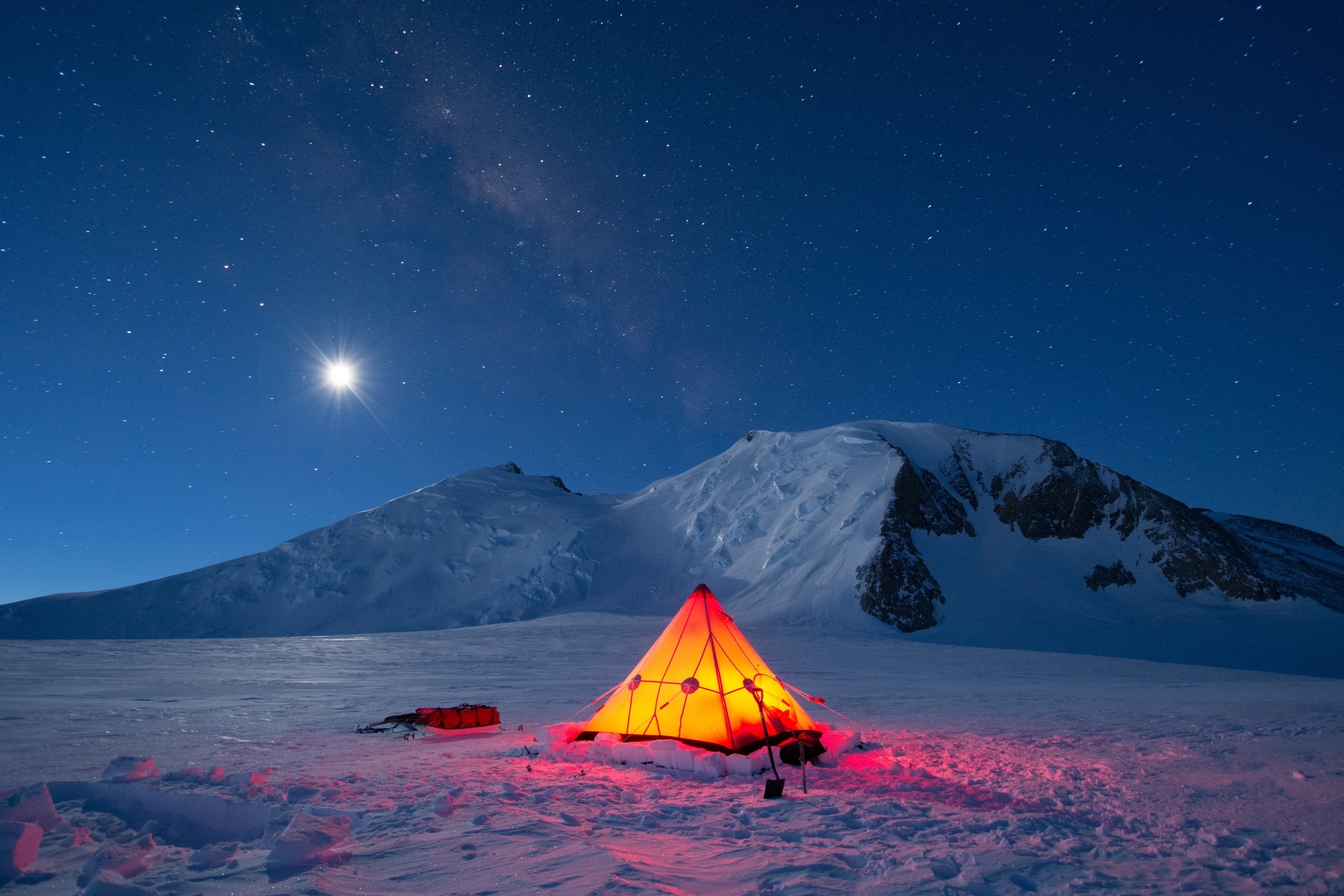
This year, escape the ordinary and apply for the job of a lifetime in Antarctica.
An international team of researchers, led by British Antarctic Survey (BAS), is setting out to discover how glacier calving around Antarctica can trigger powerful underwater tsunamis.