
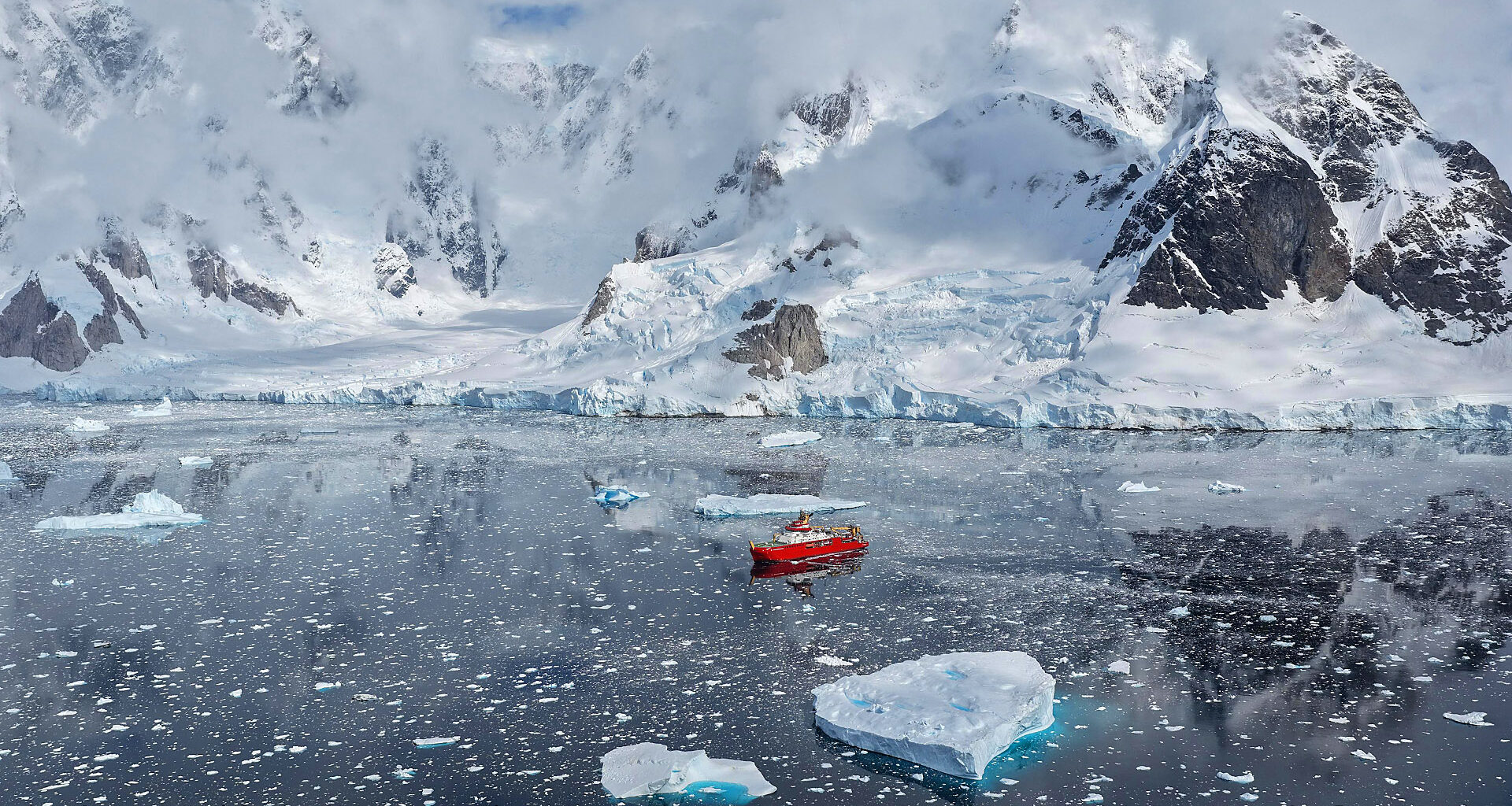
from ice to… is a series of impact assessments showcasing how BAS addresses big issues and informs policy makers, through science knowledge, technologies and innovation.
Impact Assessment – Short summaries are available below on this page, with a longer A4 printable version of the BAS Impact Assessment document here.
from ice to… space
Polar research protecting satellites
Space has its own kind of weather – bursts of energy from the Sun that can damage satellites and disrupt phone signals, GPS, flights and banking.
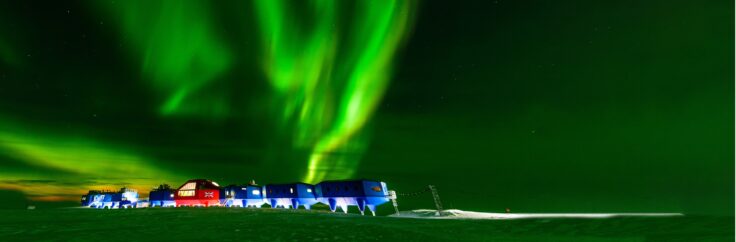
Drawing on decades of polar research into how particle radiation moves around Earth, BAS has created a new space-weather forecast that protects satellites across many orbits. It’s the first to cover medium Earth orbit, where GPS satellites operate and gives operators up to 24 hours’ warning of radiation risks.
Used by the European Space Agency, the Met Office and industry worldwide, it’s helping the UK prepare for storms that could otherwise cost billions and powering growth in the £17 billion space sector.
from ice to… desert
Antarctic radar discovers desert waters
A radar first built to study melting ice in Antarctica is now being used to tackle one of the world’s toughest challenges: finding water in the driest places on Earth.

The instrument works by sending radio waves into the ground and measuring signals that bounce back – a method BAS scientists originally used to measure the rate at which ice shelves melt in polar regions. With support from the Government Office for Technology Transfer (GOTT), BAS is adapting this technology for regions where people struggle most to access water, including parts of Africa, the Middle East, India and South-East Asia.
First trials in Morocco, South Africa and India show the radar can pinpoint hidden underground water and monitor how levels change over time, offering a cheaper, quicker and more reliable way for communities and authorities to find and manage vital water sources.
from ice to… motorways
Electric HGVs power a greener polar route
In a world first, BAS is using a fleet of 42-tonne electric HGVs to run its polar supply chain – supporting frontline science and powering Britain’s green economy.
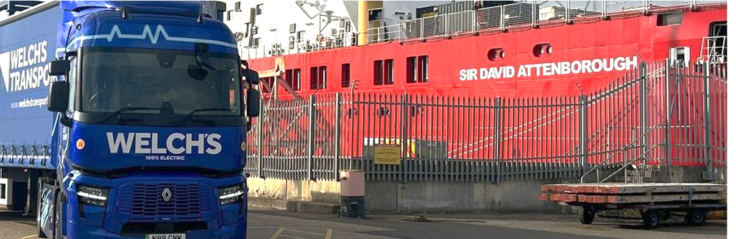
Partnering with Cambridge-based Welch’s Transport, BAS now hauls everything from scientific instruments to toiletries for shipment to the polar regions, saving over 55 tonnes of CO₂ to date (equivalent to taking around 30 petrol cars off the road for a year).
The partnership is also boosting local growth: Welch’s saw 15% business growth in 2025 and is on track to increase staff numbers by 10% by late 2026, alongside a 10% expansion of its fleet – including more electric vehicles.
Backed by UKRI’s Innovate UK, this project shows how clean transport drives UK jobs, skills and innovation.
from ice to… navigation
Keeping ships safe in icy waters
The Polar View service gives ships near real-time satellite maps of sea ice, helping crews make safer decisions in some of the world’s most unpredictable waters.
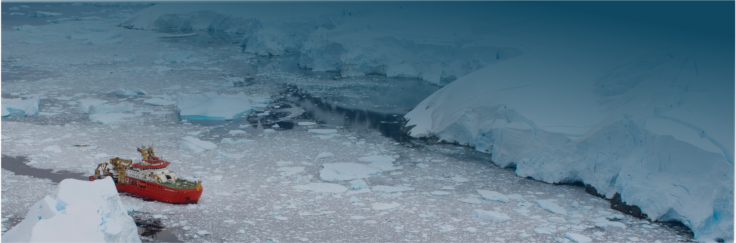
More than 6,000 operators a month – from the Royal Navy to Antarctic expedition vessels – rely on it to plan routes, cut fuel use and avoid hazards.
Built from decades of British polar expertise, Polar View is a world-leading British innovation that strengthens the global maritime economy and boosts UK influence, protecting people, trade and fragile polar environments.
from snow to… insight
Lakes as snow fall sensors
Snowmelt is underestimated by 50-100% in the world’s major mountain ranges: snowfall measurements are too small, too scarce, and too biased.
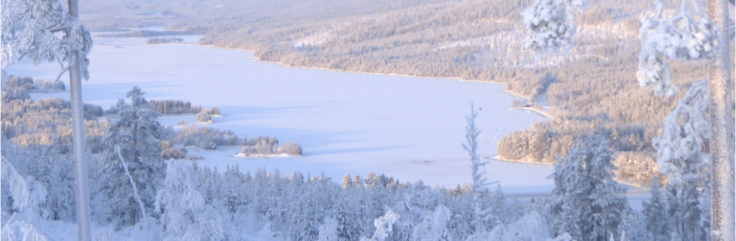
A BAS inventor has solved the problem of making unbiased, low-cost and frequent snowfall measurements over very large areas. Each new measurement spans an area larger than all the world’s existing rain gauges combined.
Used to update the physics of the Met Office’s weather model, it’s making the future of mountain water resources, food and energy more predictable for over a billion people.
from ice to… intelligence
AI-guided underwater robots transform polar science
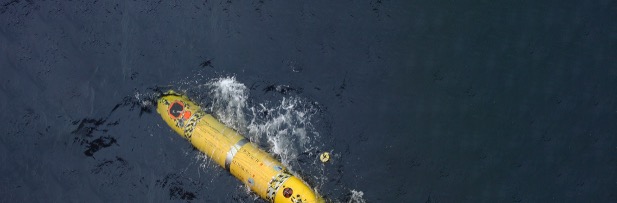
Collecting ocean data usually means long, costly ship missions – but what if hundreds of underwater robots could take some of the hard work away?
This project develops AI to plan and coordinate fleets of vessels from huge research ships to autonomous gliders that all gather vital information about the oceans.
The system decides where each should go, how to share tasks and when to return for charging, all in a matter of seconds.
It squeezes the most data from every battery cycle, reduces the cost of fuel-hungry vessels and improves reliability.
That means more data, less ship time and a smaller carbon footprint. It’s a smarter, greener way to explore the seas – and other industries can use it too.
from ice to… DNA
Unlocking the secrets of Antarctic microbes for biotechnology

Deep inside BAS freezers are tiny traces of life from some of the coldest corners of our planet – microbes collected over decades from windswept ice, frozen soils and remote polar rock as part of BAS’s scientific missions.
Now, BAS and leading UK biotech company Basecamp Research are teaming up to uncover the extraordinary survival tricks hidden in their DNA. Using cutting-edge sequencing tools and AI, the partnership is revealing how these microbes endure extreme cold – insights that could inspire greener everyday technologies, from low-energy detergents to cleaner industrial processes and even new medical innovations.
By opening up this remarkable biological archive, BAS is also helping attract inward investment into the UK’s fast-growing biotech sector – strengthening Britain’s position in the global race for sustainable proteins and enzymes.