The rise of the robots: how autonomous vehicles are transforming polar science
In the harsh and ever-changing landscapes of the polar regions, autonomous robots are quickly becoming a scientist’s best friend as our tools catch up with our questions.

1 to 12 of 41 results
In the harsh and ever-changing landscapes of the polar regions, autonomous robots are quickly becoming a scientist’s best friend as our tools catch up with our questions.
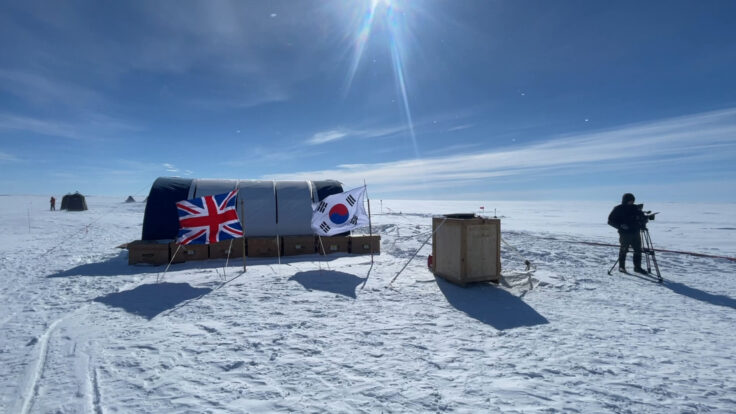
A team of researchers from the UK and Korea has reached the most inaccessible and least-understood part of Thwaites Glacier in West Antarctica where they will drill through the glacier to directly observe how warm ocean water is melting it from below.
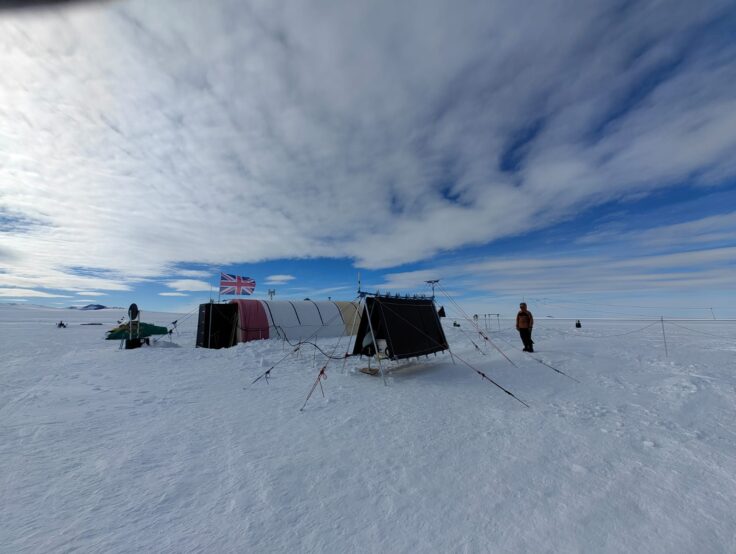
The British Antarctic Survey has installed and activated two solar photovoltaic and energy storage systems in Antarctica as part of our commitment to reach net zero by 2040.
Congratulations to British Antarctic Survey staff who have been awarded a Polar Medal in the 2025 New Year’s Honours List for their contributions to improving our understanding of Antarctica, through scientific or technical work in or about the polar regions.

Over 30 researchers from international institutes are working on ice core drilling campaigns in Antarctica to probe the ice sheet’s behaviour, carbon cycling in the Southern Ocean, and the Earth’s climate history.
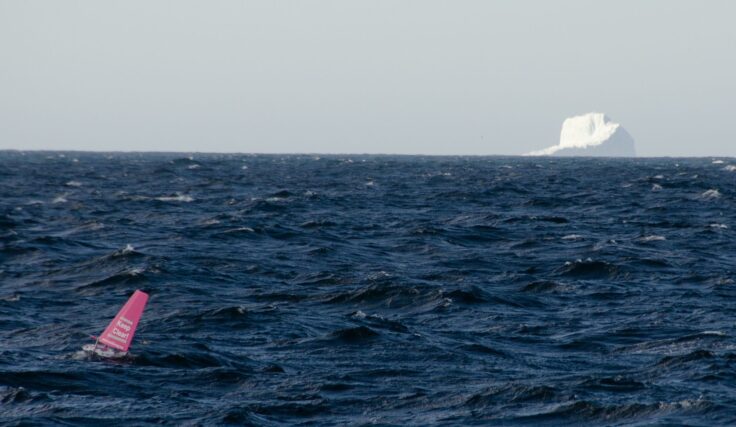
Scientists studying krill in the sub-Antarctic have successfully completed a three-day mission using a Sailbuoy uncrewed surface vessel (USV). This mission marks the first Maritime and Coastguard Agency (MCA) approved deployment of a USV for science around South Georgia.
Congratulations to British Antarctic Survey (BAS) staff who have been awarded a Polar Medal in the 2024 New Year’s Honours List for their contributions to improving our understanding of Antarctica and enduring harsh Antarctic conditions.
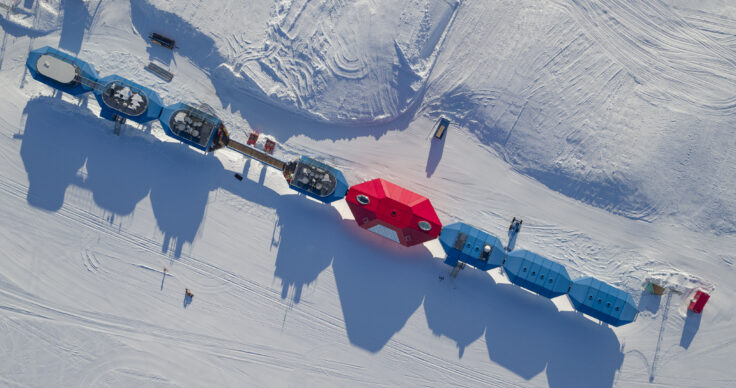
A team of scientists from the British Antarctic Survey (BAS) is gearing up for an expedition to the Brunt Ice Shelf in Antarctica to unravel the mysteries behind the calving processes that result in the formation of colossal icebergs.
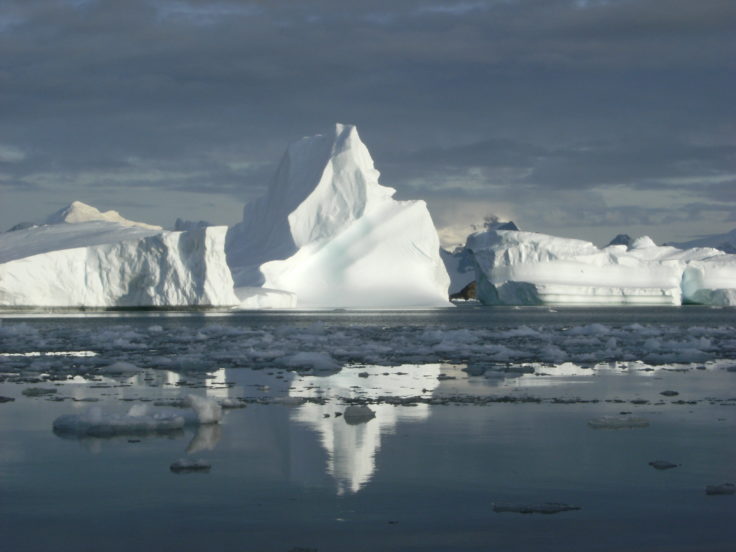
Researchers are using a new AI tool to detect icebergs in the Southern Ocean – the first step towards tracking the complete lifecycle of Antarctic icebergs from satellite data.
Congratulations to BAS staff who have been awarded a Polar Medal in the 2023 New Year’s Honours List for their scientific work or their technical support for science, in order […]
The British Antarctic Survey and its partners are launching a drawing competition for schools, to inspire the next generation of polar engineers, scientists and explorers. School children between the ages […]

RRS Sir David Attenborough begins its second leg of science trials this week (22 August 2022). Britain’s new polar ship will depart Belfast today for its second leg of science […]
