
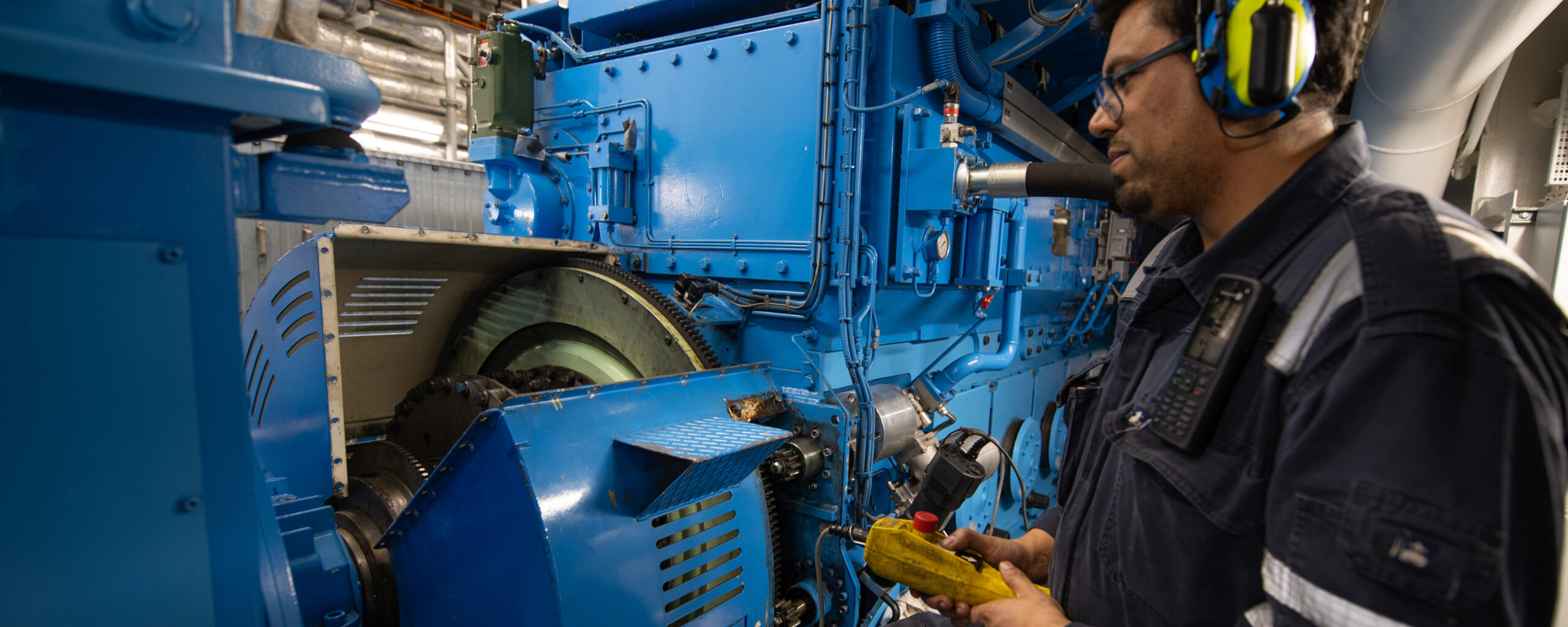
Science is at the core of what British Antarctic Survey (BAS) does and why it exists. Supporting our scientific research is a depth of engineering and logistics expertise.
A career based on science, technology, engineering and maths (STEM) subjects can take you a long way at BAS – most likely, all the way to Antarctica.
Research and support
Our research in the polar regions leads the world. From the edge of space to the bottom of the ocean, it’s enough to stimulate even the most curious minds. And our collaborations with other research organisations span the globe.
The research couldn’t be done without people who know how to deploy specialist ice radar, maintain high-frequency radios, calculate optimum aircraft loads and routes, navigate the Southern Ocean, apply analysis models to our wealth of scientific data, map the icy wilderness, and many, many more roles adapted to Antarctica’s exacting climate.
We offer opportunities for students at different stages of their academic journey. We provide hands-on experience, expert mentorship, and access to unique environments.
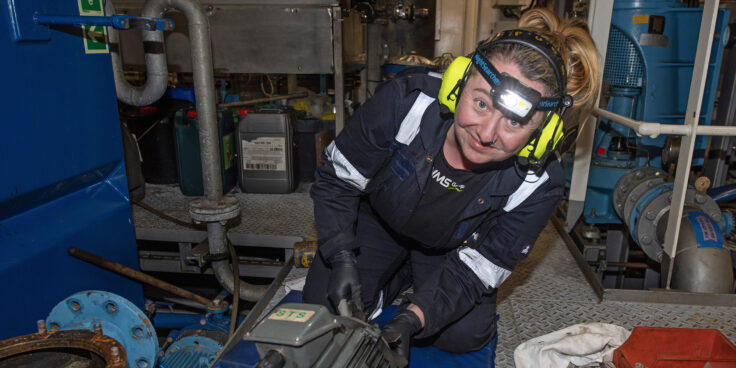
An engineer in action
Real people, authentic experiences
Nadia Frontier is a marine biologist at BAS, and hosts our Iceworld podcast. Nadia has sailed to Antarctica on RRS Sir David Attenborough. She has spent both a summer and a winter in Antarctica.
“The glacier is your backgarden,” she says. “And the stars – in time-lapse photographs or just to look… You will never see stars like that anywhere else on Earth.”
Jaskirin Nagi, graduated with a degree in electronics specialising in satellite communications. His first job was at Halley IV Research Station.
“Halley is all about radio frequency (RF) science,” he says. “For example, looking at the Aurora above Antarctica, or how RF travels around the world.”
Jaskin has also worked at Rothera Research Station, a much older station, where scientists have adapted technology from 30 or more years ago to serve modern research. So there’s always something to learn, even less glamorous lessons, such as how to moor a rib against a wharf wall.
Jonathan Witherstone is another electronics engineer who has wintered at Rothera Research Station. His engineer’s brain is constantly looking for ways to make things work better.
“Everything outside gets hammered by the weather,” he says. “To remove snow, we’ve replaced the brush with a squeegee we stole from the cleaning cupboard and adapted it with an ice-scraper on the other end.”
Request a school visit
Our people readily share their expertise in science, operations, and engineering with schools and communities.
Our team of STEM ambassadors inspire young people to pursue STEM careers through school talks and outreach projects.
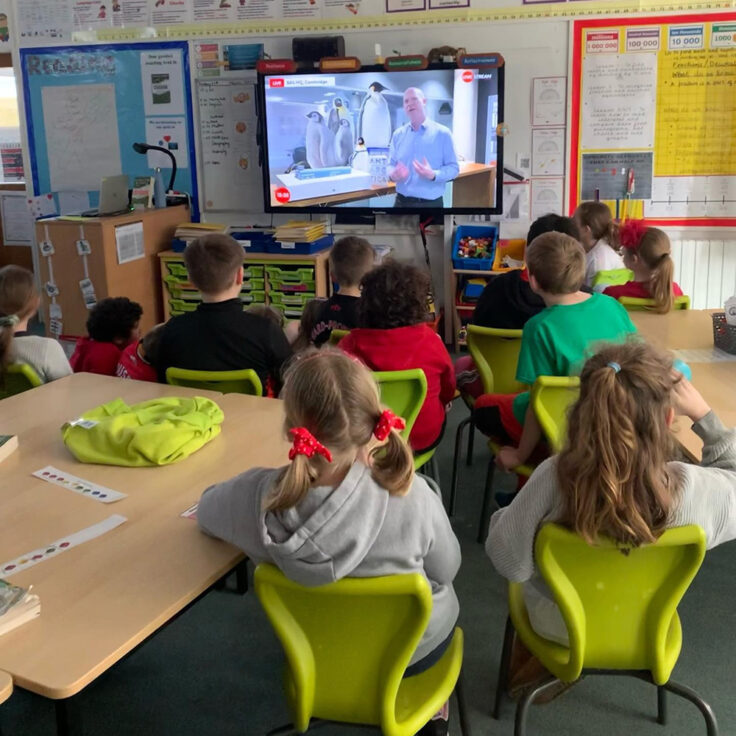
Live lesson in a primary school
In 2024 our outreach efforts reached over 5,000 school children and community members through staff talks. We engaged 50,000 students online, and connected with hundreds more at public events in museums and venues across the country.
Our scientists and engineers visit schools within a 50-mile radius of our Cambridge headquarters to talk about polar science and living and working in Antarctica.
Contact us to request a visit to your school.