Scientist awarded prestigious award
British Antarctic Survey space weather scientist, Dr Mark Clilverd, has been awarded a prestigious award from the Royal Astronomical Society (RAS) in their 2019 Awards. The award recognises Mark as […]

11 of 11 results
British Antarctic Survey space weather scientist, Dr Mark Clilverd, has been awarded a prestigious award from the Royal Astronomical Society (RAS) in their 2019 Awards. The award recognises Mark as […]
SWIGS investigated how space weather drives geomagnetically induced currents in power grids, pipelines, and railways.
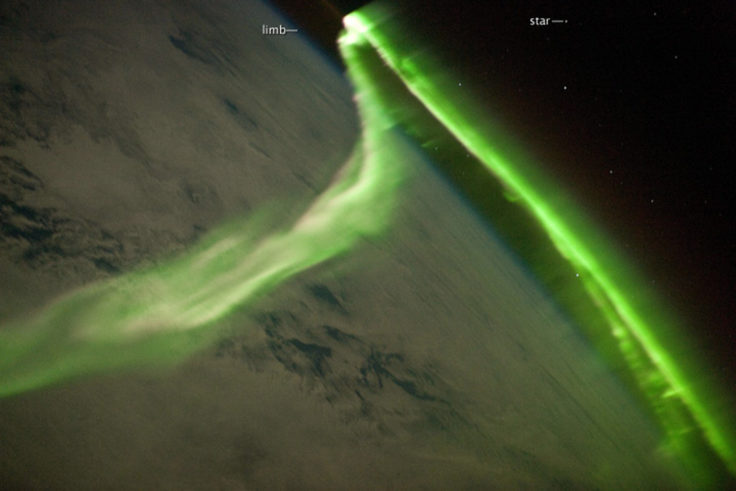
Joule Heating investigated how space weather affects the upper atmosphere’s ability to slow down orbiting satellite debris.
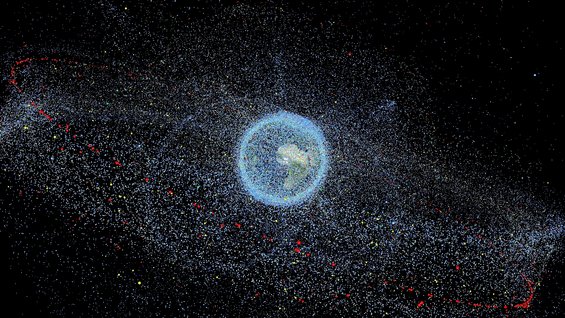
Satellites are more likely to be at risk from high-speed solar wind than a major geomagnetic storm according to a new UK-US study published this week in the Journal Space […]
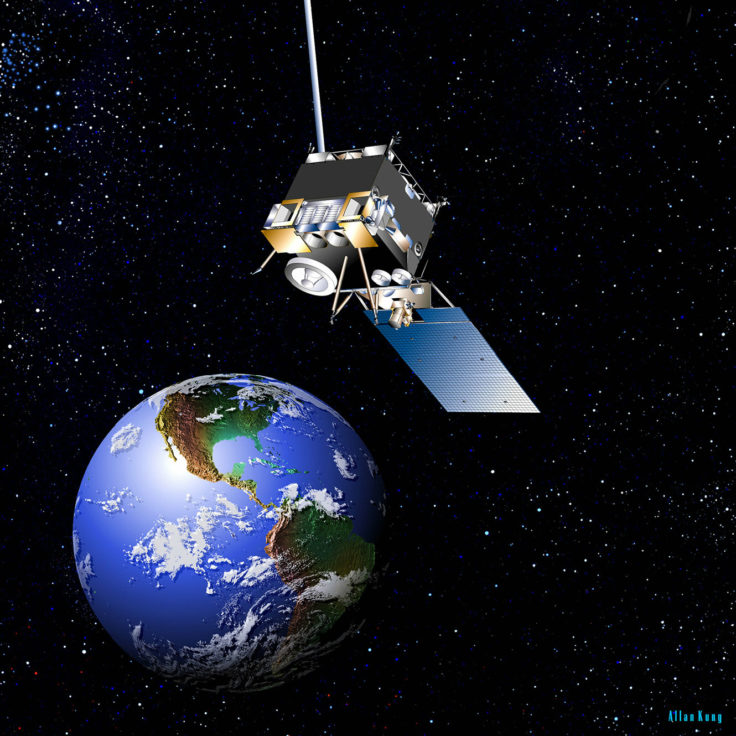
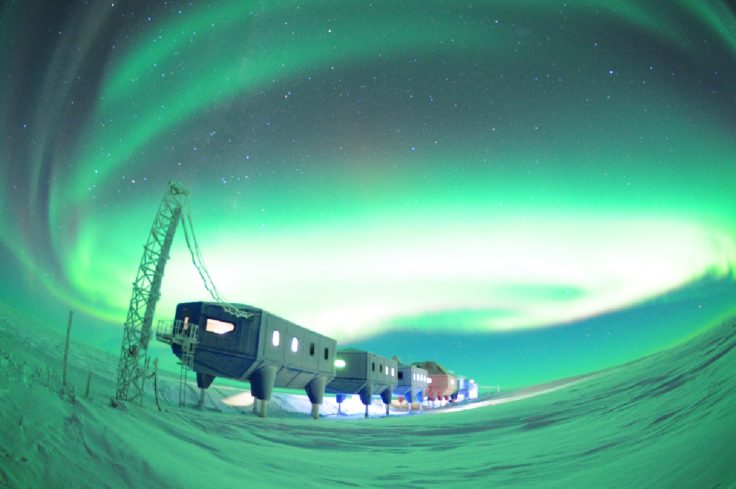
Using meteorological statistical techniques, THeMES aimed to improve satellite trajectory predictions and identify which orbital paths face the greatest risk from space weather disturbances.
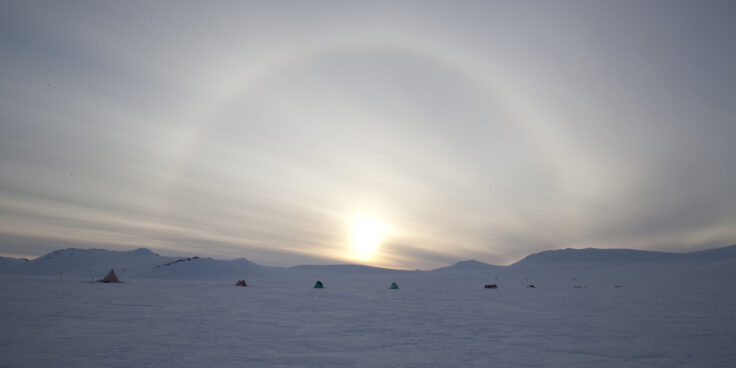
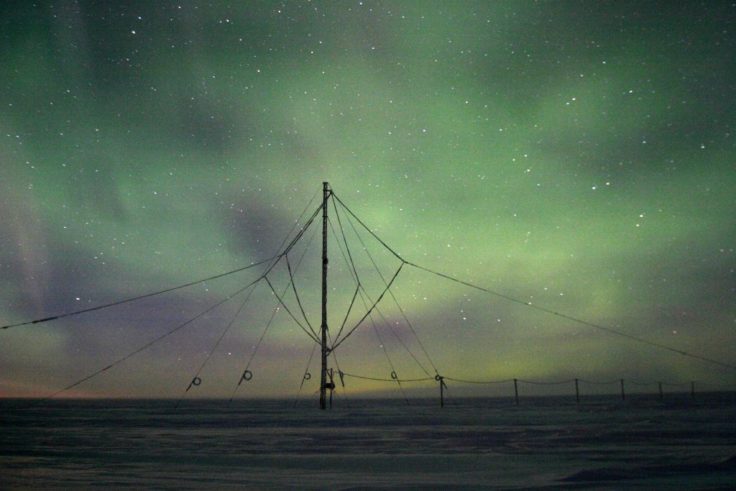
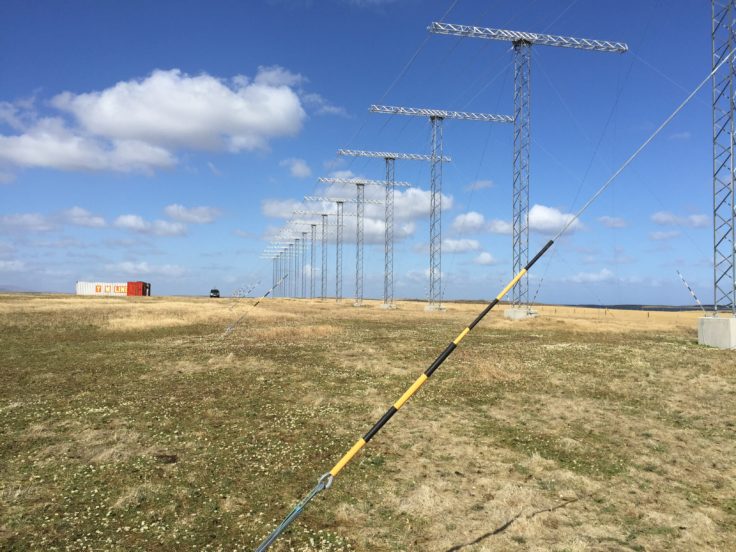
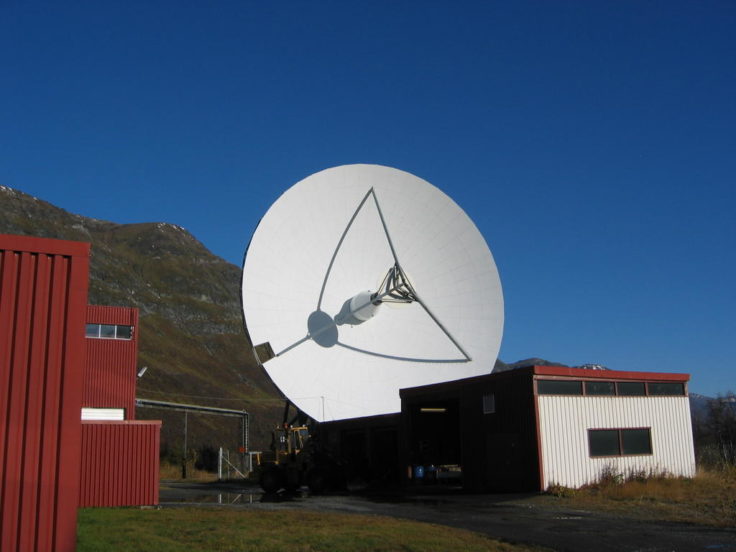
The Super Dual Auroral Radar Network (SuperDARN) has been operating as an international co-operative organisation for over 25 years, and has proved to be one of the most successful tools for studying dynamical processes in the Earth’s magnetosphere, ionosphere, and neutral atmosphere.
Quantifying the Effect of the Upper Atmospheric Electric Potential on Lower Atmospheric Temperature and Pressure.
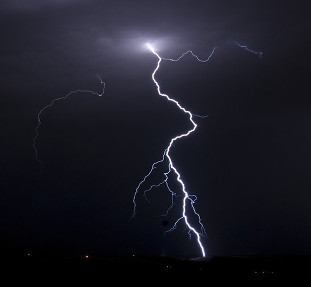
The UK EISCAT support group (UKESG) is a collaboration between the British Antarctic Survey and the Rutherford Appleton Laboratory, funded via the National Centre for Atmospheric Science (NCAS).
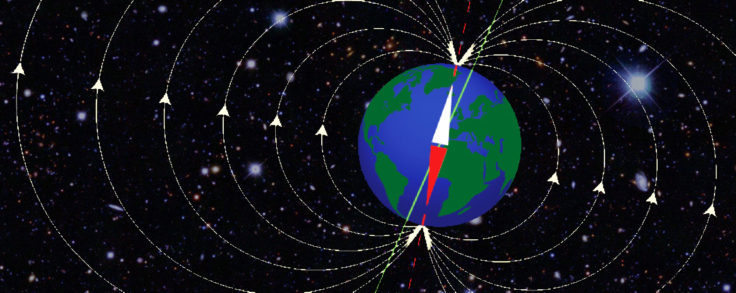
For centuries people have used magnetic compasses to guide them on their way and explore new territories. This has led scientists to embark on their own journeys of discovery about […]
The objective of QEPPA is to work out the amount of charged particles that hit our atmosphere during space weather events in order to improve how our models represent this effect on our atmosphere and climate.