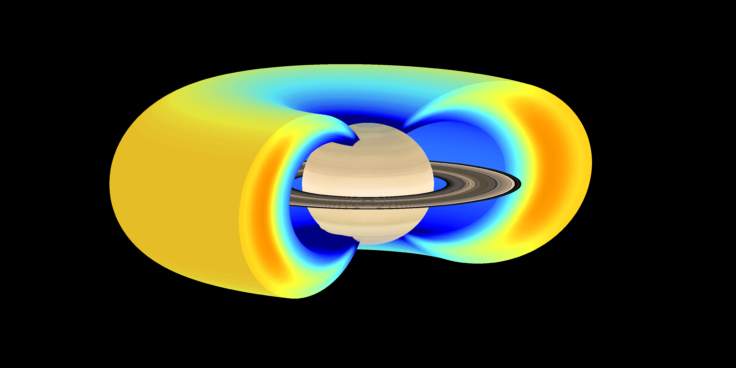
Rad-Sat
Rad-Sat is a NERC Highlight Topic that brings together a consortium of scientists from 5 different UK research groups, stakeholders from the space industry and a network of international collaborators.

37 to 48 of 76 results
Rad-Sat is a NERC Highlight Topic that brings together a consortium of scientists from 5 different UK research groups, stakeholders from the space industry and a network of international collaborators.
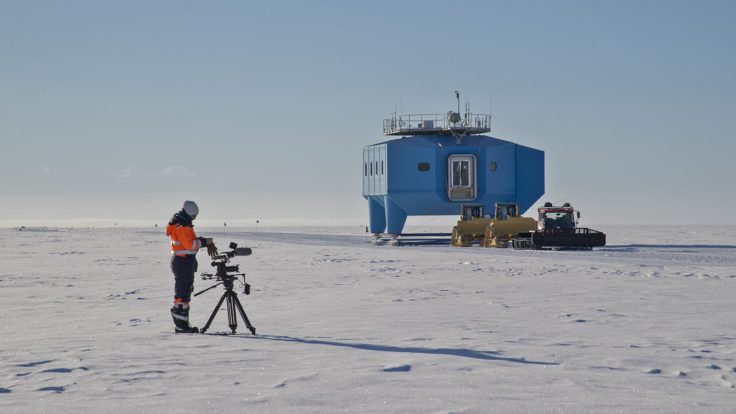
Horizon documentary ‘Antarctica Ice Station Rescue’ broadcasts on Wednesday 7 June @ 21:00 on BBC Two In 2016 British Antarctic Survey (BAS) invited BBC film-maker Natalie Hewit to its Halley […]
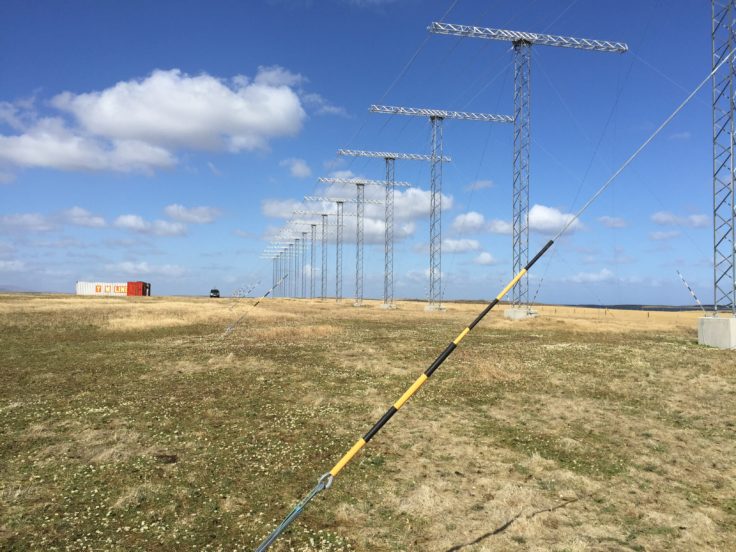
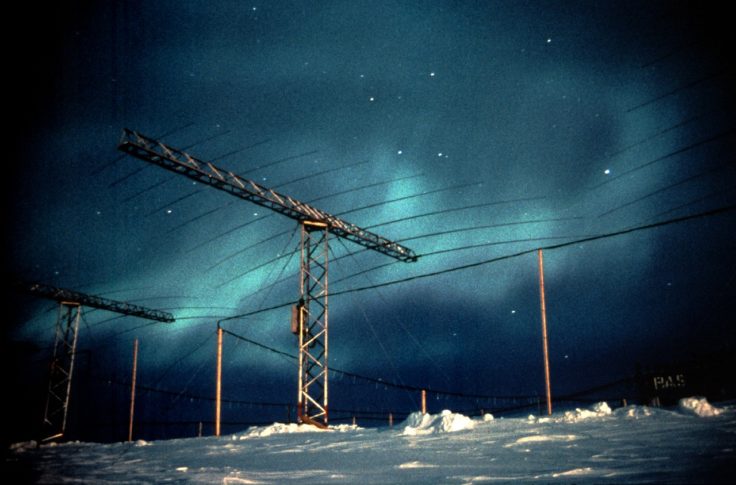
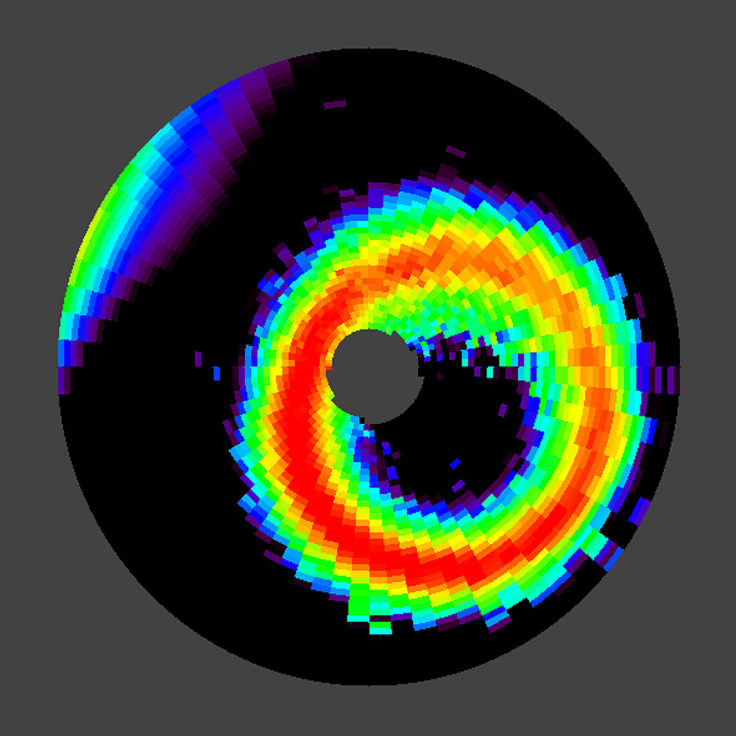
The Super Dual Auroral Radar Network (SuperDARN) has been operating as an international co-operative organisation for over 25 years, and has proved to be one of the most successful tools for studying dynamical processes in the Earth’s magnetosphere, ionosphere, and neutral atmosphere.
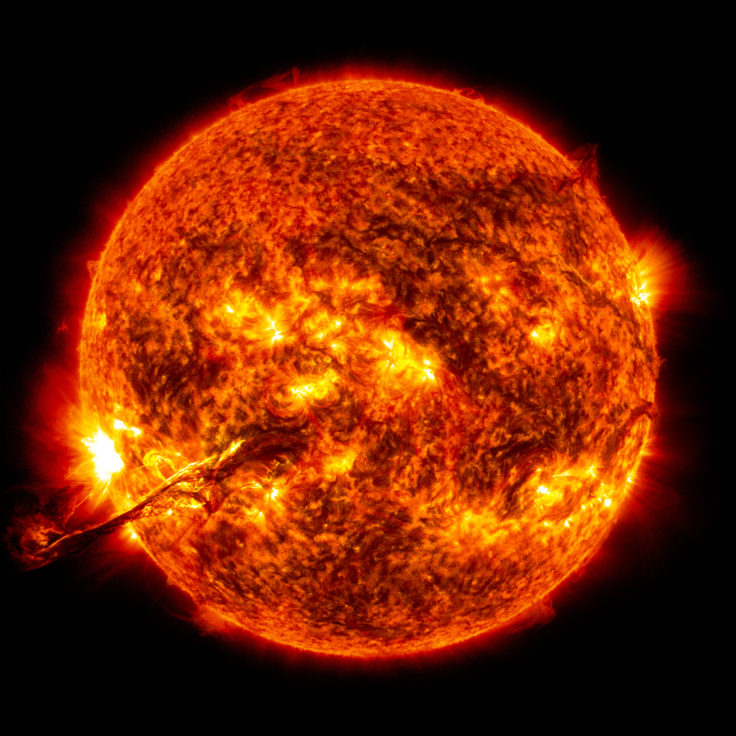
The daily U.S. economic cost from solar storm-induced electricity blackouts could total more than $40 billion, with more than half the loss occurring outside the blackout zone, says new study. […]
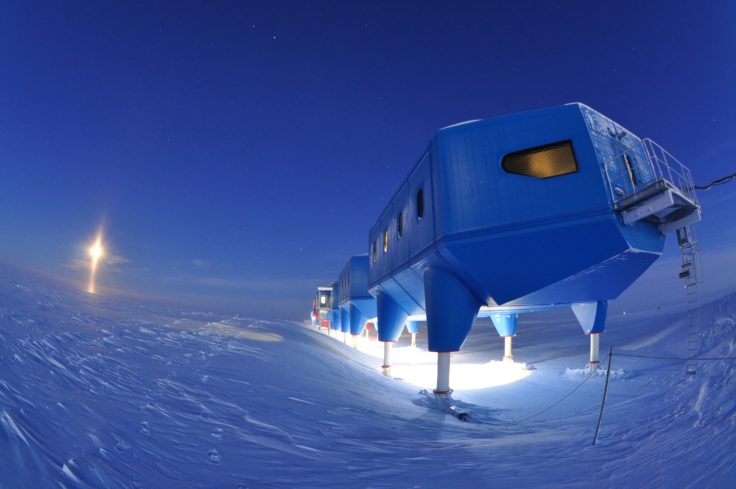
British Antarctic Survey (BAS) has decided not to winter at Halley VI Research Station for safety reasons. The station, which is located on the floating Brunt Ice Shelf in Antarctica, […]
Dr Mervyn Freeman, Senior Space Weather Researcher at British Antarctic Survey, has been awarded the prestigious Chapman Medal in Geophysics by the Royal Astronomical Society (RAS). The medal recognises his […]
British Antarctic Survey is getting ready to move its Halley VI Research Station 23 km across the ice. This is the first time that the station, which has a re-locatable […]
Quantifying the Effect of the Upper Atmospheric Electric Potential on Lower Atmospheric Temperature and Pressure.
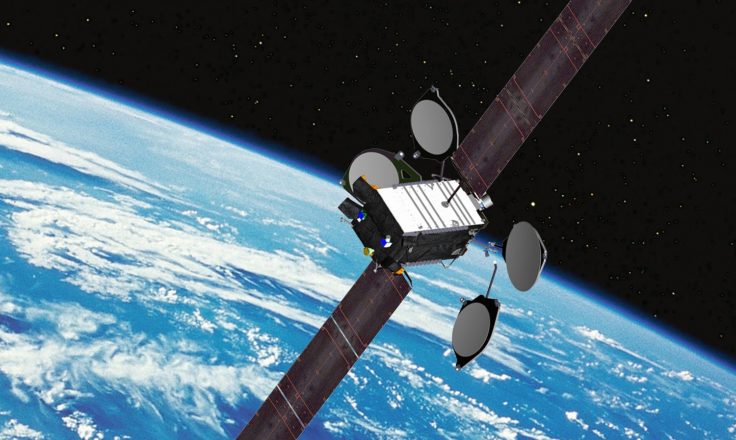
Energetic electrons are an important space weather hazard. In this paper we apply extreme value analysis to 16 years of operational satellite data from the NOAA Polar Operational Environmental Satellites […]
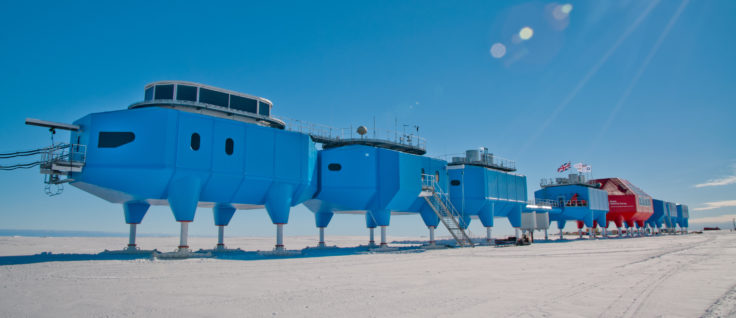
BBC Horizon documentary ‘Ice Station Antarctica’ to be broadcast on Wednesday 4 May at 8pm, BBC2.
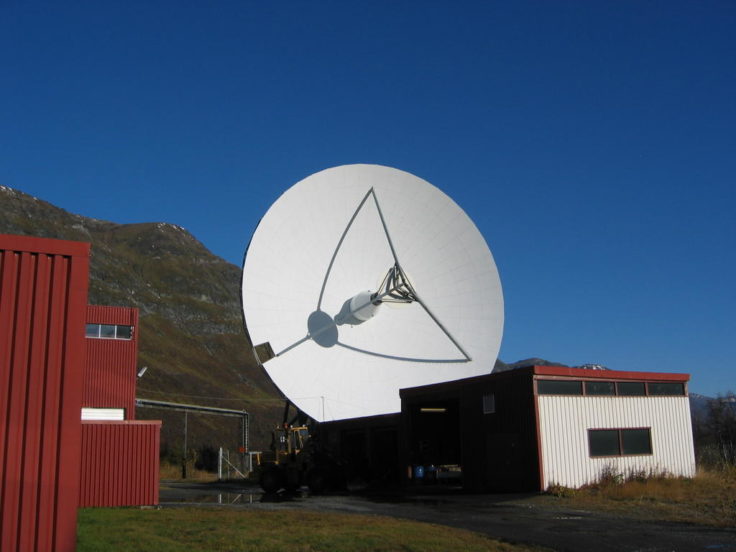
The UK EISCAT support group (UKESG) is a collaboration between the British Antarctic Survey and the Rutherford Appleton Laboratory, funded via the National Centre for Atmospheric Science (NCAS).
This project explored the radiation belts of the Earth, Jupiter and Saturn to help set new research goals for future spacecraft missions to the planets and develop computer models that will be of direct use to the space insurance, satellite construction and satellite service industries.