BAS staff recognised with Royal Society Fellowships
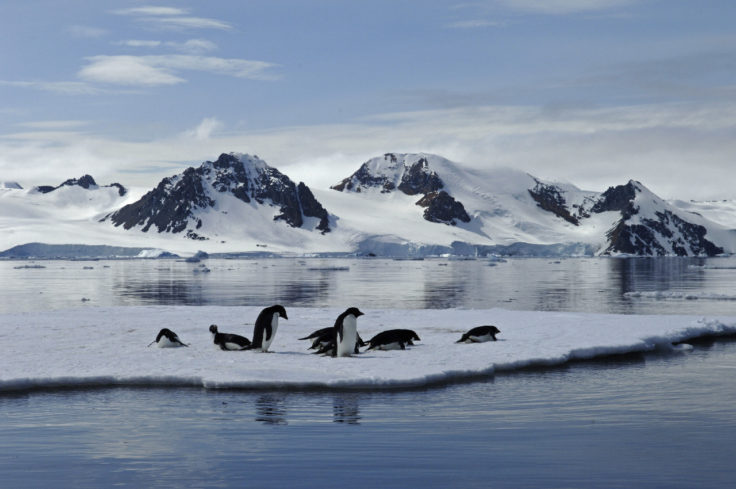
We are delighted to announce that today (6 May 2021) Professor Dame Jane Francis, Director of British Antarctic Survey, and Professor Richard Horne, Head of Space Weather and Atmosphere team, […]

13 to 24 of 76 results
We are delighted to announce that today (6 May 2021) Professor Dame Jane Francis, Director of British Antarctic Survey, and Professor Richard Horne, Head of Space Weather and Atmosphere team, […]
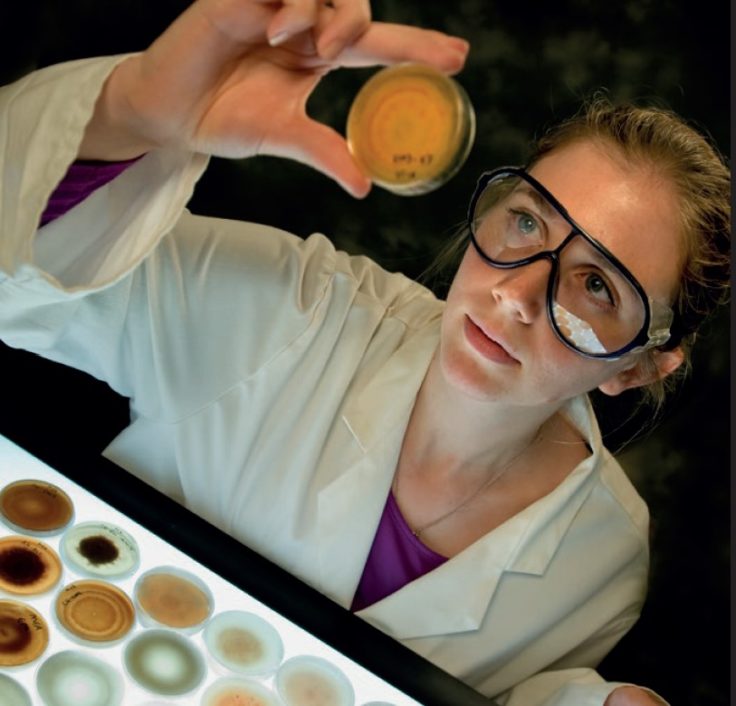
Applications for PhD projects with British Antarctic Survey (BAS) are now open for October 2021 admission. There are currently over 100 PhD students associated with BAS, working on a huge variety […]
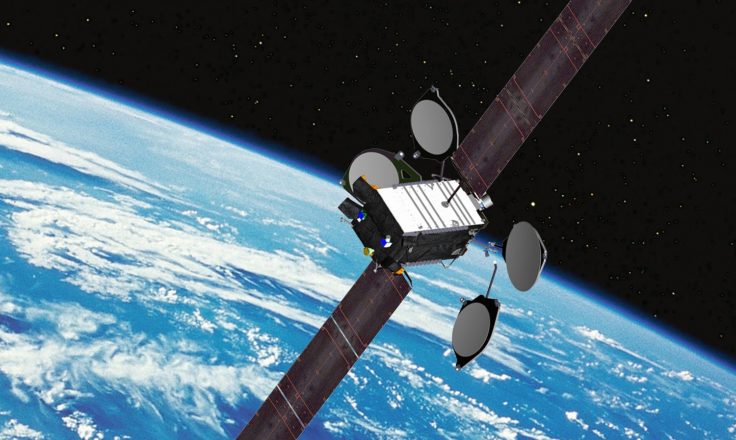
Space weather research at British Antarctic Survey (BAS) receives a funding boost of around £2M today (Saturday 27 June) from the SWIMMR (Space Weather Instrumentation, Measurement, Modelling and Risk) programme. […]
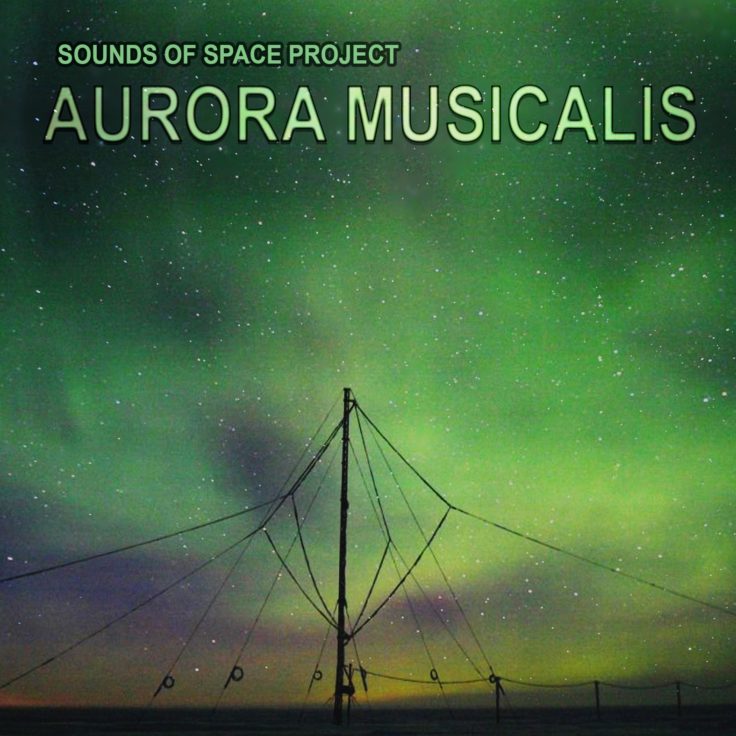
A new album with the unique ‘sounds of space’ recorded from Antarctica is released free today (6 May 2020). Aurora Musicalis contains the natural radio ‘sounds’ of our planet, recorded […]
British Antarctic Survey is pleased to announce the Appleton Prize 2020 has been awarded to Professor Richard Horne, Head of the Space Weather and Atmosphere science team at British Antarctic […]
A ‘great’ space weather super-storm large enough to cause significant disruption to our electronic and networked systems occurred on average once in every 25 years. The results are published today […]
It is with great sadness that we report the death of previous staff member, Professor Alan Rodger. Alan was a scientist in BAS for over 40 years since 1972. He […]
A team of international researchers, including Professor Richard Horne from British Antarctic Survey, has been awarded best research study from the journal Risk Analysis for 2019. The study, led by […]
Space weather research gets a boost this week with a £20m fund announced by the UK Prime Minister. Space weather, such as flares or winds from the Sun’s surface or […]
The use of electric propulsion for raising satellites into geostationary orbit can result in significant solar cell degradation according to a new study. The extended journey results in greater exposure […]
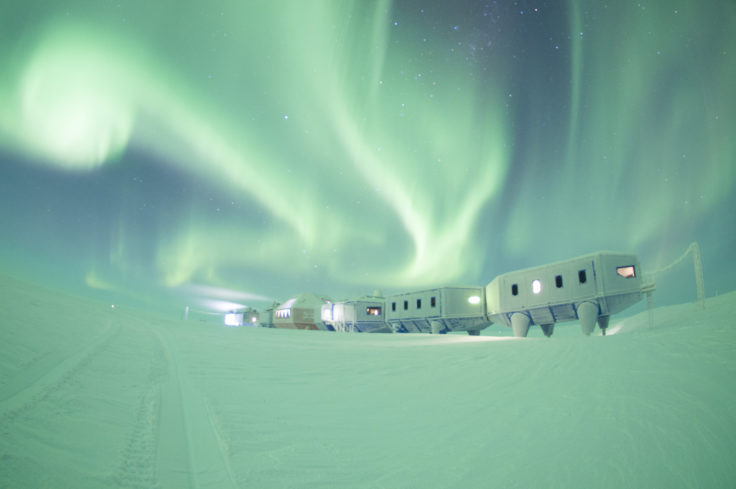
A remote and unoccupied research station in Antarctica has, for the first time, collected important scientific measurements of climate, ozone and space weather thanks to ground-breaking technology developed by British […]
British Antarctic Survey space weather scientist, Dr Mark Clilverd, has been awarded a prestigious award from the Royal Astronomical Society (RAS) in their 2019 Awards. The award recognises Mark as […]