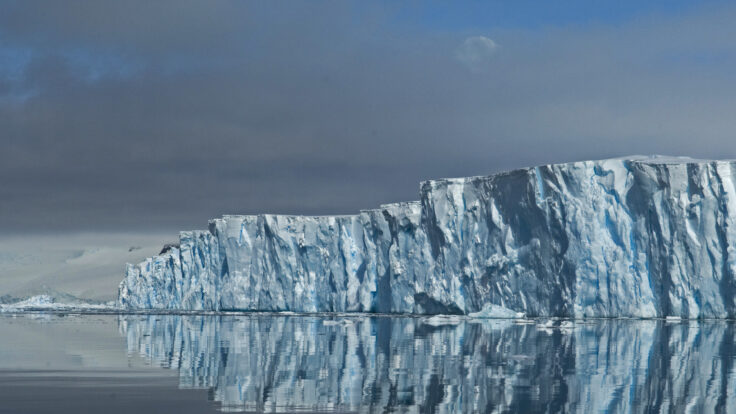
Scientists drill for first time on remote Antarctic Glacier
Teams from the US and UK have successfully completed scientific fieldwork in one of the most remote and hostile areas of West Antarctica – coinciding with the 200th anniversary of […]

25 to 36 of 49 results
Teams from the US and UK have successfully completed scientific fieldwork in one of the most remote and hostile areas of West Antarctica – coinciding with the 200th anniversary of […]
Nearly 100 scientists and support staff depart this week (13 November 2019) for the most ambitious mission to date for Thwaites Glacier in West Antarctica. In the second year of […]
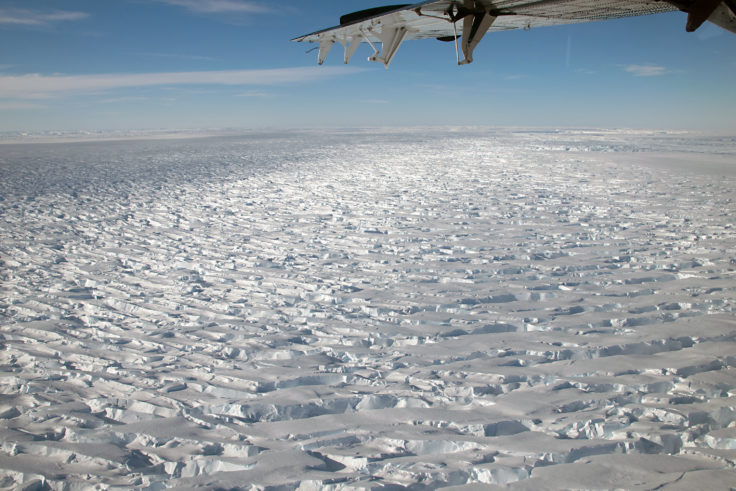
A section of the world’s largest ice shelf in Antarctica – around the size of Spain – is melting 10 times faster than average and warm ocean currents beneath it […]
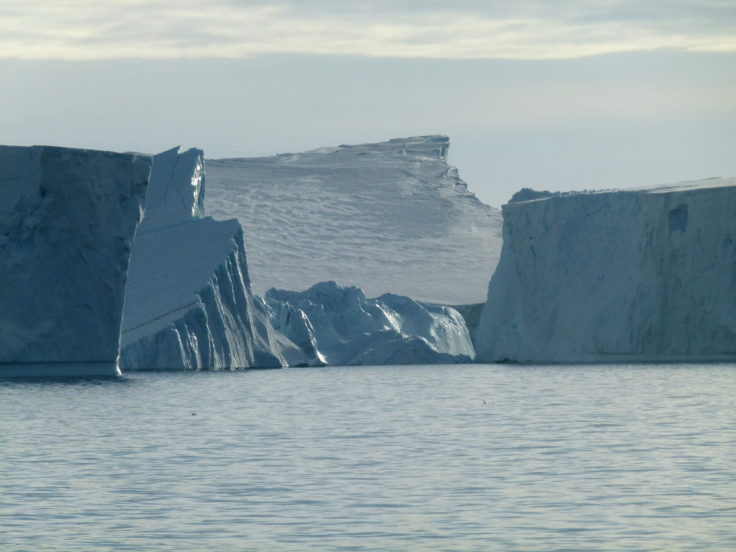
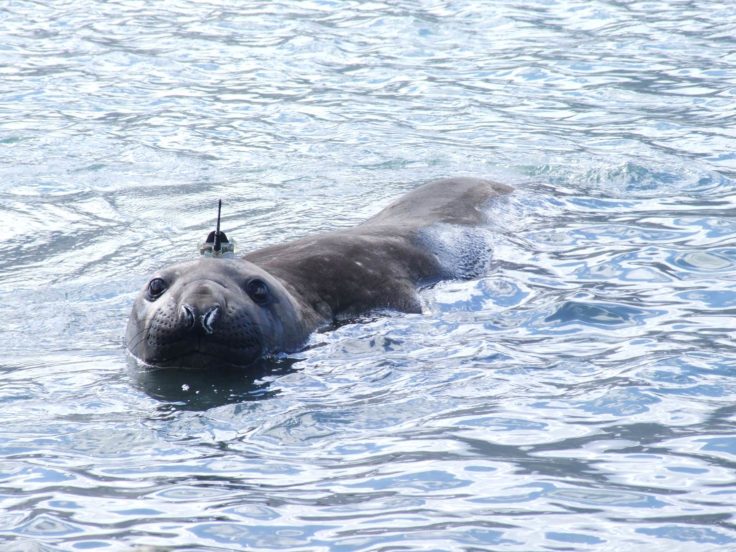
Scientists will use two species of seals to investigate a huge glacier in West Antarctica that is at risk of collapse. A team of over 20 polar scientists from the […]
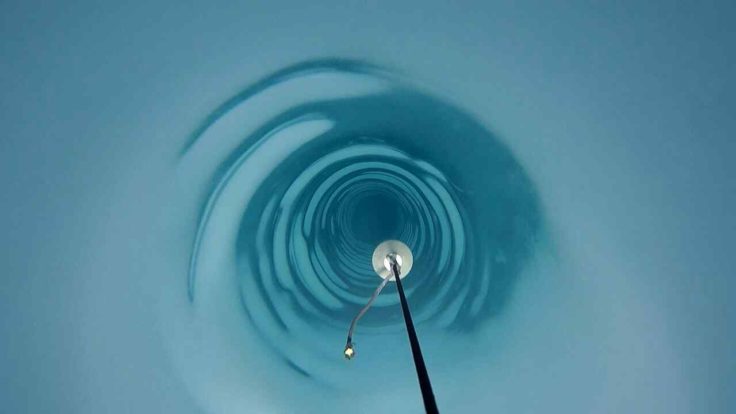
A team of scientists and engineers has for the first time successfully drilled over two kilometres through the ice sheet in West Antarctica using hot water. This research will help […]
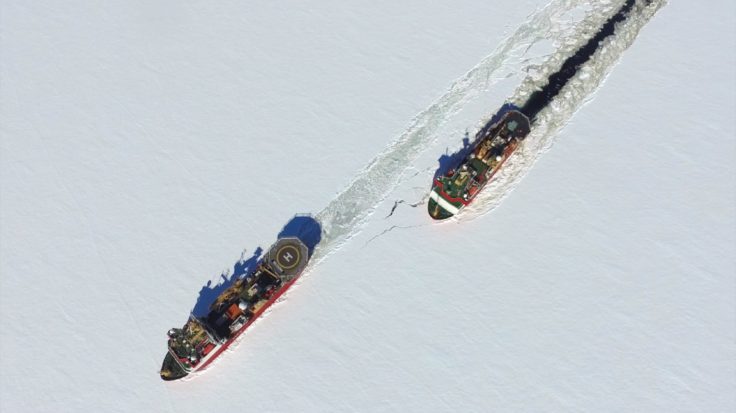
The British Antractic Survey’s vessel RRS Ernest Shackleton teamed up with the Royal Navy survey ship HMS Protector to help scientists begin a five-year mission to understand how West Antarctica […]
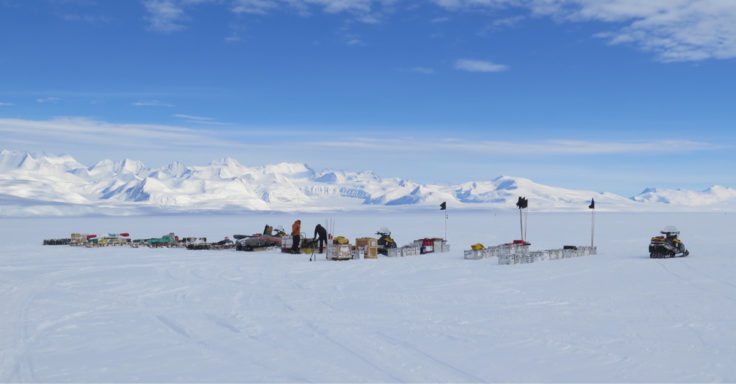
A team of UK and U.S. polar scientists are about to embark on one of the largest joint Antarctic missions for more than 70 years. It’s the first field season […]
Melting of ice shelves in West Antarctica speeds up and slows down in response to changes in deep ocean temperature, and is far more variable than previously thought, according to […]
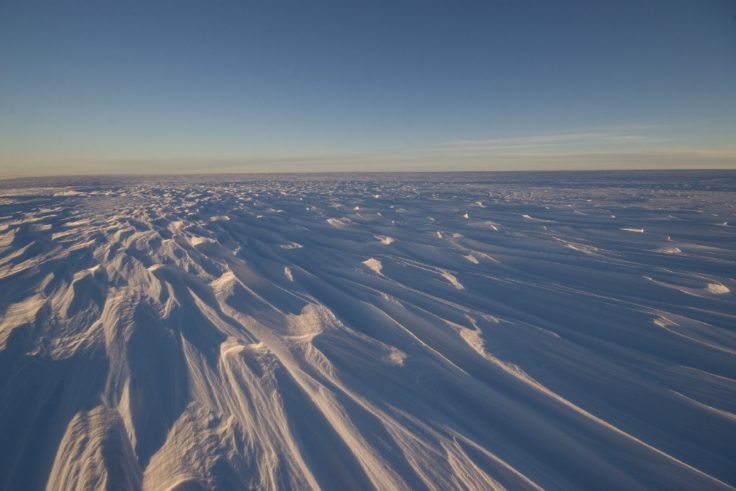
Revealing Antarctica’s hidden world
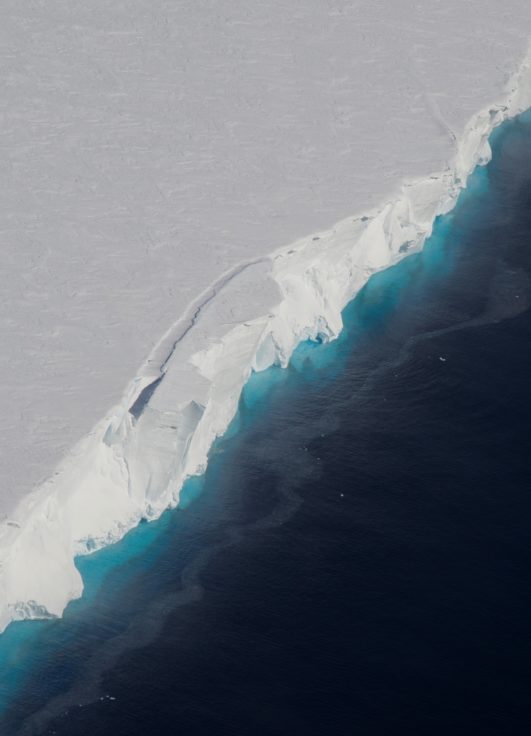
MELT is an ice-based project that will use autonomous sensors to monitor the ice column and ocean beneath the ice shelf in the critical area of the grounding line (the point where the glacier goes afloat to become ice shelf).
GHOST is an ice-based project which will examine the bed beneath the Thwaites Glacier, to assess whether conditions are likely to allow rapid retreat, or if the retreat may slow or stop due to a ridge 70 km inland.
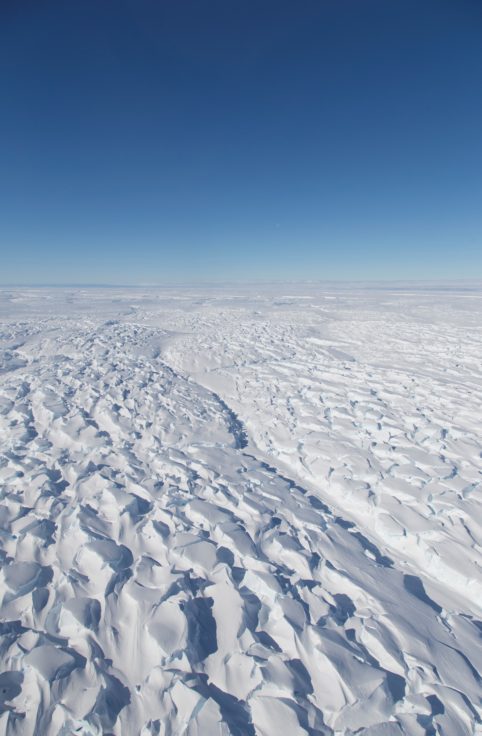
The International Thwaites Glacier Collaboration unites global scientists to study Antarctica’s most vulnerable glacier, predict sea-level rise, and inform climate action worldwide.