Arctic Summer-time Cyclones
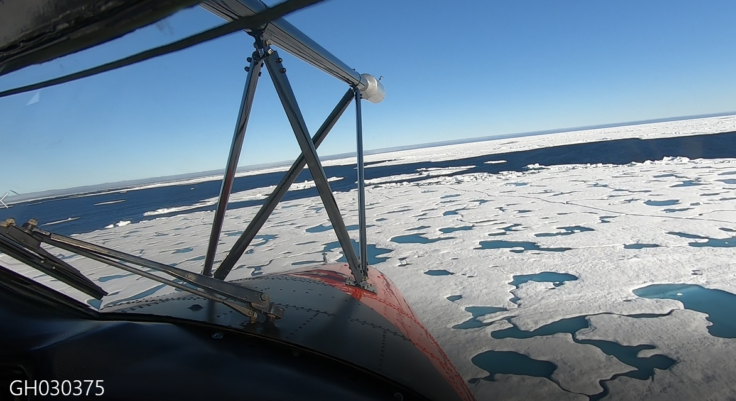
The overarching goal of the project is to determine the role of sea-ice surface properties in Arctic cyclone dynamics and to characterise the interaction of Arctic cyclones with the summer-time Arctic environment.

1 to 12 of 14 results
The overarching goal of the project is to determine the role of sea-ice surface properties in Arctic cyclone dynamics and to characterise the interaction of Arctic cyclones with the summer-time Arctic environment.
SIWHA investigates how westerly winds and sea ice have influenced CO2 uptake and release in the Southern Ocean.
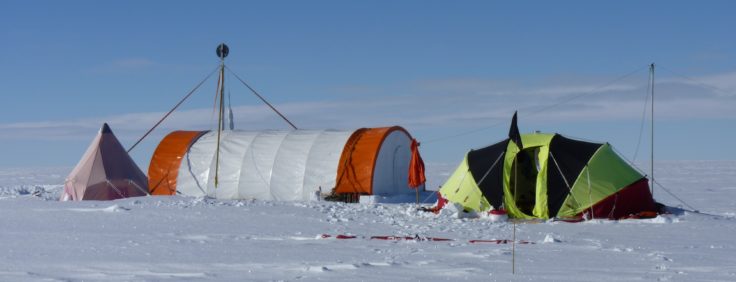
Southern Ocean Clouds improves climate models by studying cloud processes over the Southern Ocean to reduce global prediction errors.
UK Research and Innovation (UKRI) has announced its latest round of Future Leaders Fellowships today (23 April 2020). Congratulations to Dr Dan Jones and Dr Clara Manno of British Antarctic […]
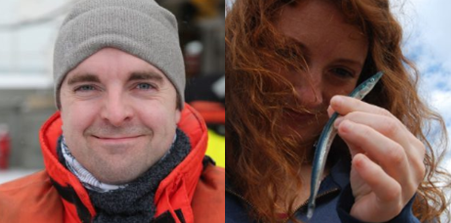
Last week (12th July) Dr Emily Shuckburgh travelled to Pittsburgh, USA, and received the prestigious 2017 I. E. Block Community Lecture prize from SIAM – the Society for Industrial and […]
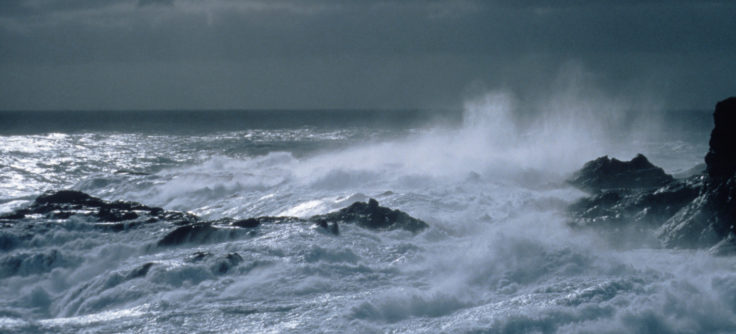
The unmanned submersible Boaty McBoatface was deployed in the Antarctic for the first time.
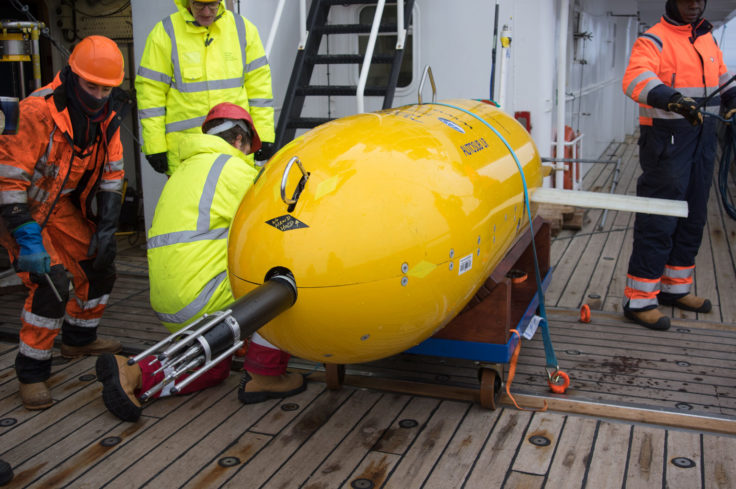
Local weather plays an important part in the retreat of the ice shelves in West Antarctica, according to new research published in the journal Nature Communications today (Friday 17 February). […]
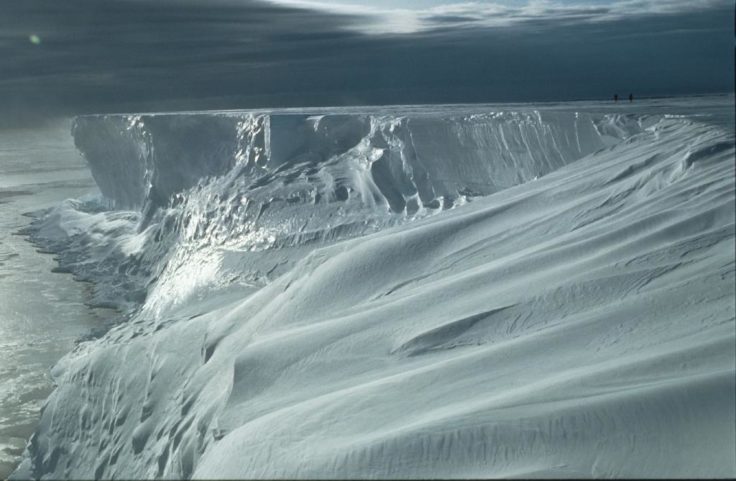
A new study has found for the first time that ocean warming is the primary cause of retreat of glaciers on the Antarctic Peninsula. The Peninsula is one of the largest current contributors to sea-level rise and this new finding will enable researchers to make better predictions of ice loss from this region.
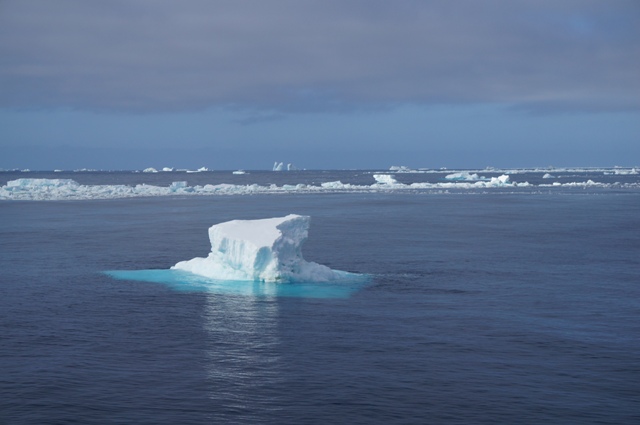
Understanding the Ocean Regulation of Climate by Heat, Carbon Sequestration and Transports
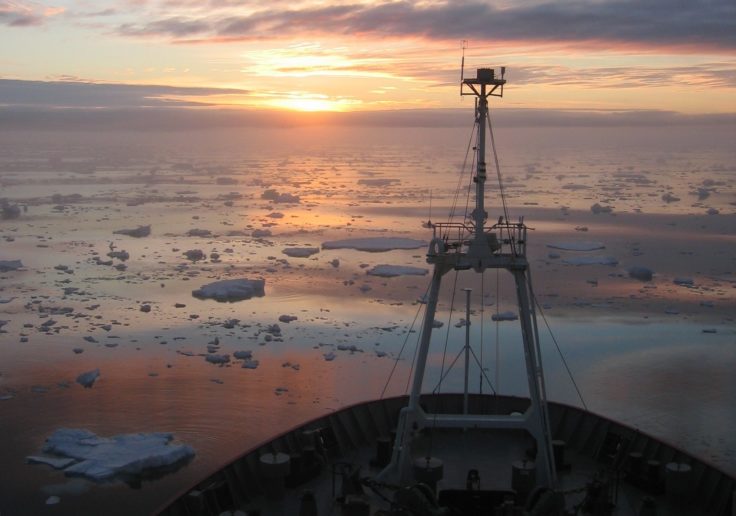
As the southern westerly winds drive the Antarctic circumpolar current around Antarctica, deep waters are forced up to the surface south of the polar front. Changes in the intensity with […]

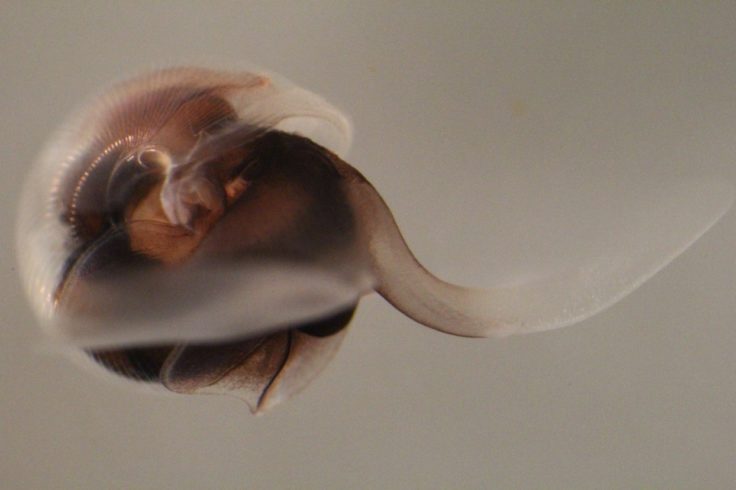
A project studying the impact of ocean acidification on pteropods, small shelled marine animals considered a sentinel species for ocean acidification.
The ASCCC Project investigates, quantifies and understands the role of polar and subpolar seabeds in the carbon cycle, particularly in response to climate change.