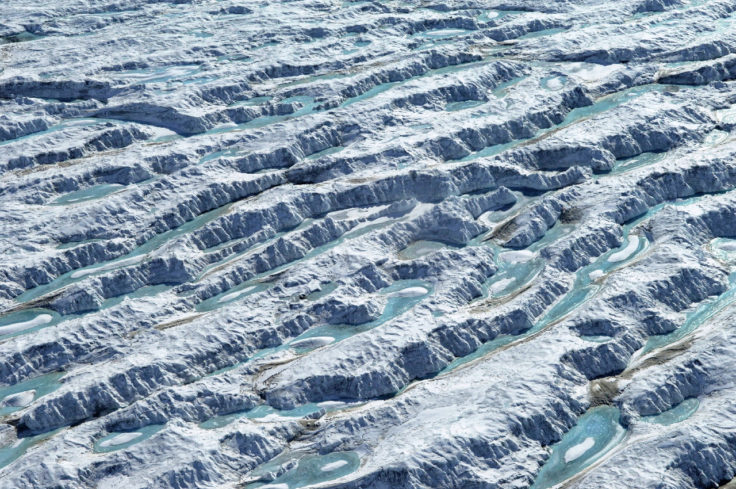
New high-precision map of Antarctica’s bed topography
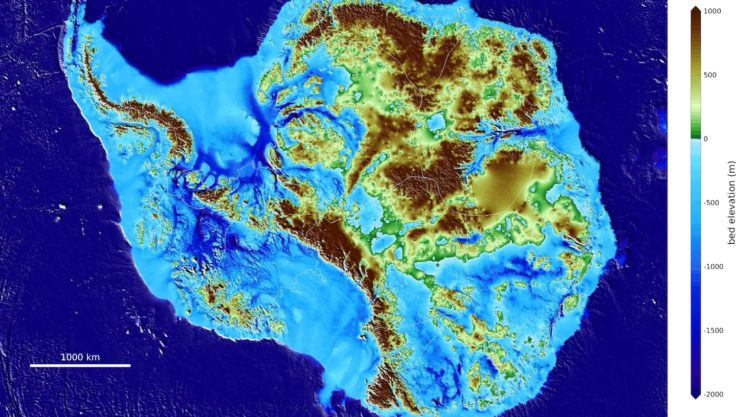
A team of glaciologists has unveiled the most accurate portrait yet of the contours of the land beneath Antarctica’s ice sheet – and, by doing so, has helped identify which […]

13 to 24 of 35 results
A team of glaciologists has unveiled the most accurate portrait yet of the contours of the land beneath Antarctica’s ice sheet – and, by doing so, has helped identify which […]
Water entering the oceans from melting ice sheets could cause extreme weather and a change in ocean circulation not currently accounted for in global climate policies, a new study published […]
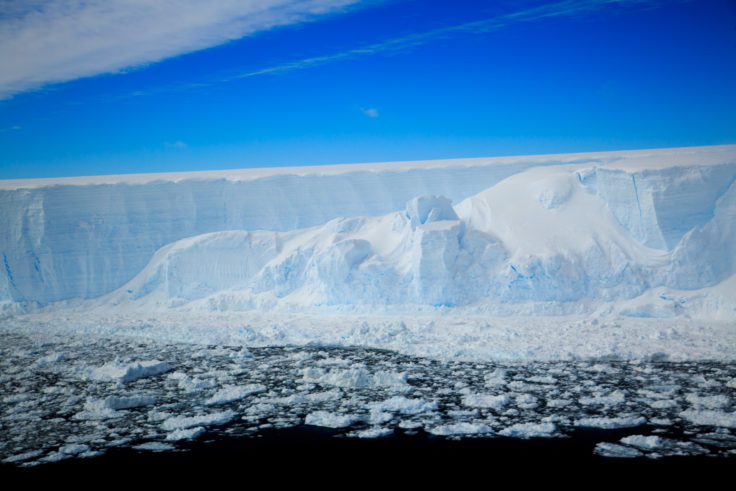
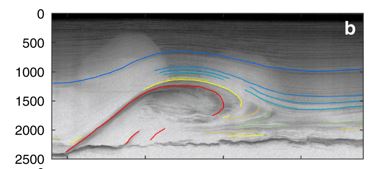
Fresh water freezing onto the bottom of the Greenland and Antarctic Ice Sheets leads to the formation of spectacular plume-shaped features, according to new research published today (7th November) in […]
Congratulations to Dr Emilie Capron who has been awarded the prestigious Early Career Scientist Award of the International Union of Geodesy and Geophysics (IUGG). Dr Capron is a palaeoclimatologist at British […]
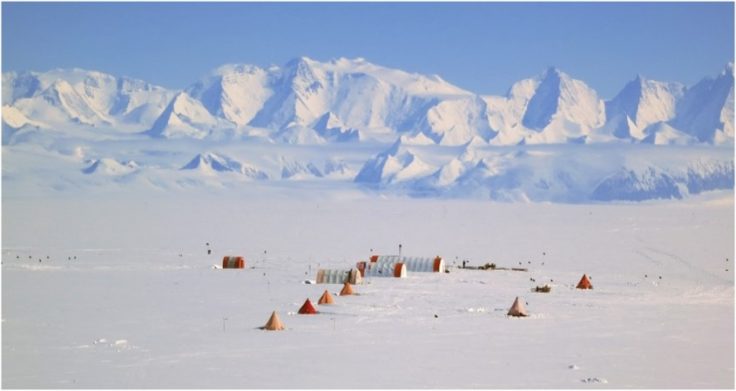
GHC will gather information about past ice sheet behaviour and relative sea level change in the Thwaites Glacier system. Determining the timing and magniture of past episodes of thinning and retreat and subsequent re-advance is important to provide a context for the current and future behaviour of Thwaites Glacier.
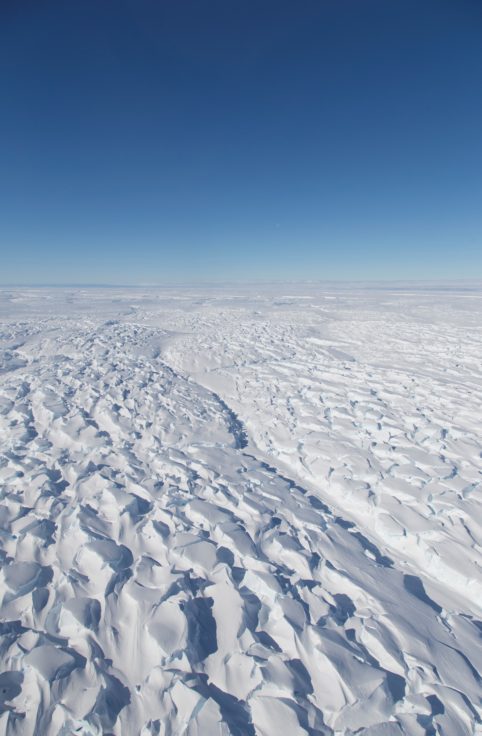
A UK team of researchers has produced high-resolution maps of the bed beneath a major glacier in West Antarctica, which will help them predict future sea-level rise from this region. […]
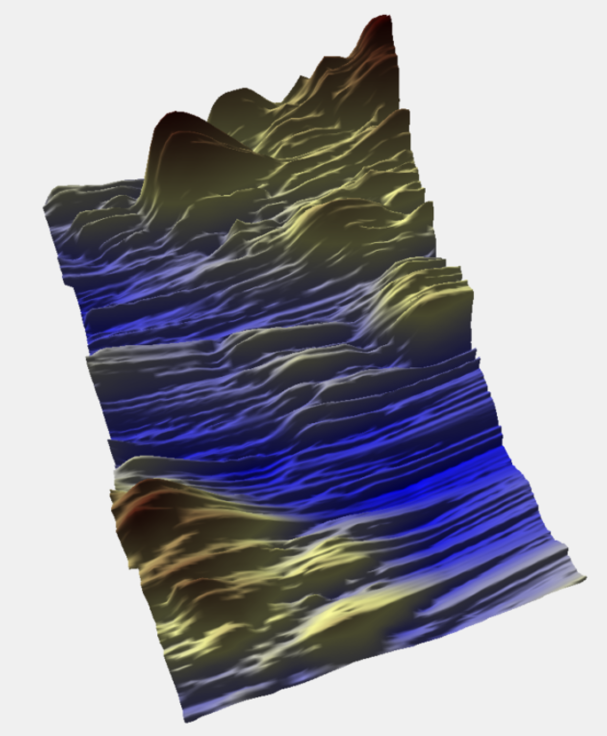
An international team of scientists, led by British Antarctic Survey (BAS), has produced a new map showing how much heat from the Earth’s interior is reaching the base of the […]
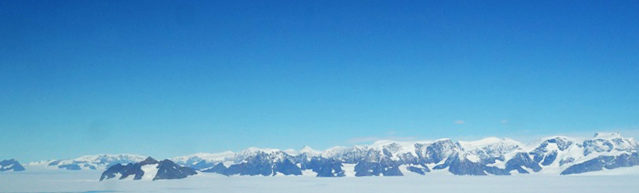
Wind-driven incursions of warm, deep water forced the retreat of West Antarctic glaciers from the end of the last ice age until 7,500 years ago and since the 1940s. These […]
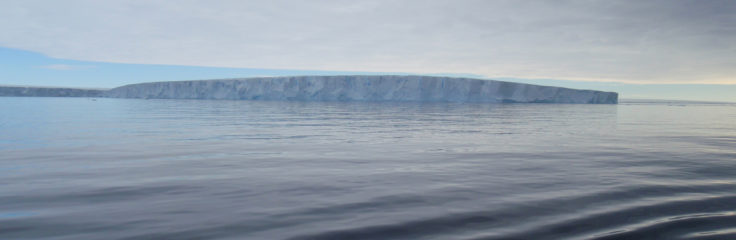
Latest satellite images reveal a new 100-square-mile iceberg emerging from Antarctica’s Pine Island Glacier. The calving event did not come as a complete surprise, but is a troubling sign with […]
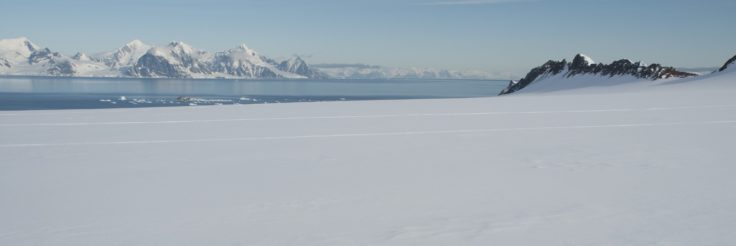
Reporting this week (Wednesday 5 July) in the journal Nature, an international team of researchers led by British Antarctic Survey (BAS) explains that wind-driven incursions of warm water forced the […]
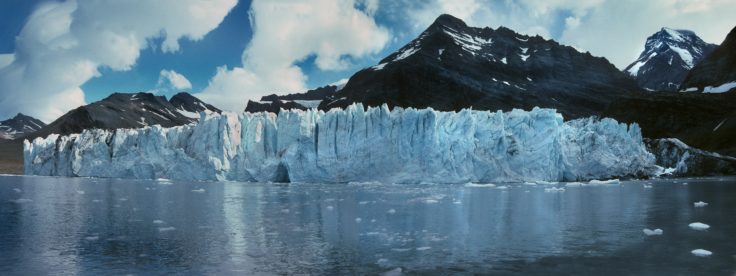
A new study reveals the sub-antarctic island of South Georgia – famous for its wildlife – was covered by a massive ice cap during the last ice age. The results […]
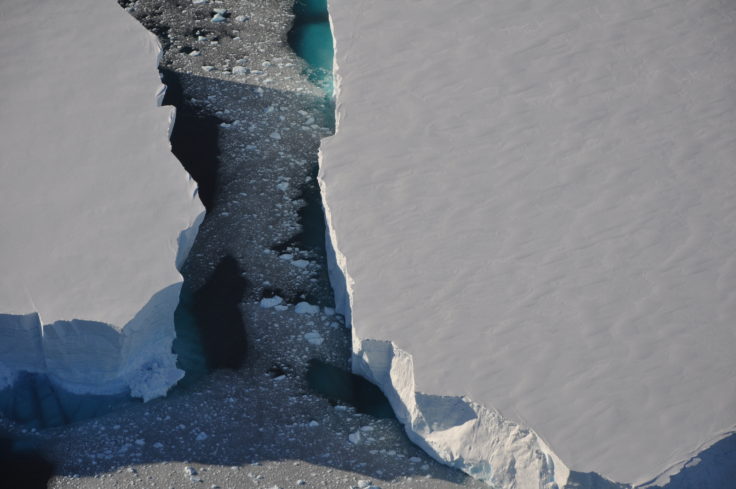
MIDAS investigates how climate warming affects the Larsen C ice shelf in Antarctica. The project studies the formation of large summer melt ponds and their influence on ice shelf structure and stability. Fieldwork, satellite observation, and computer simulations are used to understand these processes.