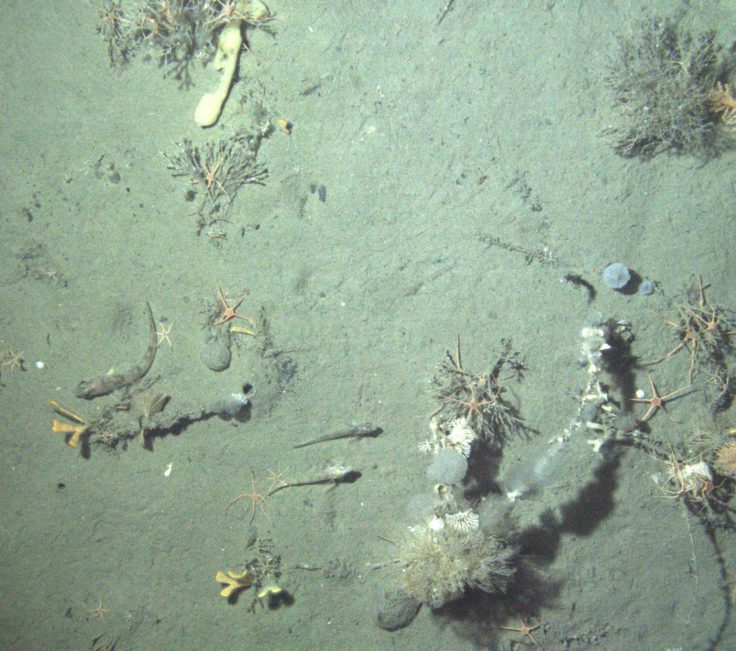
The evolution and ecology of Antarctic sea floor communities
Antarctic seafloor ecosystems are both unique and fragile. Studying their past and present gives us valuable insights into how climate change may reshape them.

7 of 7 results
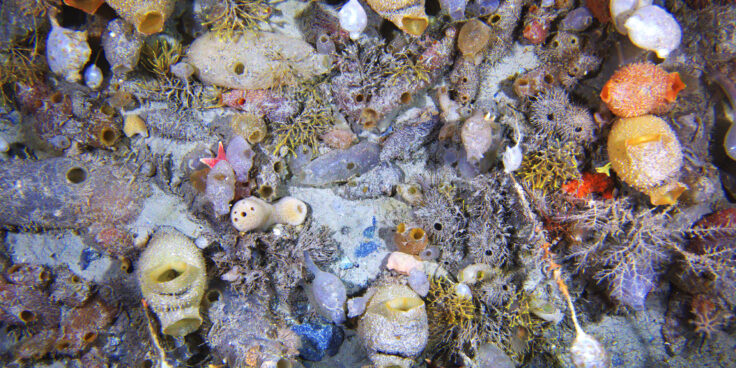
Antarctic seafloor ecosystems are both unique and fragile. Studying their past and present gives us valuable insights into how climate change may reshape them.
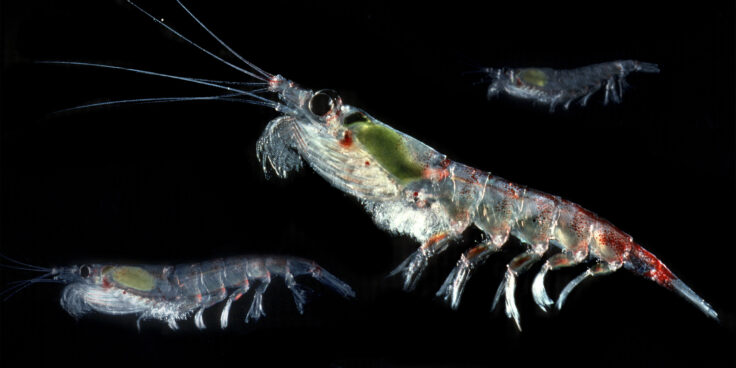
This project is improving our understanding of fish bycatch in the Antarctic krill fishery, to help support better management and conservation.
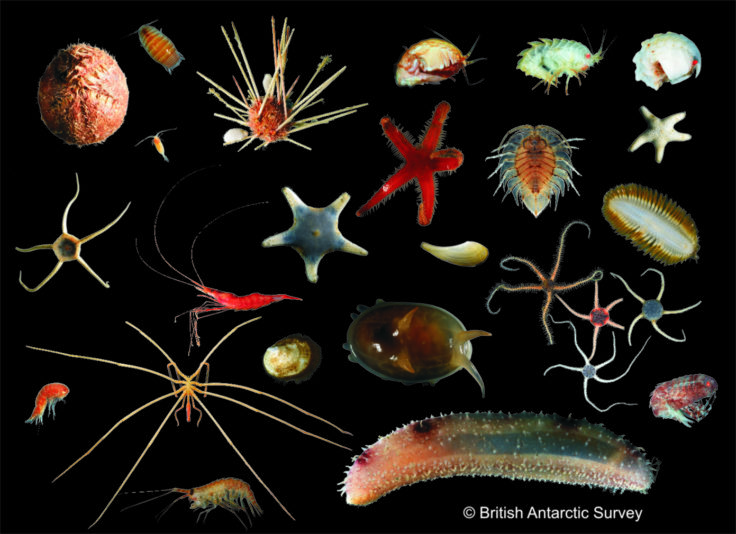
The Larsen-C Benthos project studied benthic biodiversity on the seabed exposed by the 2017 calving of the Larsen-C Ice Shelf.
A new study on mosses found in the polar regions reveals when and how often they have migrated across the Equator. Mosses are the dominant flora in Antarctica, yet little is known of […]
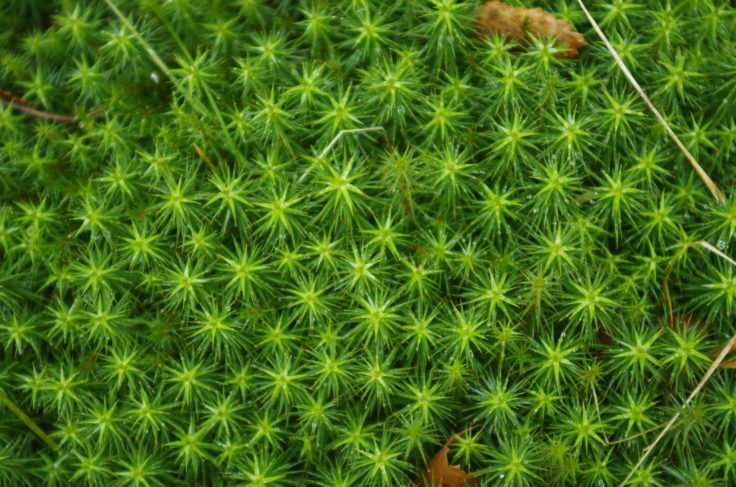
A new study describing how shellfish create their shells in response to their environment is published today (Wednesday 8 February) in the journal Royal Society Open Science. The shells of […]
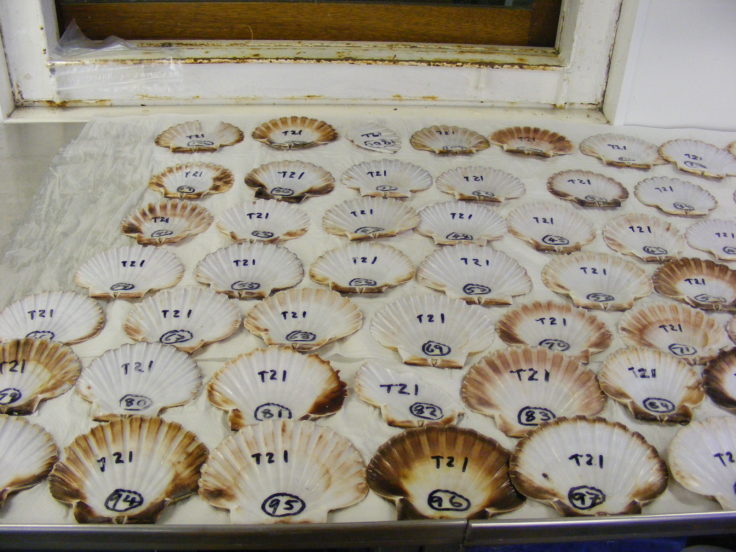
New technologies and techniques used in a scientific study of the shells of oysters, mussels, clams and scallops reveal clues about how these commercially valuable species may fare in a changing world, and how discarded shells from the aquaculture industry could benefit the environment.
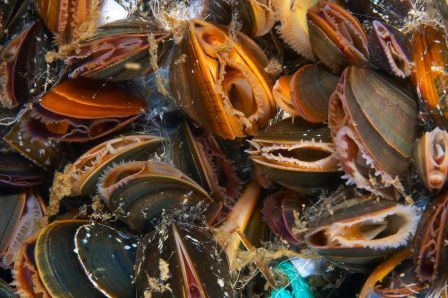
The ASCCC Project investigates, quantifies and understands the role of polar and subpolar seabeds in the carbon cycle, particularly in response to climate change.