DNA reveals unique microorganisms evolved at poles
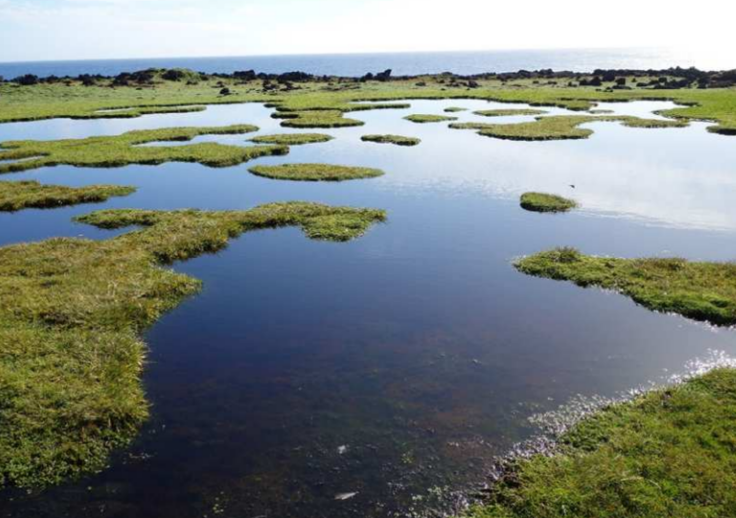
Communities of microorganisms at the bottom of polar lakes evolved independently from other regions, influenced by the particular geological, biological and climate history of their regions.

11 of 11 results
Communities of microorganisms at the bottom of polar lakes evolved independently from other regions, influenced by the particular geological, biological and climate history of their regions.
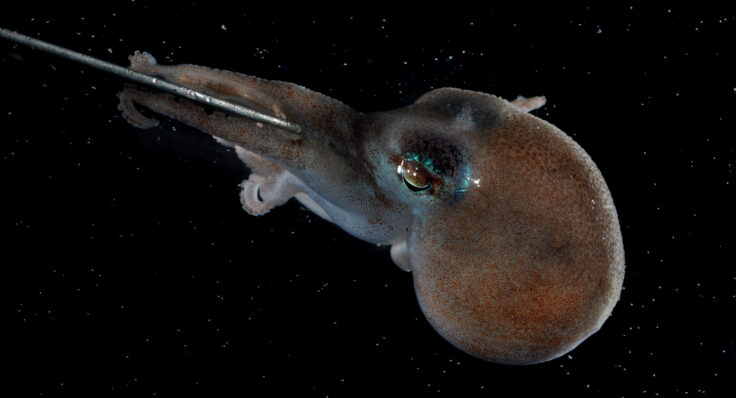
Scientists, including from British Antarctic Survey, have used octopus DNA to discover that the West Antarctic Ice Sheet (WAIS) likely collapsed during the Last Interglacial period around 120,000 years ago – when the global temperatures were similar to today.
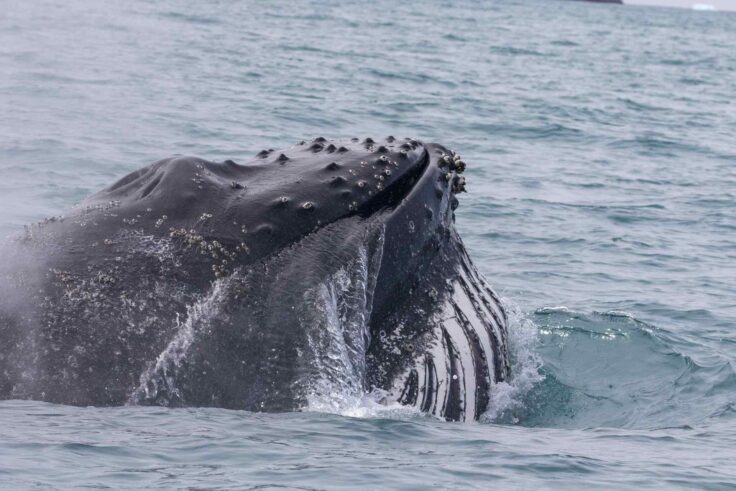
Hungry Humpbacks studied how humpback whales, the largest predators of krill in the region, fed at South Georgia.
CONSEC explores how climate change and human activity are transforming the Southern Ocean, guiding global science and conservation.
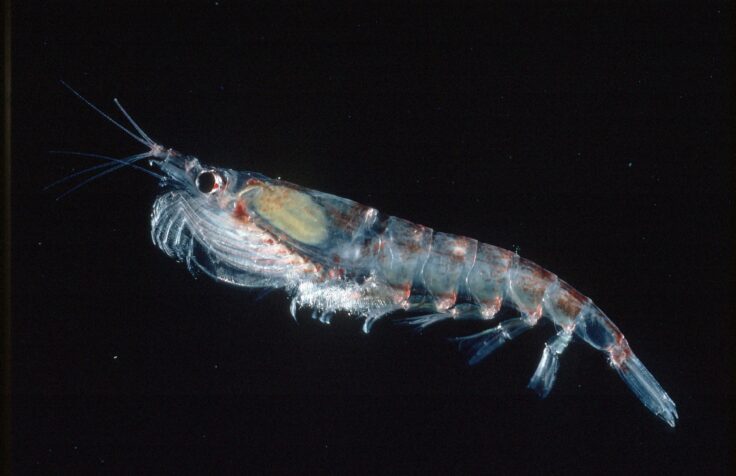
Global warming and ocean acidification are threatening marine organisms, such as corals, bryozoans, molluscs, sea urchins or crustaceans, that build their skeletons and shells with calcium carbonate (chalk) according to […]
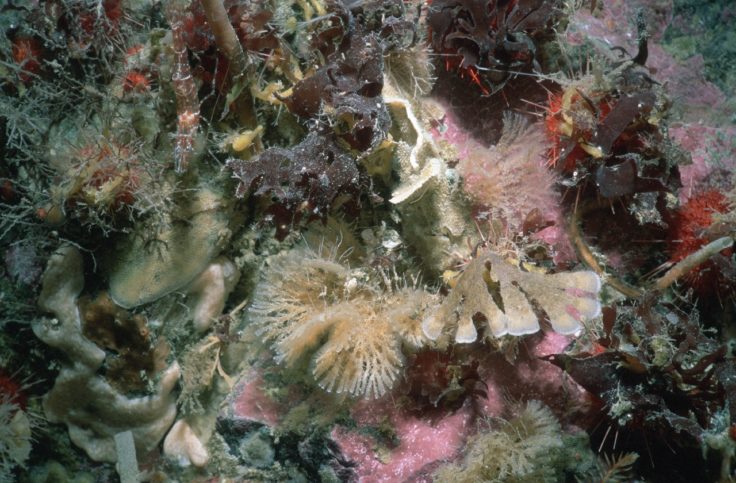
Scientists have reconstructed more than 60 million years of evolutionary history to reveal how penguins became oceanic birds. An international team of 40 researchers analysed the genomes – the complete […]
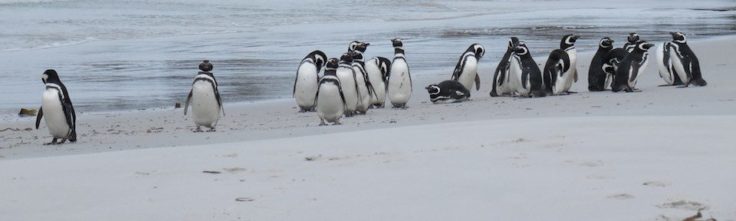
Scientists have conducted the first population study of penguins, seals and albatross using Unoccupied Aerial Vehicles (UAVs) or drones on the subantarctic South Georgia and the South Sandwich Islands to […]
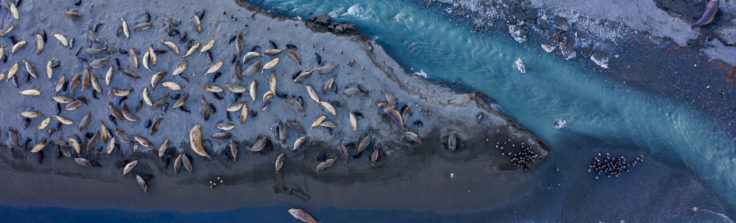
Scientists have discovered where a whale species that feeds around the sub-Antarctic island of South Georgia breeds during the winter months. This understanding of where the animals migrate from will […]
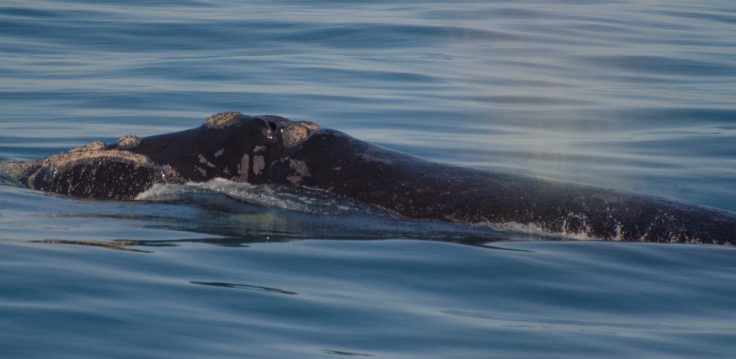
A new technique for analysing satellite images may help scientists detect and count stranded whales from space. Researchers tested a new detection method using Very High Resolution (VHR) satellite images […]
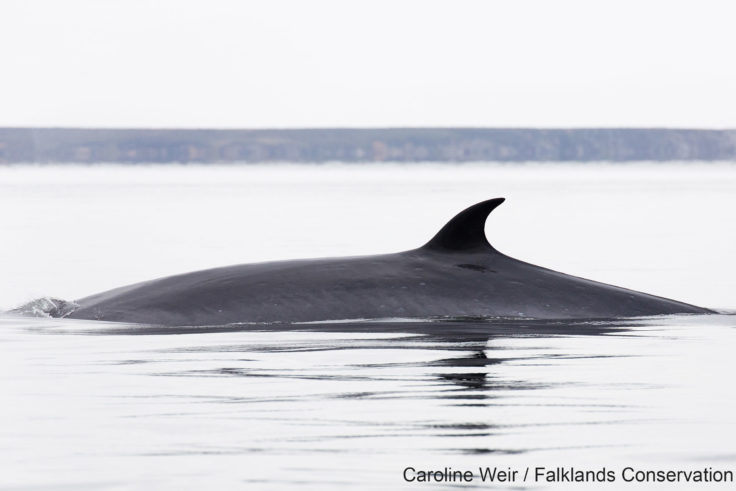
The populations of wandering, black-browed and grey-headed albatrosses have halved over the last 35 years on sub-antarctic Bird Island according to a new study published today (20 November) in the […]
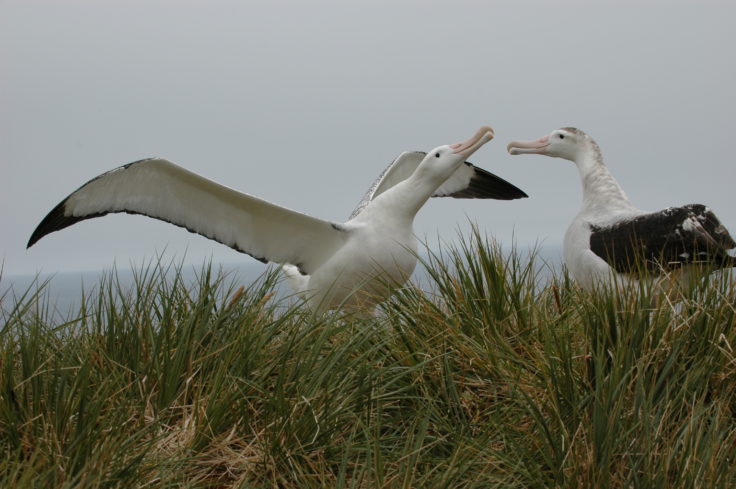
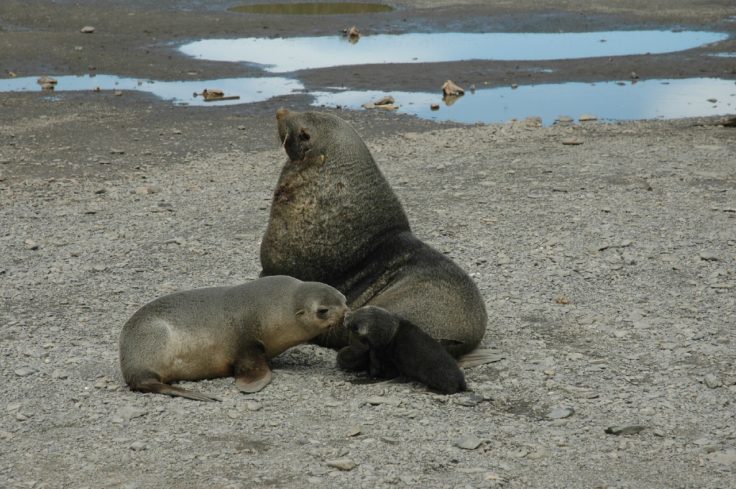
Genetic study shows major impact of climate change on Antarctic fur seals Genetic analysis of Antarctic fur seals, alongside decades of in-depth monitoring,* has provided unique insights into the effect […]