South Georgia Right Whale project – Whale Tracking
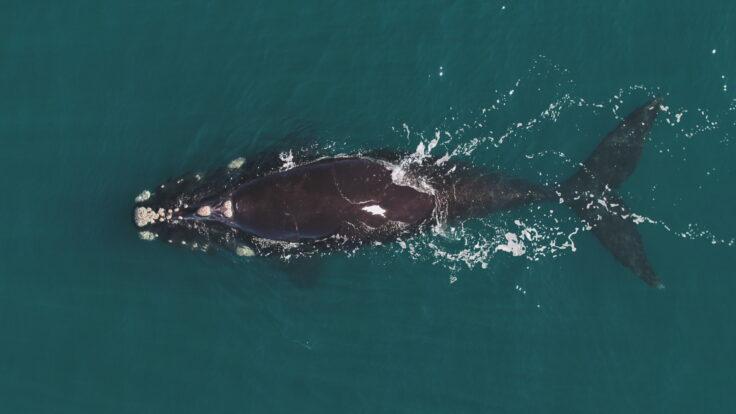
The British Antarctic Survey whale research team at King Edward Point have been studying whale movements and patterns of habitat use in South Georgia waters. South Georgia was at the […]

37 to 48 of 64 results
The British Antarctic Survey whale research team at King Edward Point have been studying whale movements and patterns of habitat use in South Georgia waters. South Georgia was at the […]
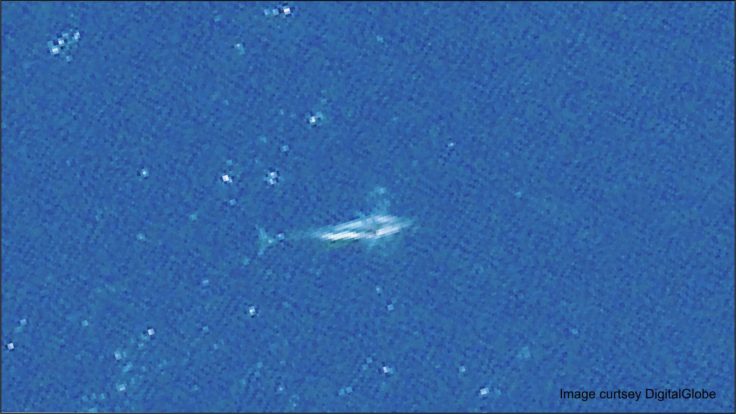
Scientists have used detailed high-resolution satellite images provided by Maxar Technologies’ DigitalGlobe, to detect, count and describe four different species of whales. Reported this week in the journal Marine Mammal […]
Science meetings of the Commission for the Conservation of Antarctic Marine Living Resources (CCAMLR) take place over the next two weeks (starting 2 July 2018) at the Cambridge Headquarters of […]

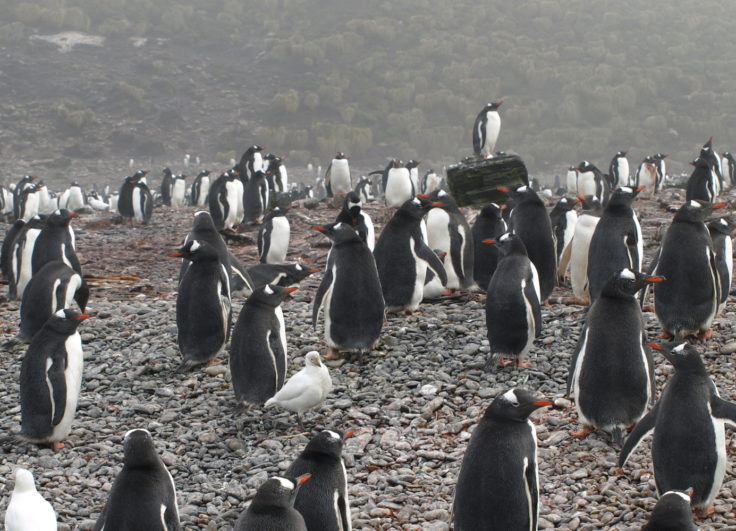
This project tracked 16 gentoo penguins using satellite transmitters to examine overlaps in the distribution of penguin foraging and krill catches, and the dependence of penguins on krill for food during winter.
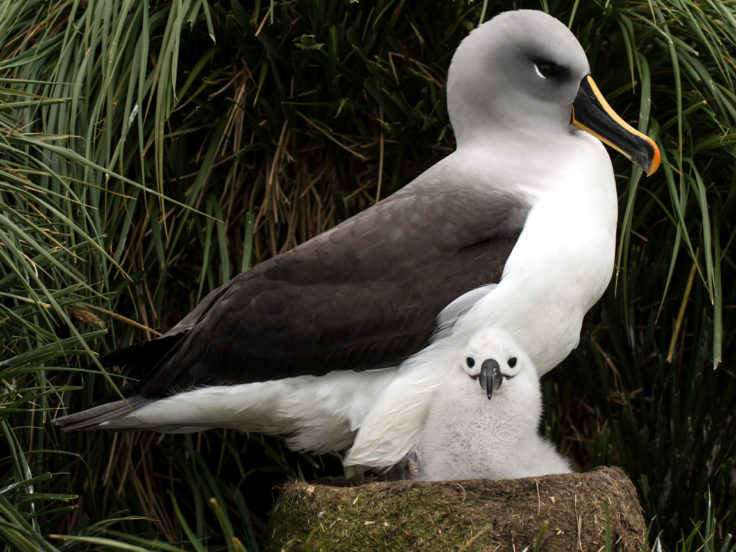
This project maps the movements and foraging areas of juvenile albatross in order to determine the overlap with fisheries, and assesses the survival rate of juveniles in the initial weeks and months after they fledge.
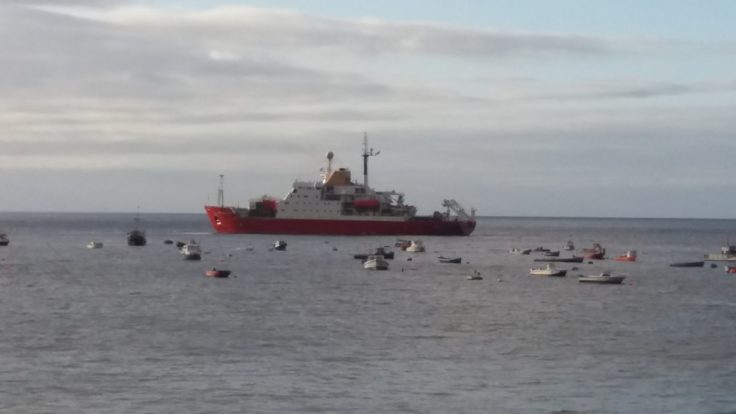
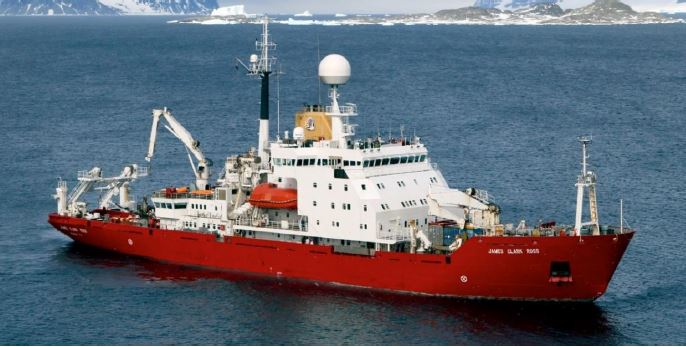
A team of scientists on board the RRS James Clark Ross (JCR) has conducted marine biodiversity research around the Island of St Helena with a team of UK based and […]
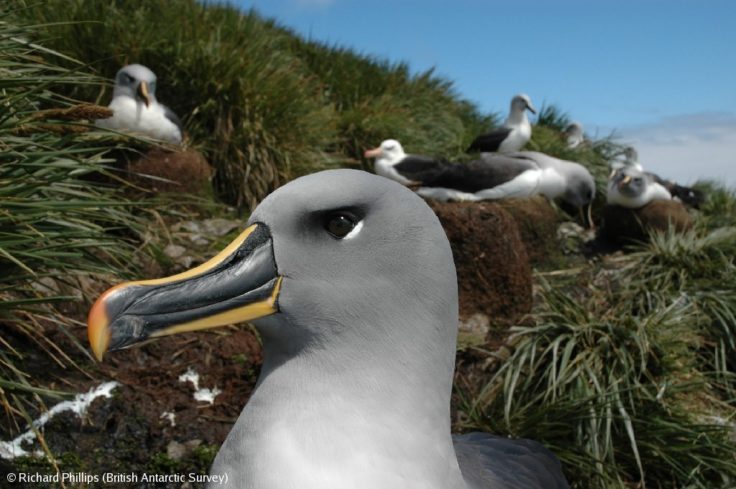
Seabirds may struggle to find food for their chicks as they are unable to shift their breeding seasons as the climate warms, a new study suggests. Rising sea temperatures in […]
This three-year project aims to leave a legacy of robust information about the marine ecosystem as well as oceanographic and food web modelling that will provide the scientific information necessary to develop policies to manage marine ecosystem resources, especially those relating to food security and eco-tourism.
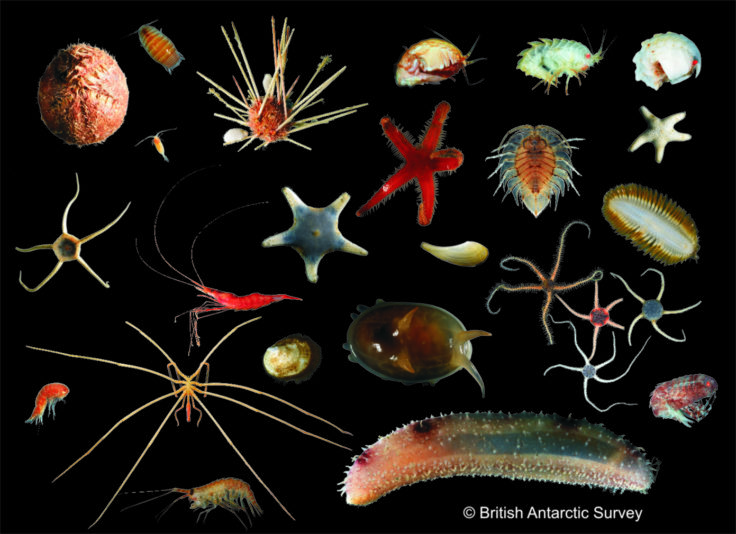
The Larsen-C Benthos project studied benthic biodiversity on the seabed exposed by the 2017 calving of the Larsen-C Ice Shelf.
Higher Predators carries out long-term science to measure changes in Antarctic ecosystems. The aim is to understand the processes that drive these changes.
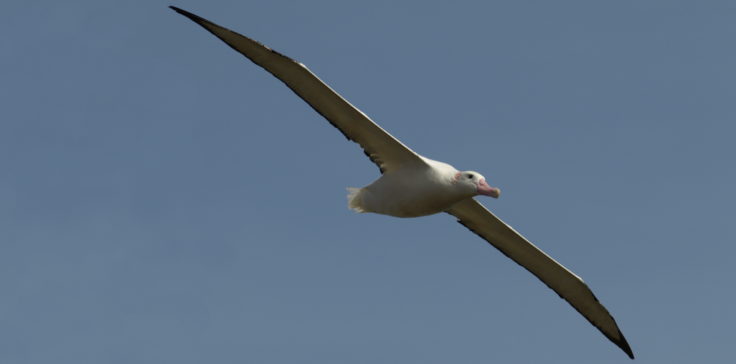
A new study of the marine invertebrates living in the seas around Antarctica reveals there will be more ‘losers’ than ‘winners’ over the next century as the Antarctic seafloor warms. […]
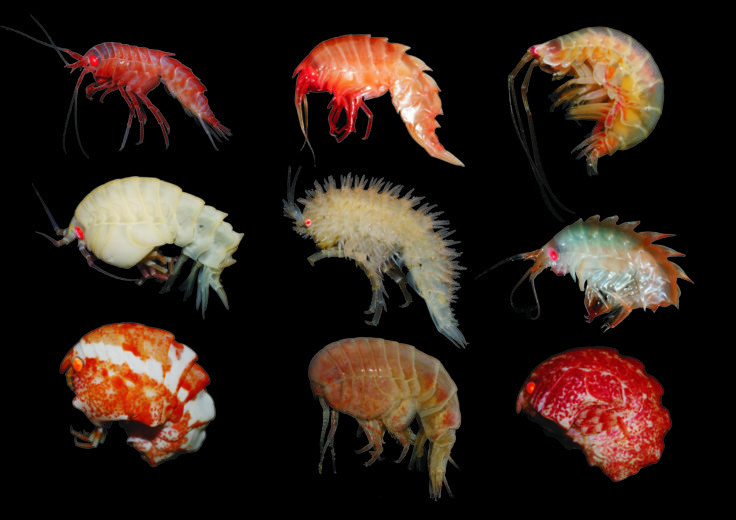
In this collaboration with the Natural History Museum (NHM) and the University of Liverpool, we have developed novel methods for using existing data to contribute to marine conservation and fisheries […]
