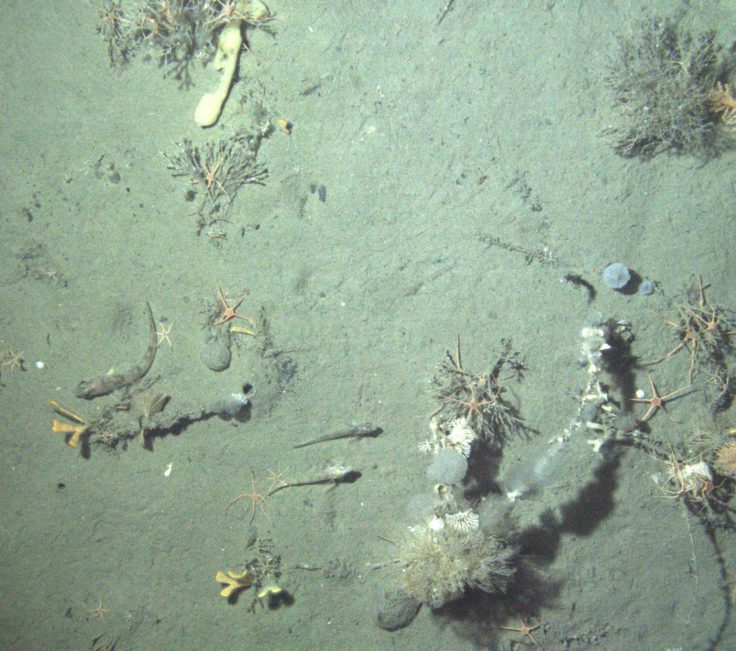
The evolution and ecology of Antarctic sea floor communities
Antarctic seafloor ecosystems are both unique and fragile. Studying their past and present gives us valuable insights into how climate change may reshape them.

12 of 12 results
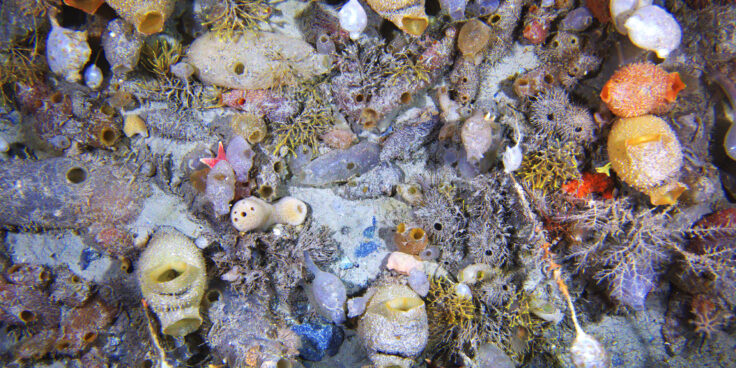
Antarctic seafloor ecosystems are both unique and fragile. Studying their past and present gives us valuable insights into how climate change may reshape them.
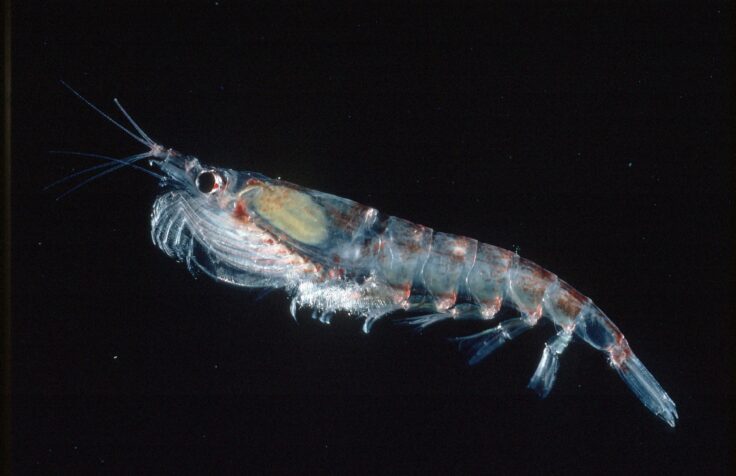
CONSEC explores how climate change and human activity are transforming the Southern Ocean, guiding global science and conservation.
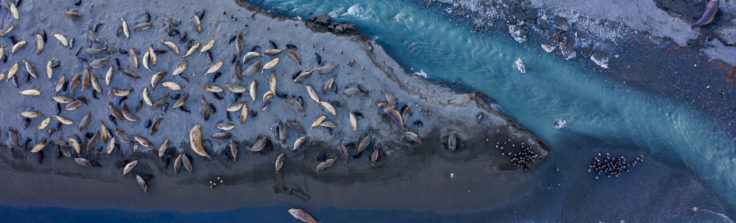
This project introduced fixed-wing drone surveys at South Georgia to monitor wildlife population changes driven by climate change and recovering seal, whale and finfish populations.
Of the known non-native or ‘alien’ species found in Antarctica, a non-biting species of midge currently presents one of the highest risks to terrestrial ecosystems, researchers have found. The preliminary […]
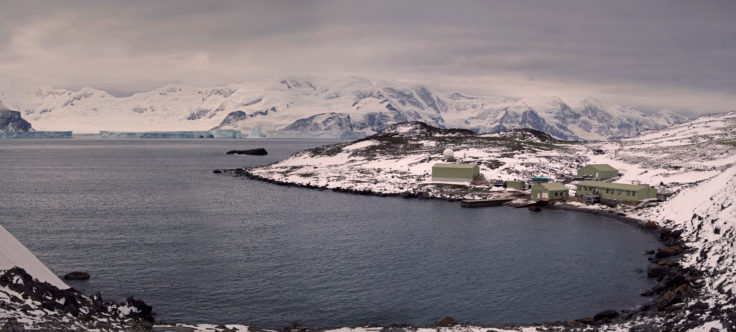
A team of scientists on board the RRS James Clark Ross (JCR) has conducted marine biodiversity research around the Island of St Helena with a team of UK based and […]
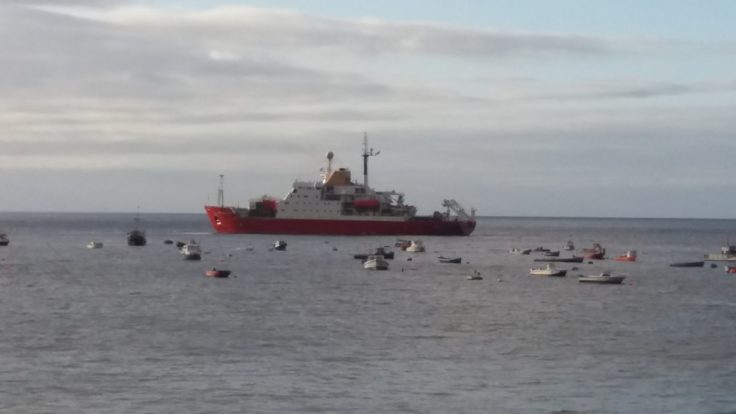
This three-year project aims to leave a legacy of robust information about the marine ecosystem as well as oceanographic and food web modelling that will provide the scientific information necessary to develop policies to manage marine ecosystem resources, especially those relating to food security and eco-tourism.
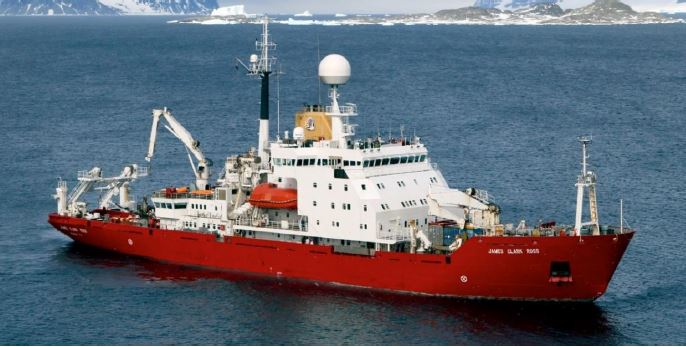
The UK government is committed to the long-term protection of over four million km2 of the world oceans which fall within the UK’s Overseas Territories. Prioritising which parts of the […]
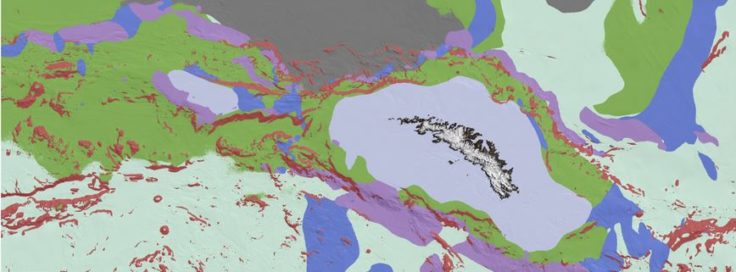
SCOOBIES makes long-term observations of key Earth system indicators in the Southern Ocean. These observations are vital for both UK and global science.
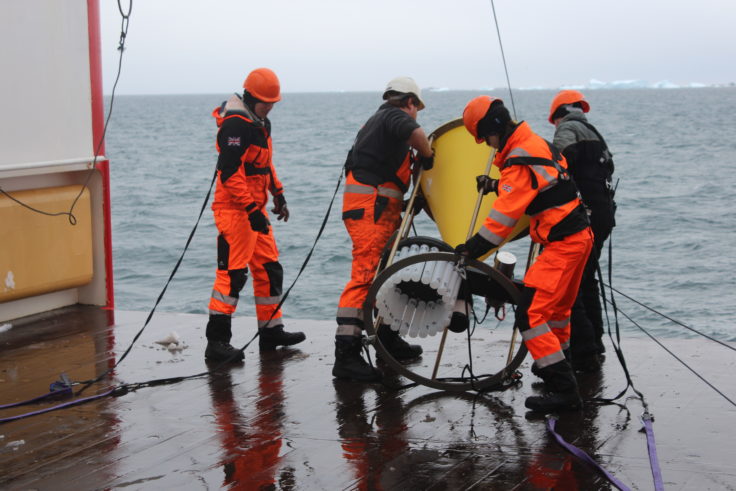
In this collaboration with the Natural History Museum (NHM) and the University of Liverpool, we have developed novel methods for using existing data to contribute to marine conservation and fisheries […]

Continuous Plankton Recorder collected long-term data on plankton in the Southern Ocean which sit at the base of the food chain and are very sensitive to change.
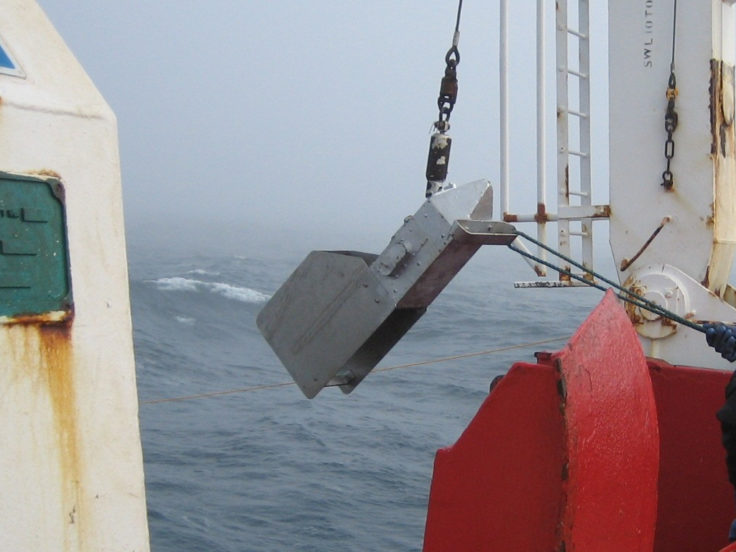
SO-AntEco was a British Antarctic Survey (BAS) led expedition undertaken in conjunction with an international team of scientists from the Scientific Committee for Antarctic Research (SCAR) AntEco research programme.

The ASCCC Project investigates, quantifies and understands the role of polar and subpolar seabeds in the carbon cycle, particularly in response to climate change.