Antarctic species in the face of a changing ocean
A new study reveals how marine life around Antarctica will fare in an ocean which has declining levels of oxygen. Writing in the journal Philosophical Transactions of the Royal Society […]

13 to 24 of 26 results
A new study reveals how marine life around Antarctica will fare in an ocean which has declining levels of oxygen. Writing in the journal Philosophical Transactions of the Royal Society […]
An international team of scientists heads to Antarctica this week (4 February 2019) to investigate a mysterious marine ecosystem that’s been hidden beneath an Antarctic ice shelf for up to […]
This project tracked 16 gentoo penguins using satellite transmitters to examine overlaps in the distribution of penguin foraging and krill catches, and the dependence of penguins on krill for food during winter.
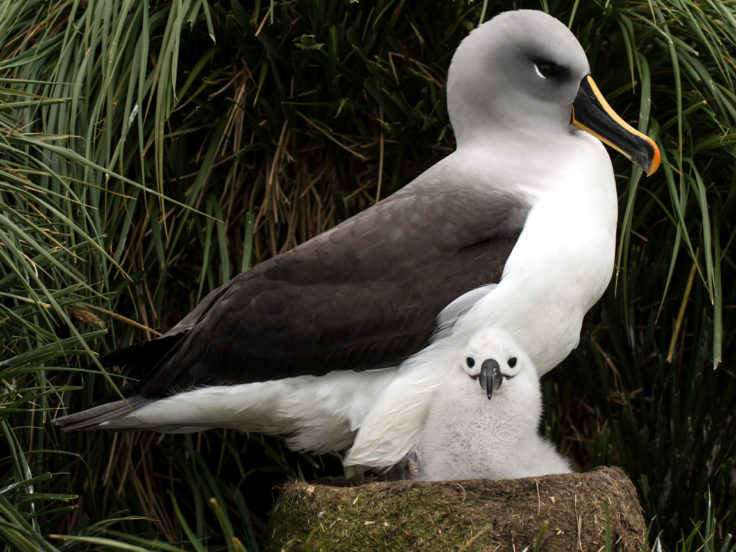
This project maps the movements and foraging areas of juvenile albatross in order to determine the overlap with fisheries, and assesses the survival rate of juveniles in the initial weeks and months after they fledge.
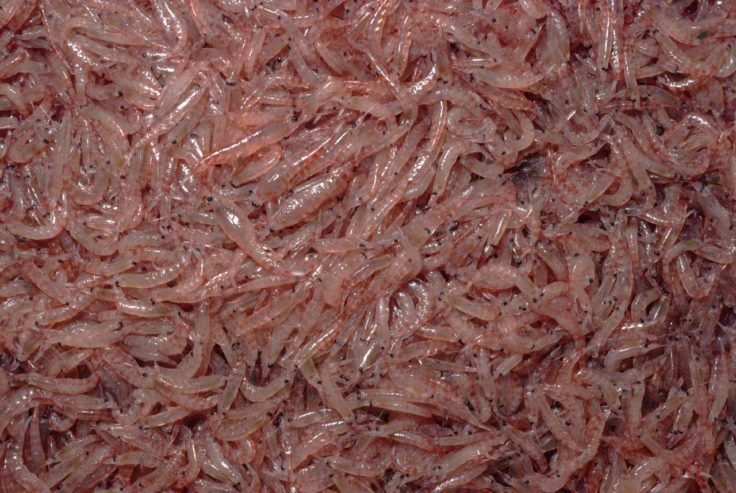
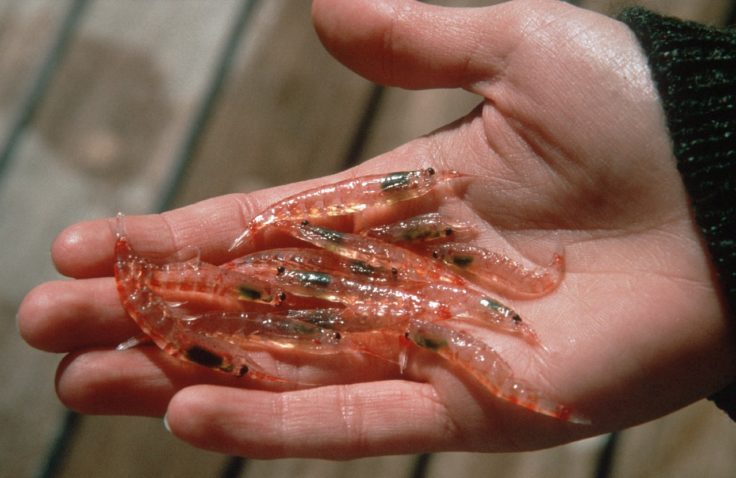
A new study shows that Antarctic krill behave in a way that could accelerate the transport of atmospheric carbon to the deep ocean. Antarctic krill form some of the highest […]
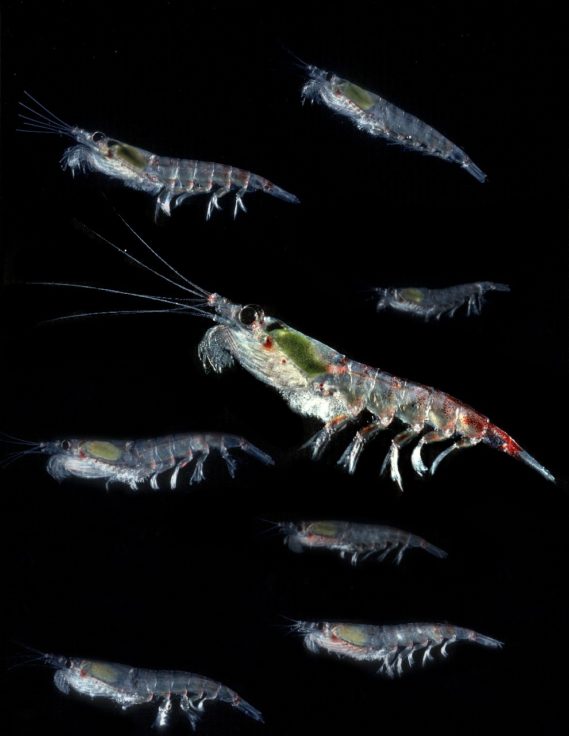
An international study involving British Antarctic Survey (BAS) scientists has shed light on how the larvae of Antarctic krill – small shrimp-like crustaceans – use sea ice to ensure their […]
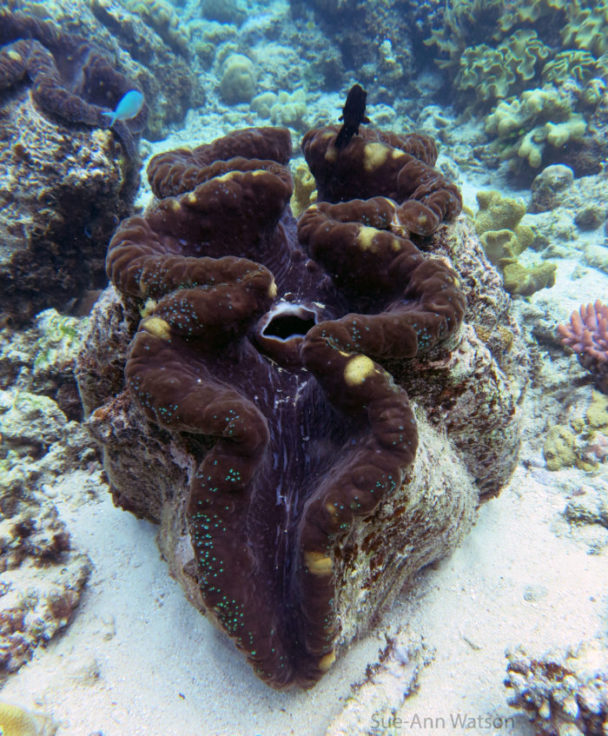
For nearly 50 years, researchers have been stumped as to why sea shells from warm tropical waters are comparatively larger than their cold water relatives. New research, led by the […]
Scientists have discovered that Antarctic krill – a tiny shrimp-like crustacean – plays a key role in fertilising the Southern Ocean with iron, which stimulates the growth of phytoplankton, the […]
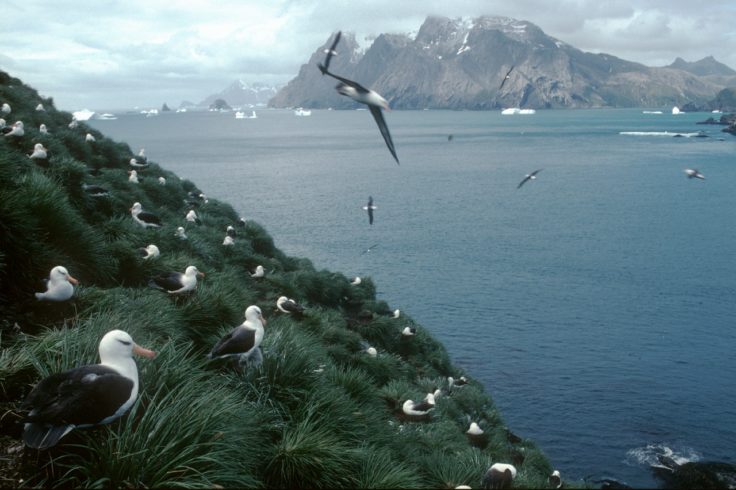
A new study of the movements of sub-Antarctic albatrosses tracked from two remote islands some 5,000 km apart, shows that although the birds from each breeding site take similar routes around the Southern Ocean, they forage in different areas for the majority of the time. The results are published this month in the Nature journal Scientific Reports.
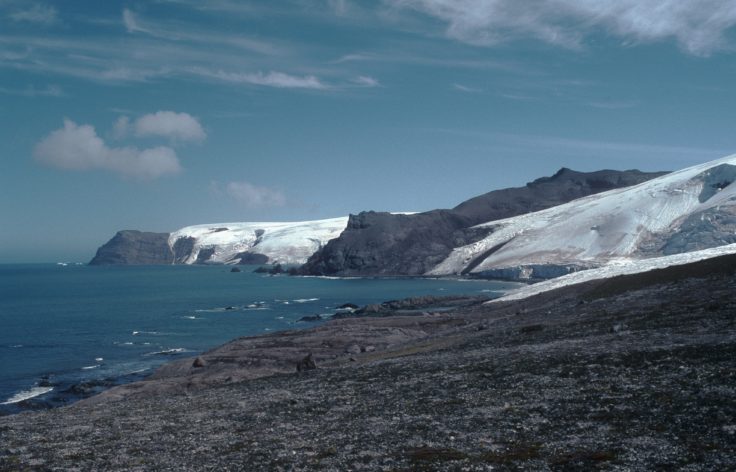
A new study by an international team of scientists, including from British Antarctic Survey (BAS), has analysed the effects on seabed communities of glacial retreat. Writing in Science Advances this […]
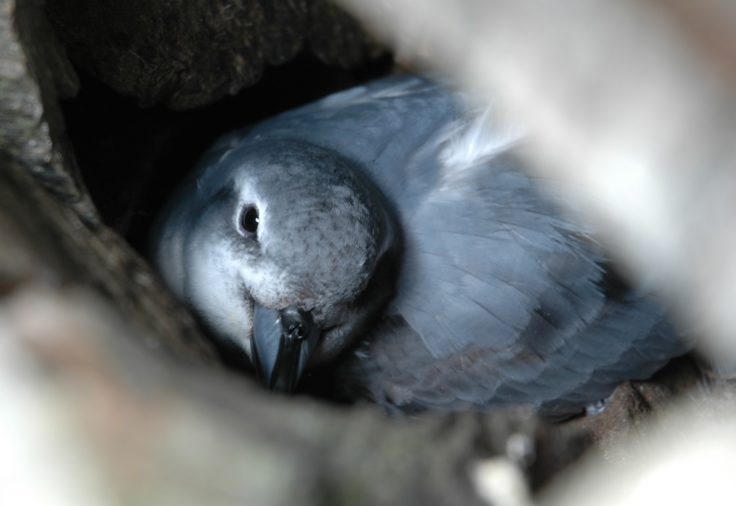
New study uncovers how petrels in sub-Antarctic co-exist during the winter For the first time, scientists understand more clearly how birds living on the remote sub-Antarctic island of Bird Island […]
Rise and fall of prehistoric penguin populations charted The British Antarctic Survey has been involved in a study of how penguin populations have changed over the last 30,000 years. This […]