Carbon capture by Antarctic seabeds
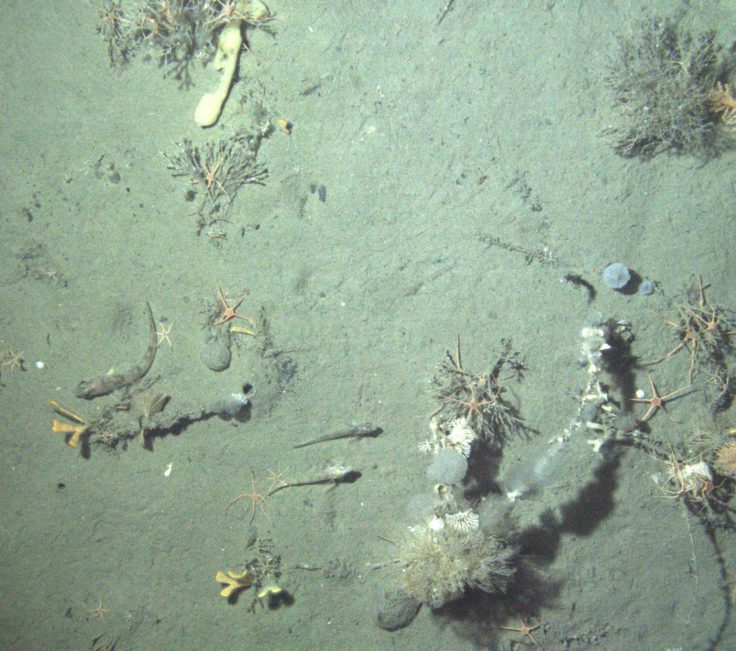
The ASCCC Project investigates, quantifies and understands the role of polar and subpolar seabeds in the carbon cycle, particularly in response to climate change.

37 to 45 of 45 results
The ASCCC Project investigates, quantifies and understands the role of polar and subpolar seabeds in the carbon cycle, particularly in response to climate change.
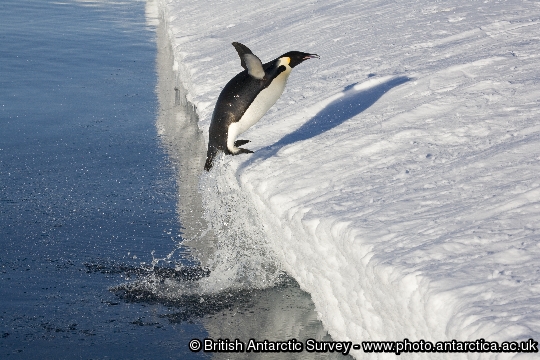
Survival of the fittest – genetics reveals where emperor penguins survived the last ice age During the last ice age, when much of the Antarctic coastline was uninhabitable due to […]
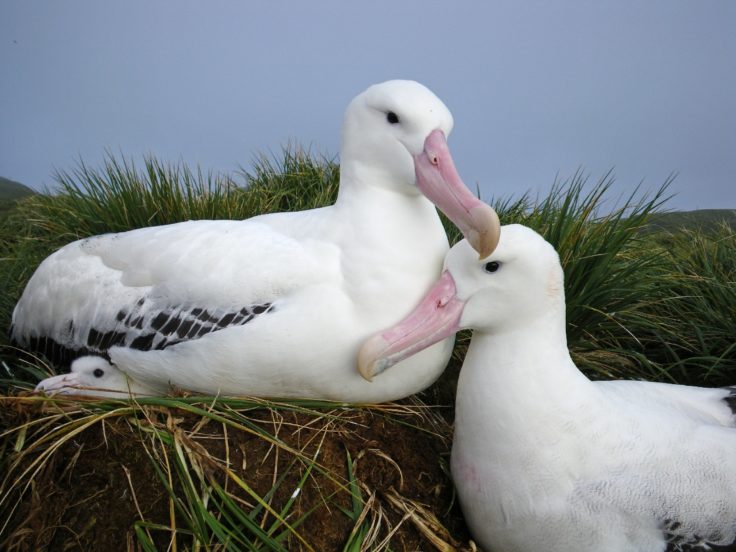
Does age matter? Maybe not if you’re a wandering albatross A new study of the wandering albatrosses breeding on the sub-antarctic island of Bird Island (off South Georgia) reveals that […]
New research using satellite images reveals that emperor penguins are more willing to relocate than previously thought A new study led by the University of Minnesota offers new insights on […]
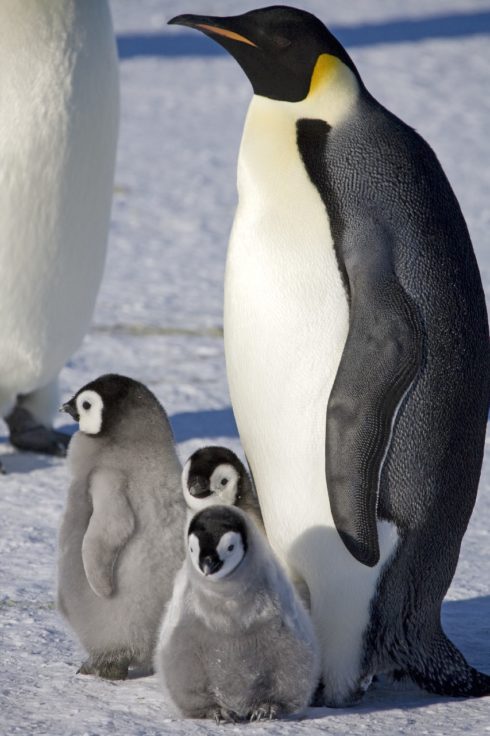
Electronic tags provide 10 years worth of penguin data A team of scientists, led by researchers from the British Antarctic Survey, has used tiny electronic tags to study the decline […]
Satellites help spot whales Scientists have demonstrated how new satellite technology can be used to count whales, and ultimately estimate their population size. Using Very High Resolution (VHR) satellite imagery, […]

Antarctic emperor penguins may be adapting to warmer temperatures A new study of four Antarctic emperor penguin colonies suggest that unexpected breeding behaviour may be a sign that the birds […]
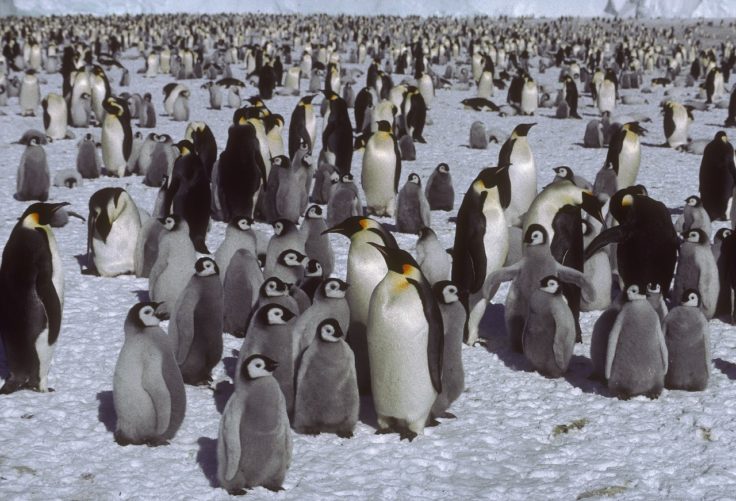
Age matters to Antarctic clams A new study of Antarctic clams reveals that age matters when it comes to adapting to the effects of climate change. The research provides new […]
Albatross camera reveals fascinating feeding interaction with killer whale Scientists from British Antarctic Survey, National Institute of Polar Research (NIPR), Tokyo, and Hokkaido University, Japan, have recorded the first observations […]