
Our starting point
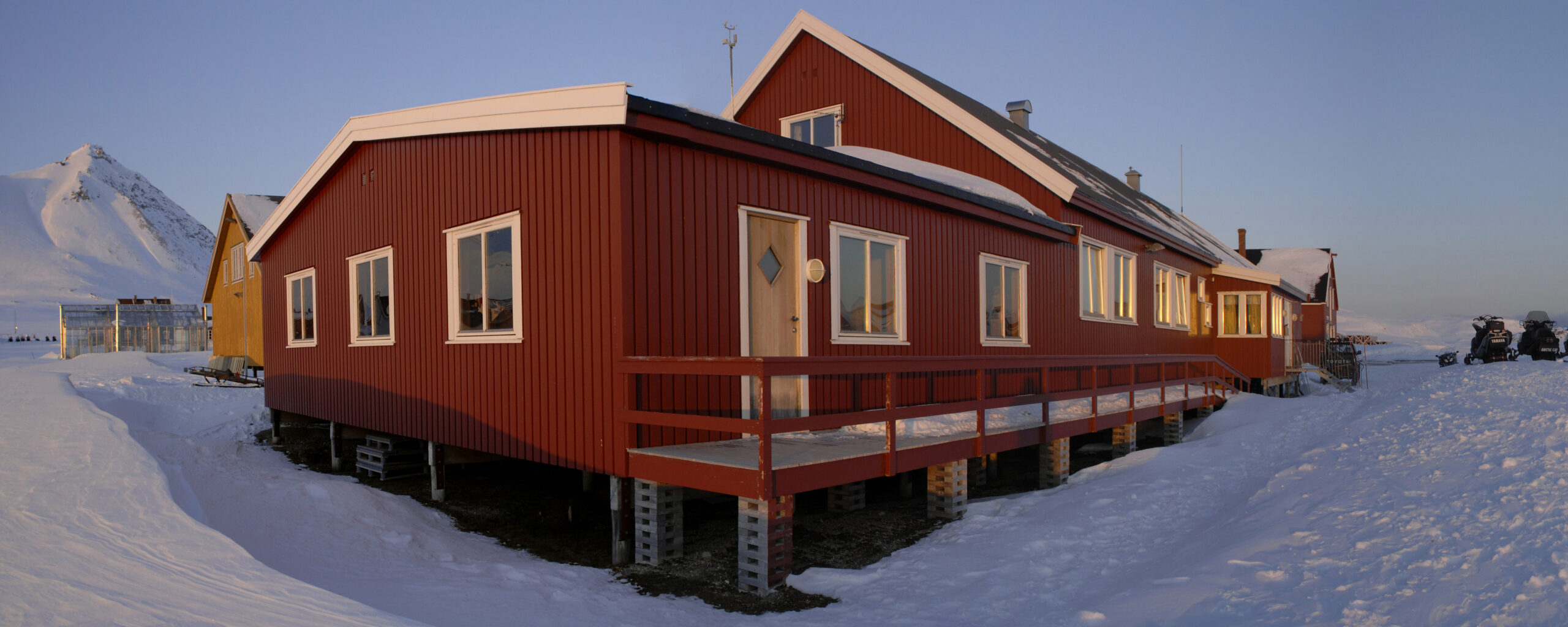
The polar regions, and Earth’s other snow-covered mountain ranges sustain people’s livelihoods and ways of life.
But changes in ice and seasonal snow threaten essential water supplies, raising the risk of drought and conflict over water.
For example:
-
Arctic sea ice supports local communities and sustains the health of the regional environment
-
meltwater from mountain glaciers and seasonal snow sustains hundreds of millions of people in the High Asia region (Himalayas), providing hydropower, essential drinking water, and watering crops
-
Antarctica supports a thriving fishing industry and also holds unexplored opportunities for industrial processes and medicine
The Arctic Ocean may soon be ice-free in summer. Glaciers and snow cover in Asia’s mountains are retreating at unprecedented rates.
Over-fishing and climate change are already impacting the world’s fish stocks. Reduced sea ice will open new waters. So policy-makers urgently need data to manage polar fisheries sustainably.
The role of British Antarctic Survey (BAS) is to provide the evidence society needs to adapt to these changes in the world’s frozen environments.
Cold catalysts
Proteins and enzymes can act as a catalyst for industrial processes e.g. yeast in baking.
There is growing interest in cold-adapted enzymes. Running processes at lower temperatures could reduce energy use and carbon emissions.
The world also needs new antimicrobials to make antibiotic medicines. Resistance to antibiotics is expected to kill 10 million people per year by 2050. Antarctica may have yet-to-be discovered new antimicrobials.
Our science
BAS scientists work to understand and manage these changes. We:
-
partner with Arctic indigenous communities to study climate impacts on their lives
-
use airborne radar to measure Himalayan glacier meltwater resources
-
apply a ‘whole ecosystem’ approach to Antarctic fisheries, studying predators, and prey together
-
identify beneficial cold-adapted enzymes and proteins
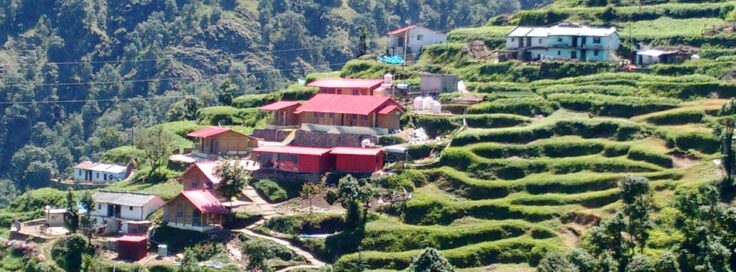
Traditional terrace farming in the Himalayas, a process heavily impacted by water availability (Credit: Siddharth Gumber)
Our research contributions
-
assess Arctic challenges including sea ice loss and industrialization
-
predict future meltwater from mountain glaciers using advanced observations and models
-
support sustainable fisheries management and understand impacts on carbon and nutrient cycles
-
identify cold-adapted enzymes for food production, industrial processes, cryopreservation, and medicine