Glacial Processes Satellite

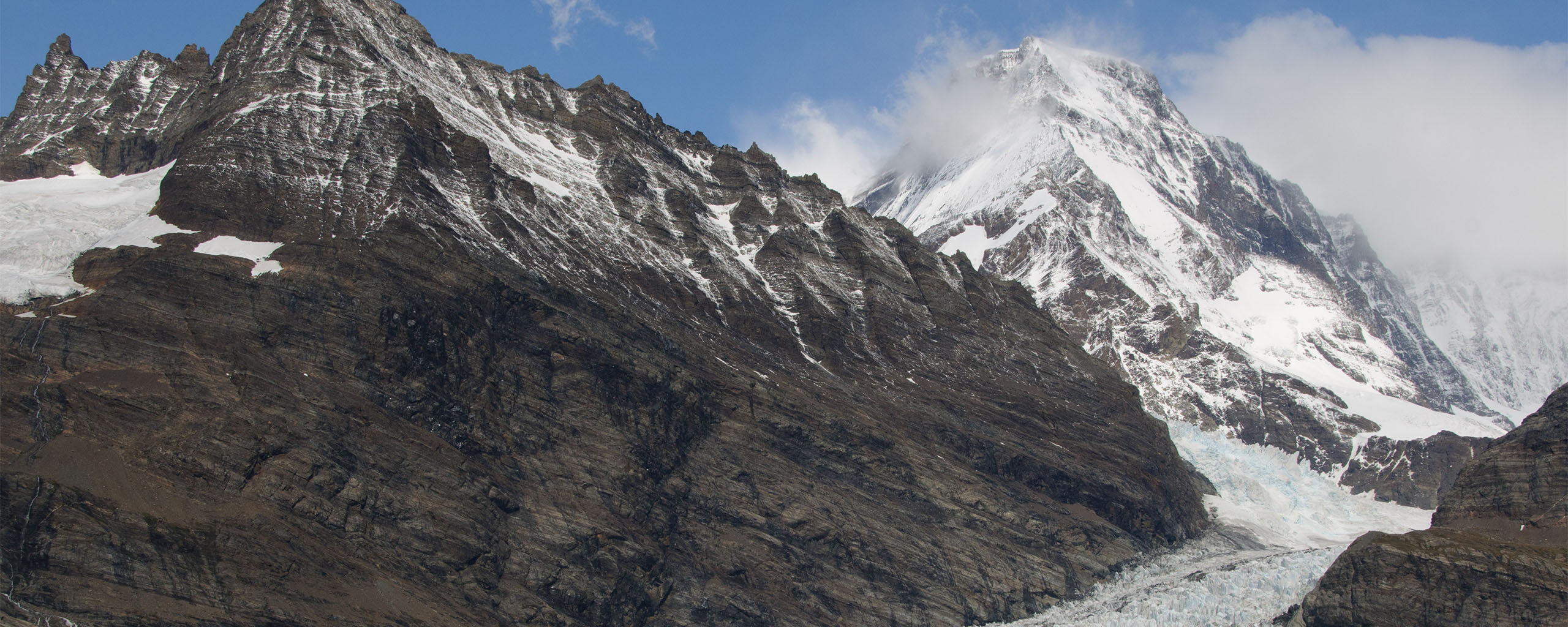
The Big Thaw is a UKRI/NERC-funded project that studies past, present, and future changes in global mountain water resources.
It focuses on snow and ice accumulation and melt in the European Alps, the Himalayas and North America’s Rocky Mountains.
Researchers are using a suite of novel and carefully targeted field measurements from key mountain sites to challenge and improve the skill of advanced weather, water and glacier models. These improved models help to explain the physical processes at work, to map water resources over whole mountain ranges, and to forecast how they will change in the future.
The Big Thaw helps to:
Mountain snow and ice support a sixth of the world’s population and a quarter of global GDP.
Each summer, meltwater sustains agriculture, energy production, and livelihoods from the Andes to the Himalayas. These resources are highly sensitive to climate change.
By 2050, the Alps, Rockies, Andes, and Himalayas could lose 10–40% of their snow cover, along with hundreds of cubic kilometres of summer water supply. By 2100, mountain glaciers may lose 20–60% of their ice. Understanding these changes is essential for securing water, food, energy, and livelihoods for hundreds of millions of people.
The Big Thaw brings together scientists from the UK and international partners. The team includes experts in glaciology, hydrology, climatology, and sedimentology, both in field data collection and modelling, from BAS, UKCEH, the Met Office and the universities of Birmingham and Edinburgh, supported by colleagues in India, Nepal, Austria, Canada and the USA.
The project is funded by UKRI/NERC Highlight Topic funding and addresses one of the most urgent environmental challenges of our time.
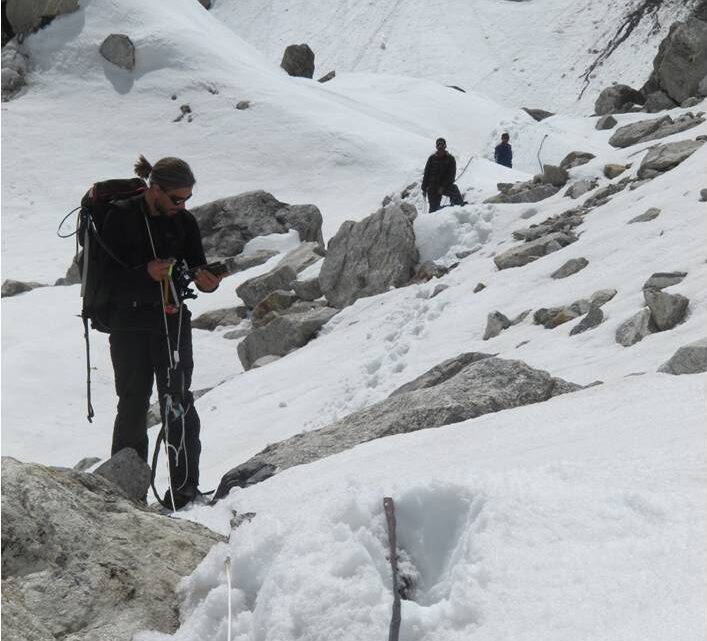
Researchers in the Himalayas
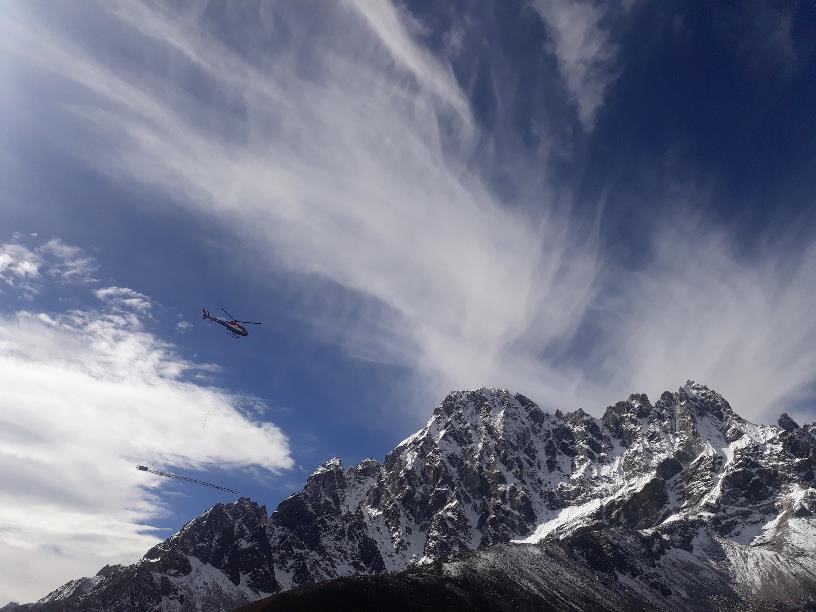
A helicopter surveys the mountain
The Big Thaw aims to:
These objectives respond to urgent calls from the scientific community for better monitoring and prediction of high-mountain water resources.
The Big Thaw carries out field campaigns in the Alps, Himalayas and Rockies, alongside data and sediment analysis, model development and large scale model runs.
The project shares results with policymakers, water managers, and the public to support adaptation strategies. Outreach includes blogs, media features, and contributions to global initiatives such as the World Meteorological Organisation High Mountain Call to Action.
Using carefully-targeted field campaigns designed scaled not to provide blanket coverage of the mountain cryosphere but to test and improve model skill, this project aims to fill four key observation gaps, in:
1) snowfall
2) glacier thickness
3) extreme weather
4) mountain water runoff
Importantly, through the calibration and refinement of relevant model processes at our target sites, we can eliminate gross biases and reduce uncertainties in model outputs that can then apply across all model scales, past, present and future.
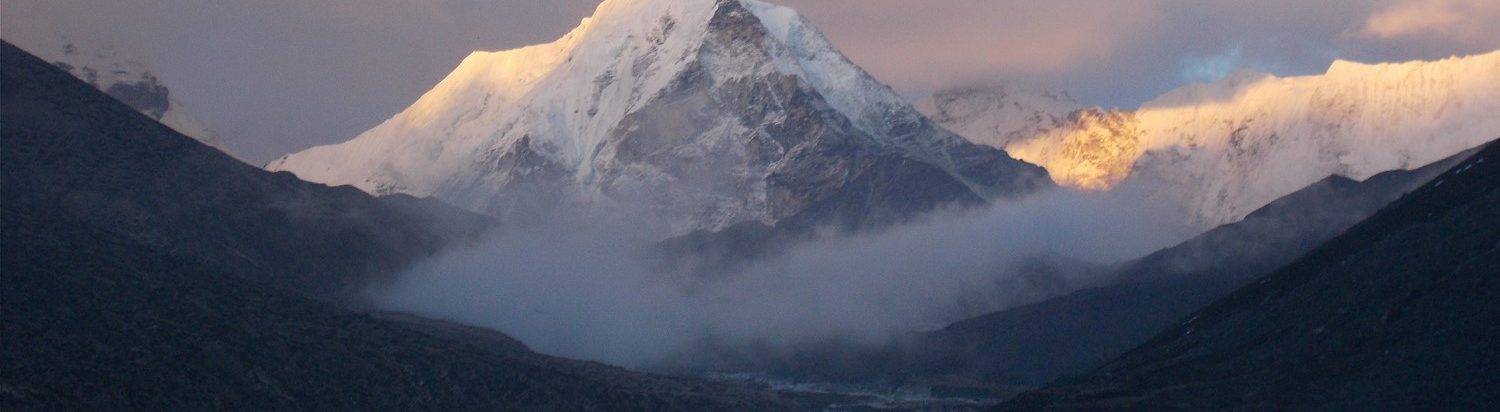
Credit: Emily Potter.
Glacial Processes Satellite
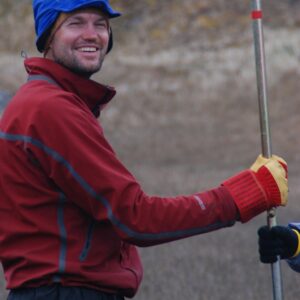
Quaternary Geologist

Palaeoecologist

Climate Physicist




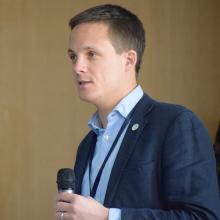
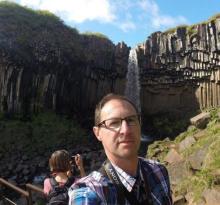

Water is one of the pillars of humanity’s survival – and yet there’s still much to explain about the processes that bring water to some of the world’s largest populations.
A new study published in Science Advances has overturned a common assumption about earthquake prediction: that major earthquakes follow predictable cycles, and that regions can be ‘overdue’ for the next big one.