Zooplankton Ecologist

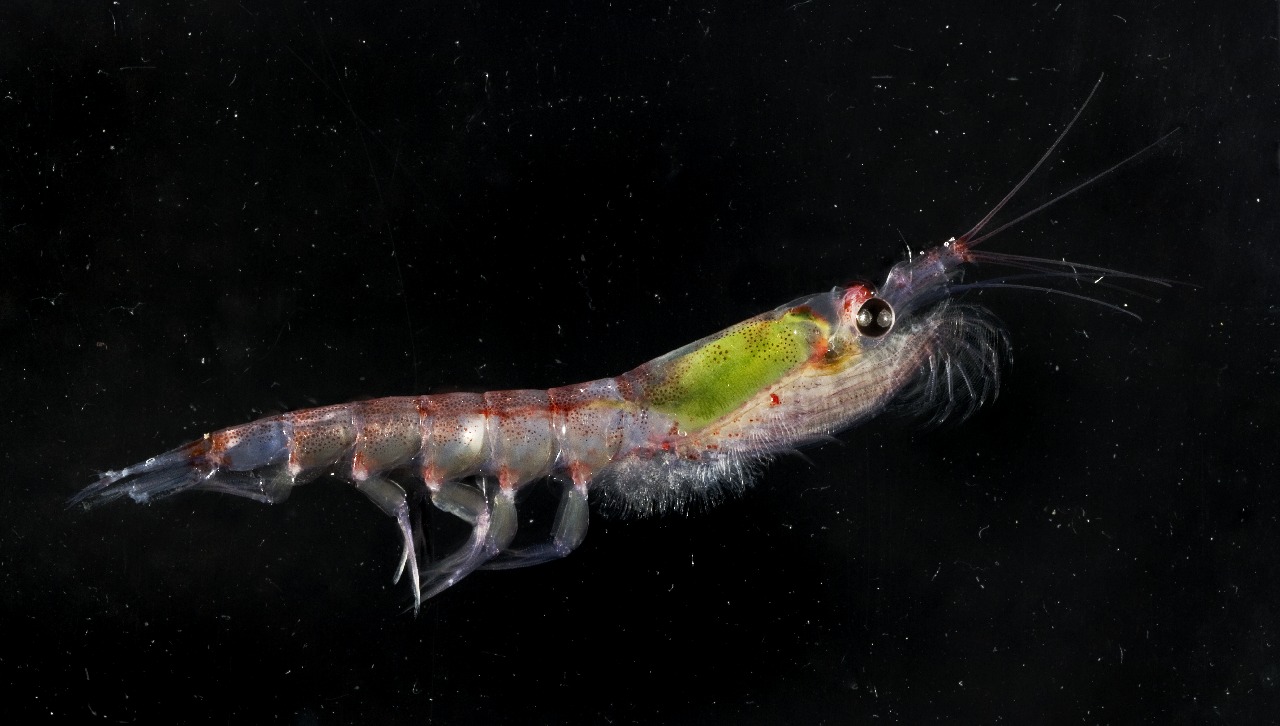
This project improves our understanding of how Antarctic krill, foraging whales, and the krill fishery interact in space and time. Our goal is to support better krill fishery management and conserve krill-based ecosystems.
This project provides information to the Commission for the Conservation of Antarctic Marine Living Resources (CCAMLR) to improve krill fishery management and conservation of krill-based ecosystems.
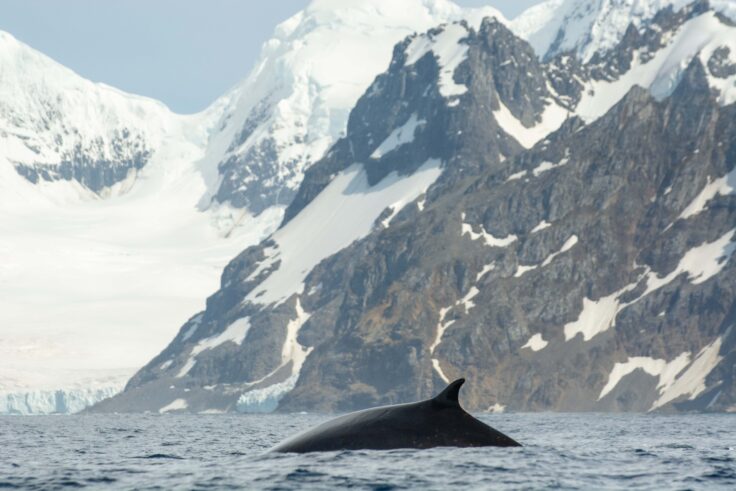
A fin whale (Credit: Ryan R Reisinger)
Antarctic krill are a key species in the Southern Ocean. They are among the most abundant animals on Earth and a major food source for penguins, seals, and baleen whales. Krill are also harvested commercially.
Understanding how whales, krill, and fisheries interact is essential. This is especially important as baleen whale populations recover and climate change affects krill distribution.
CCAMLR manages the krill fishery using an ecosystem approach. Krill stocks must remain productive, and fishing should not harm krill-dependent predators.
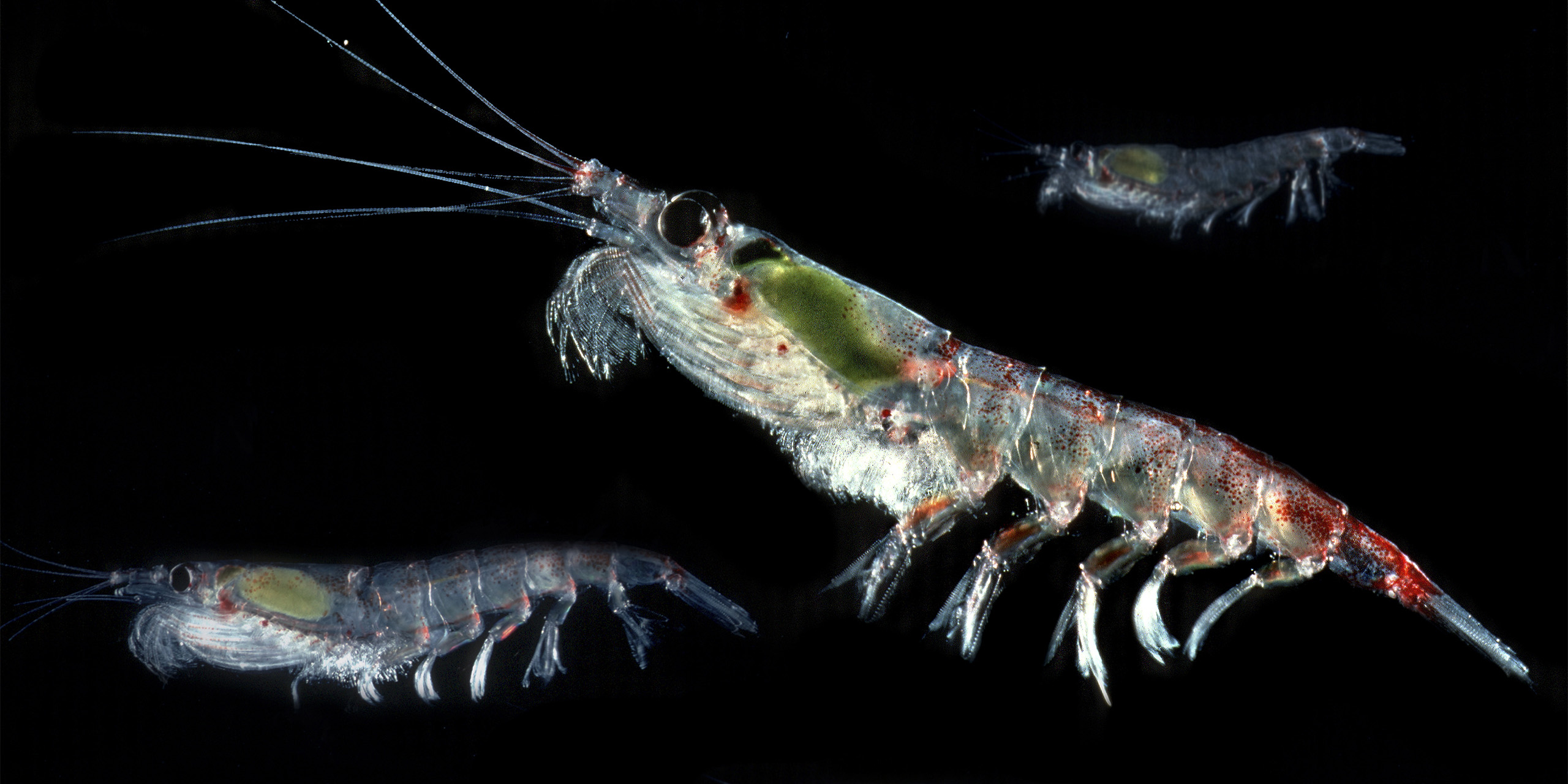
krill
To protect nature and support biodiversity, we need to better understand how whales, Antarctic krill and krill fishing overlap in space and time. This matters more than ever as baleen whale numbers recover from past hunting, and climate change affects krill distribution.
Current management occurs at large scales, while fishing is often concentrated in smaller areas.
This project is funded by Darwin Plus.
Research objectives:
We will conduct fieldwork to deploy biologging tags and conduct prey surveys in the Western Antarctic Peninsula region, over two austral summers/autumns (early 2024 and early 2025).
Zooplankton Ecologist
Fisheries Acoustician
Ryan R. Reisinger (University of Southampton)
Philip Anderson (Scottish Association for Marine Science)
Ari Seth Friedlaender (University of California Santa Cruz)
New Atlas of Southern Ocean marine life A new atlas, providing the most thorough audit of marine life in the Southern Ocean, is published this week by the Scientific Committee […]
Warm ocean currents cause majority of ice loss from Antarctica Reporting this week (Thursday 26 April) in the journal Nature, an international team of scientists led by British Antarctic Survey […]