Ocean/Ice Scientist IMP 3

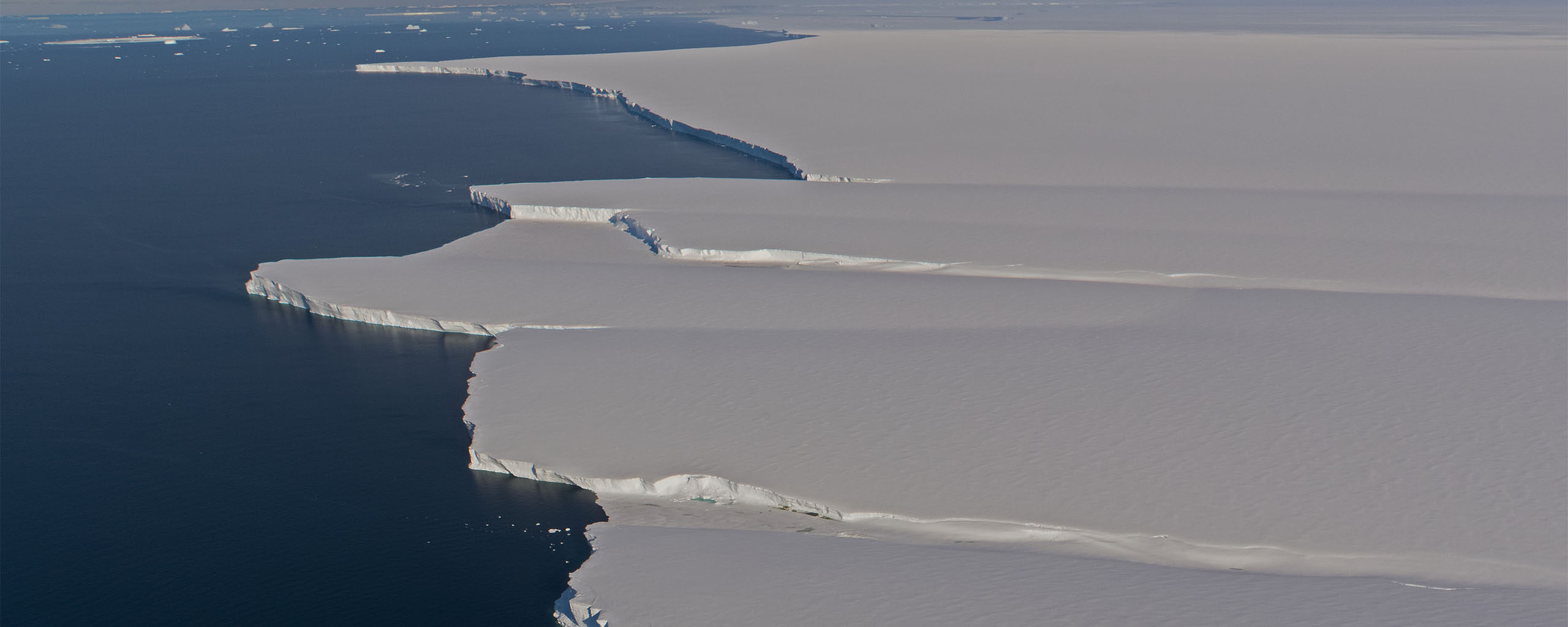
The OFIC project studied how ocean heat drove ice loss in rapidly retreating parts of the Antarctic ice sheet.
Researchers used long-term in situ measurements of ocean temperature and currents to understand the processes controlling ice-sheet change. This data helped improve predictions of future ice-sheet stability and global sea-level rise.
Antarctic ice loss contributed directly to global sea-level rise. Understanding the ocean processes that accelerated melting was critical for accurate climate projections.
The research reduced uncertainty in future predictions and informed government and policy decisions. It helped assess how ice-sheet changes could affect societies and economies around the world in the coming decades.
OFIC combined multiple approaches:
The project was part of a major UK–US collaboration aimed at understanding the drivers of Antarctic ice loss over a multi-year period.
Our ambition for this project was to use our long-term in situ measurement of ocean-heat delivery to understand the major drivers of ice-loss in some of the most rapidly-retreating parts of the Antarctic ice sheet. The outcome from this research informed projections for future ice-sheet stability and global sea-level projections.
Our aim was to understand how ocean heat influenced changes to Antarctic ice, and to reduce uncertainty in scientific predictions for a future world and to provide Government with scientific assessment of how these issues would affect the everyday lives of people in decades to come. This project was a key component of a major UK/US collaboration that took place over the next 5-years.
We used oceanographic moorings and bespoke radar systems to create a unique dataset that recorded the major driver of Antarctic ice-loss.
We aimed to use our unique capability in polar ocean research areas and our ability to lead interdisciplinary teams to work across the boundaries of glaciology, oceanography and climate science. Our particular focus areas were:
Ocean/Ice Scientist IMP 3
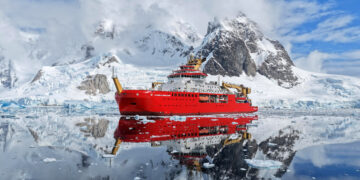
Our state-of-the-art polar science ship provides scientists access to remote and challenging marine environments across the Antarctic and Arctic.