Ice Sheet Modelling

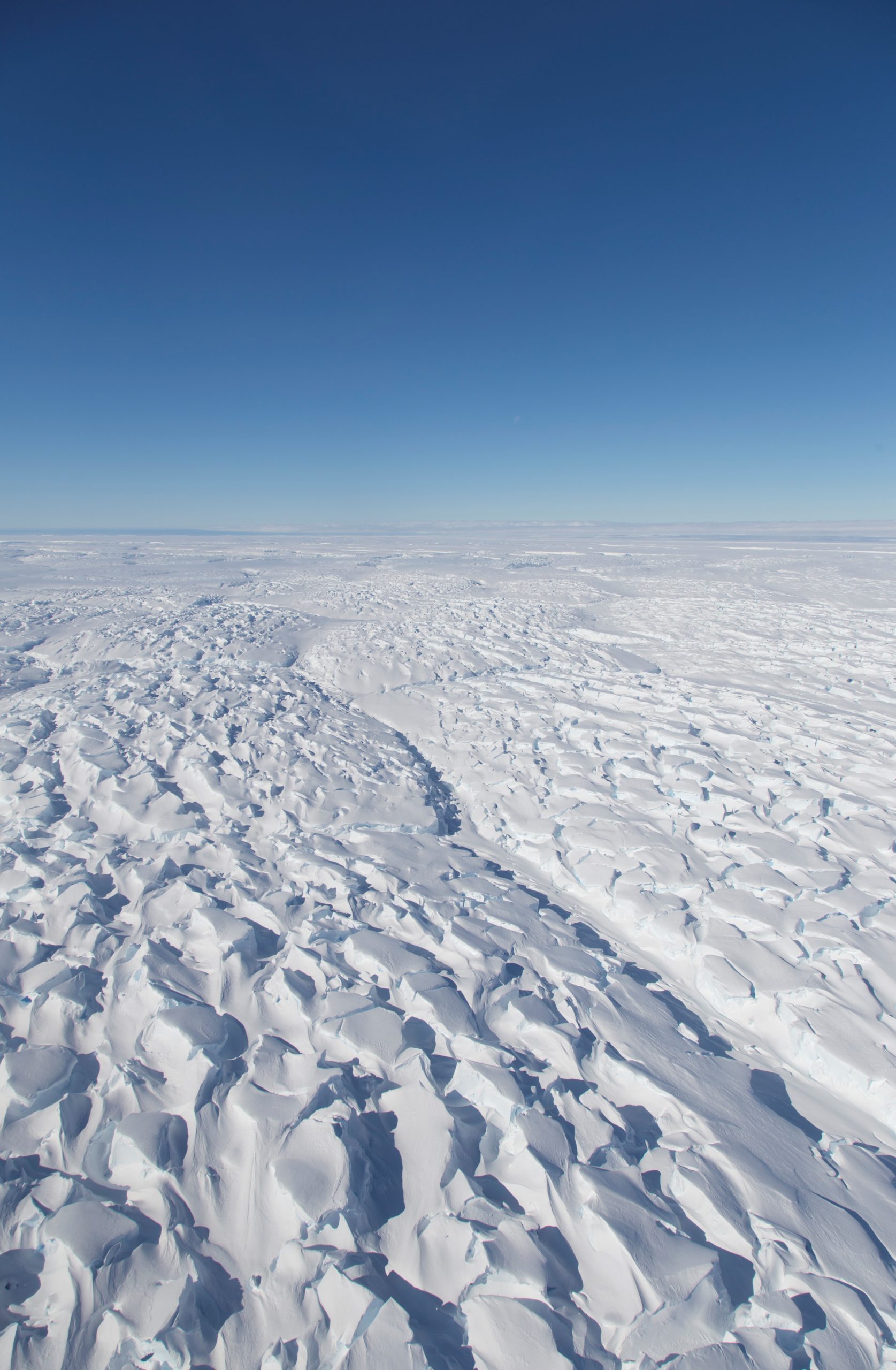
GHOST is an ice-based project which will examine the bed beneath the Thwaites Glacier, to assess whether conditions are likely to allow rapid retreat, or if the retreat may slow or stop due to a ridge 70 km inland. It will also study the conditions within and beneath the glacier to understand if they may cause its boundaries to extend. This is significant because expansion could lead to the deglaciation of neighbouring glacier basins, potentially raising global sea level by more than 3 m.
Computer modelling will be used to generate a range of bed scenarios. Geophysical surveys on the ice will collect data to test these scenarios. The surveys will use state-of-the-art technologies, such as seismic and radar, to characterise the conditions of the bed beneath the ice and to investigate how they interact.
Projecting the retreat rate of Thwaites Glacier and evaluating whether it is likely to stabilise or retreat rapidly and collapse is essential for modelling future ice sheet behaviour. In our warming world, understanding the potential contributions of glaciers such as Thwaites is critical for projecting future sea-level rise.
The overarching question that GHOST will address is will the conditions at the base of the glacier allow rapid retreat of the grounding line?
To achieve this, the team will:
Ice Sheet Modelling
Glacier Geophysicist
Professor Sridhar Anandakrishnan – Pennsylvania State University
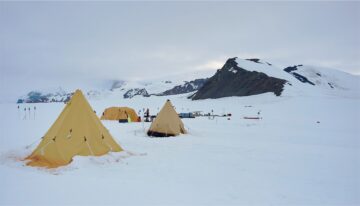
Thirty seven scientists and over 24 support staff are arriving in Antarctica to work on Thwaites Glacier.
Antarctica Live Lessons – a new and exciting learning resource, launches today (13 November). Aimed at engaging and inspiring the imaginations of young learners, the platform introduces an array of live, interactive lessons about Antarctica, offering a unique opportunity for students to hear from leading ice experts.
The ground beneath Antarctica’s most vulnerable glacier has been mapped for the first time, helping scientists to better understand how it is being affected by climate change. Analysis of the […]
Nearly 60 scientists and support staff are on their way to Thwaites Glacier in West Antarctica. It’s part of an ambitious international effort to understand the glacier and surrounding ocean […]
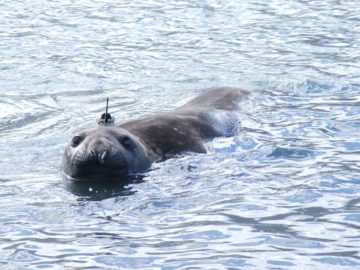
Scientists will use two species of seals to investigate a huge glacier in West Antarctica that is at risk of collapse. A team of over 20 polar scientists from the […]
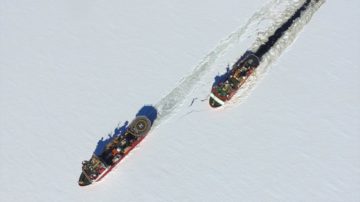
The British Antractic Survey’s vessel RRS Ernest Shackleton teamed up with the Royal Navy survey ship HMS Protector to help scientists begin a five-year mission to understand how West Antarctica […]
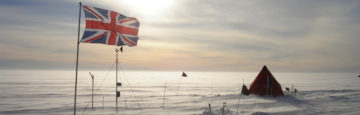
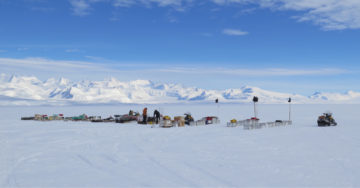
A team of UK and U.S. polar scientists are about to embark on one of the largest joint Antarctic missions for more than 70 years. It’s the first field season […]
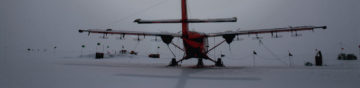
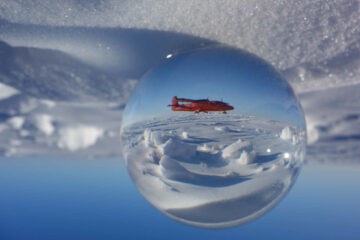
The Twin Otter is a high-wing, twin-engine, turbo-prop aircraft. They are used all over the world and are known for their rugged construction, reliability and short take-off and landing performance.