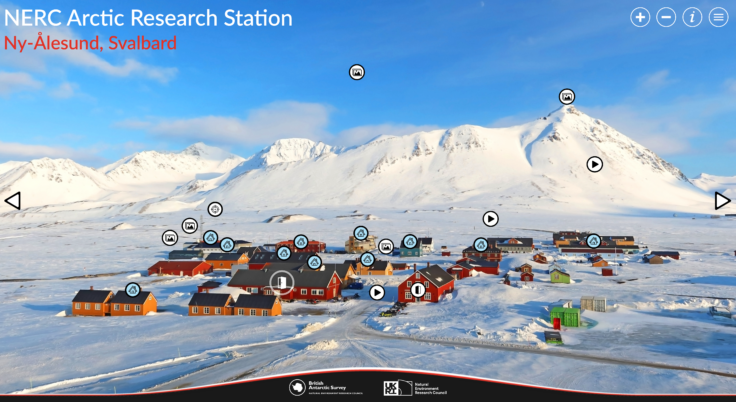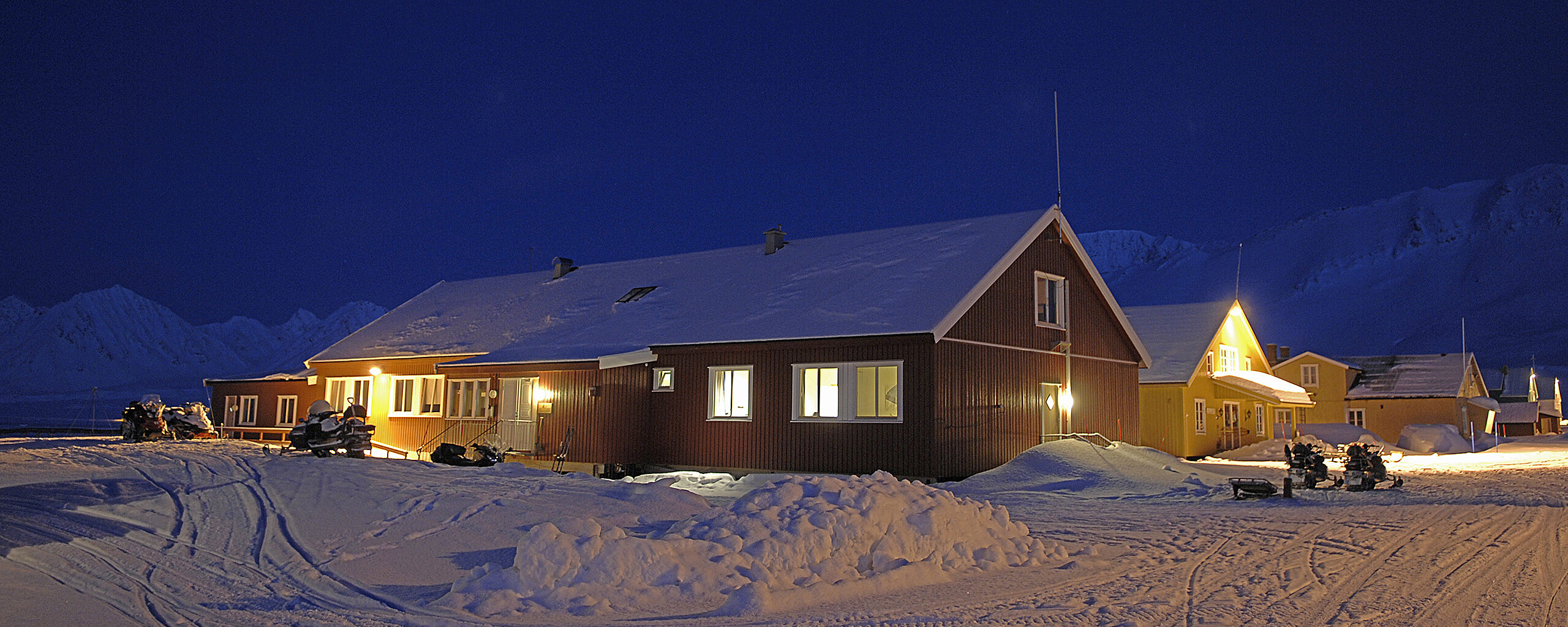
The UK’s Arctic research station is in the international research community of Ny-Ålesund, on Svalbard, a Norwegian island.
The station operates primarily from June to September each year, providing essential facilities and accommodation for researchers from UK universities, research institutes, and their international collaborators.
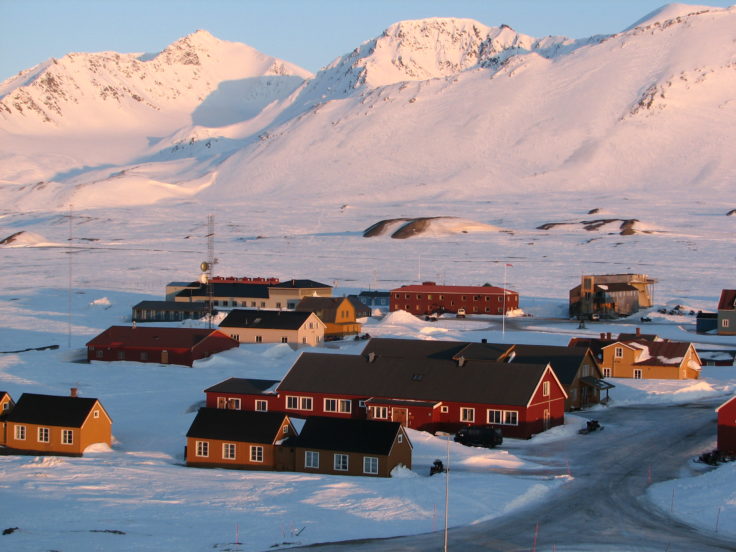
Ny-Ålesund International Research Village
The cross-discipline research and international collaboration brings together up to 150 people from various nationalities and disciplines to advance the understanding of global environmental issues.
The station is managed by British Antarctic Survey (BAS) and funded by the Natural Environment Research Council (NERC). The town of Ny-Ålesund on Svalbard is operated by Kings Bay AS, a company owned by the Norwegian Ministry of Climate and Environment. It provides facilities for permanent research activities by 19 institutions from 11 countries.
Science programmes
The international community at Ny-Ålesund focuses on four main science programmes:
- marine
- atmospheric
- terrestrial ecology
- glaciology.
It supports approximately 10-15 research projects annually, involving 40-50 scientists. It is an ideal location for PhD students to gain valuable skills in polar fieldwork.
Lab upgrade
The station is well-equipped with a versatile, multipurpose laboratory that underwent a major upgrade in 2019. This includes:
- a large main laboratory
- chemical lab annex with a recirculating fume hood and biological safety cabinet
- wet lab with ultra-pure water system
- dry lab.
It also provides office space and a store of laboratory consumables.
Researchers have access to a variety of equipment for preparing and analysing samples, including fridges, freezers, balances, and microscopes.
Field work
Researchers use a PolarCirkel workboat for transporting teams to locations within Kongsfjorden. This 5.6m boat is equipped with a 100bhp outboard engine and a winch that can reach a depth of 500m, for deploying of scientific equipment.
Researchers receive field training and support, including mandatory rifle training as part of polar bear awareness, a necessary safety precaution.
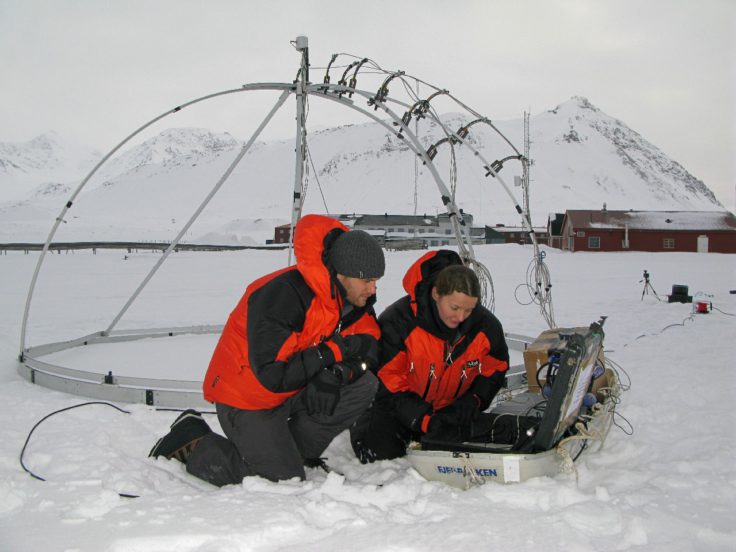
Two scientists looking at snow reflectance using a rotating detector array. This science is essential for the interpretation of satellite imagery of the polar regions.
Take a virtual tour