DNA reveals unique microorganisms evolved at poles
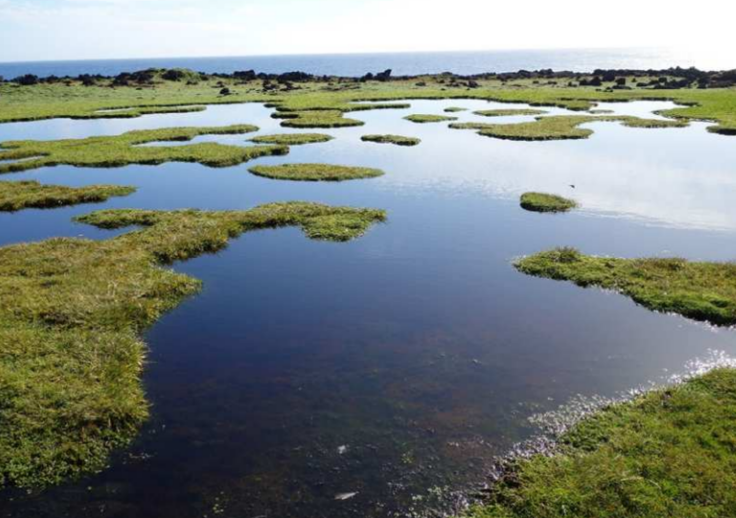
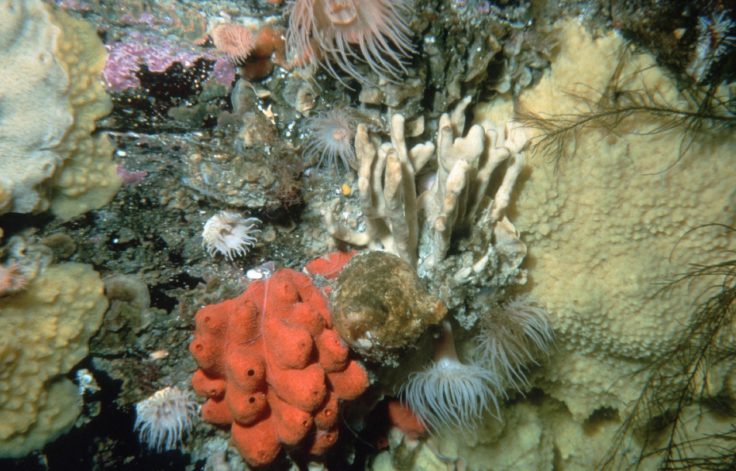
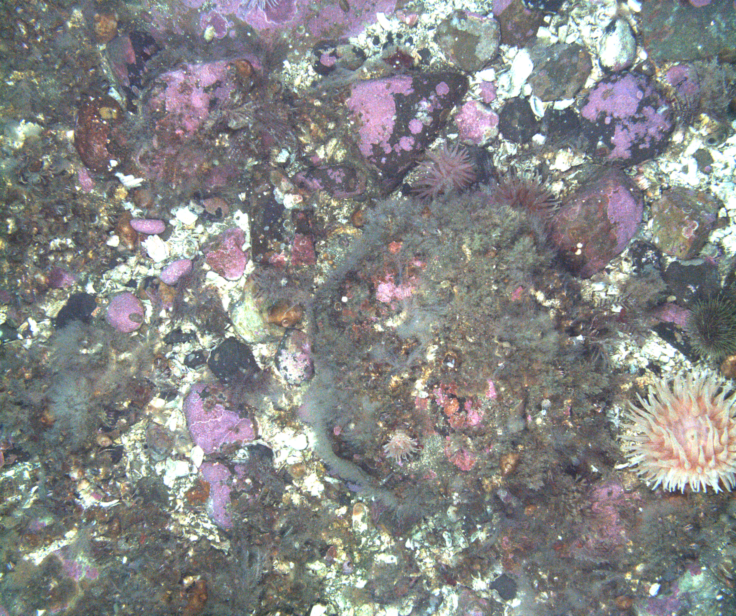
Communities of microorganisms at the bottom of polar lakes evolved independently from other regions, influenced by the particular geological, biological and climate history of their regions.
157 to 168 of 1411 results
Communities of microorganisms at the bottom of polar lakes evolved independently from other regions, influenced by the particular geological, biological and climate history of their regions.
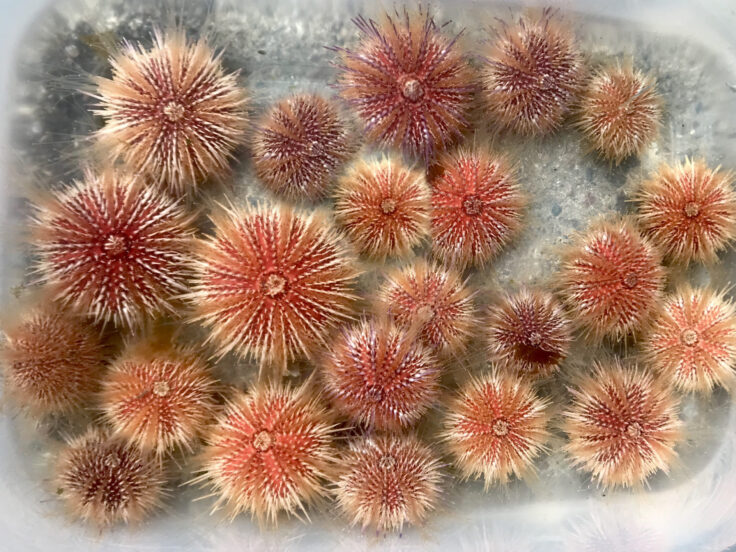
Sea urchins exposed to diluted seawater for long periods show signs of physical deterioration, according to scientists from British Antarctic Survey, the University of Cambridge and the Scottish Association for Marine Science.
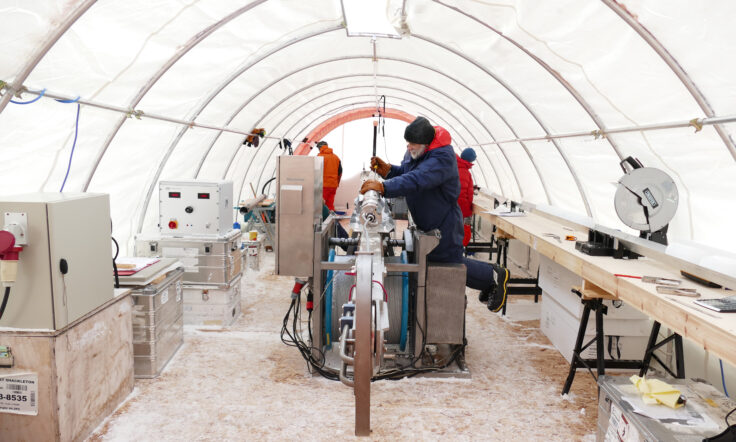
The first direct evidence that the West Antarctic Ice Sheet shrank suddenly and dramatically at the end of the Last Ice Age, around eight thousand years ago, is published in a new study this week.
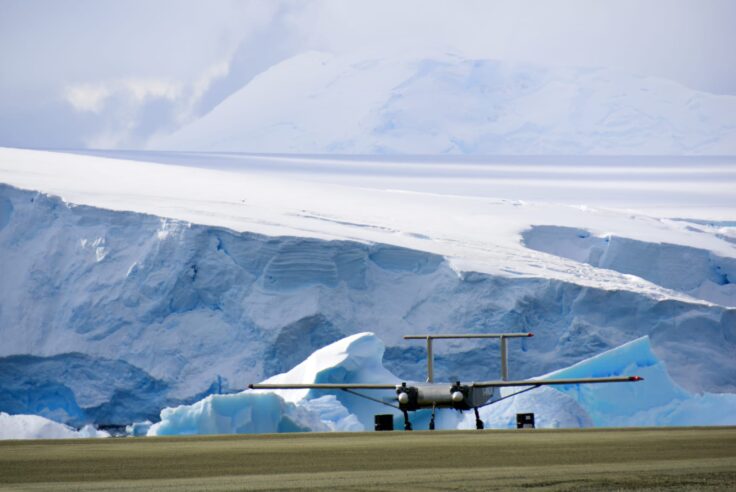
A team have arrived at Rothera Research Station, ready to start testing the new Windracers ULTRA autonomous drone in Antarctica. If successful, the new drone platform could represent a major addition to British Antarctic Survey’s scientific capability on the frozen continent.
The British Antarctic Survey (BAS) will build a new unique science facility at its UK Cambridge headquarters, enabling scientists to understand how organisms that live in cold polar environments evolved and the impact of environmental change on these special ecosystems.
A study published this month in the journal Frontiers in Marine Science reveals that disturbing the seabed, through activities such as trawling, could increase the scale and speed of climate change.
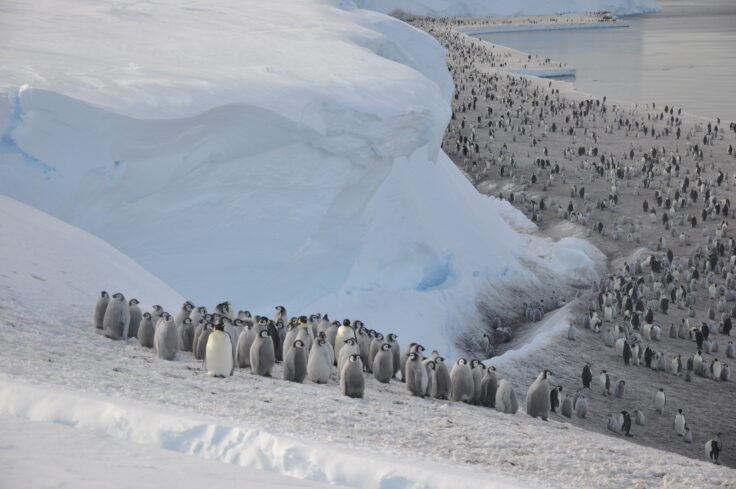
Scientists from British Antarctic Survey have discovered four previously unknown emperor penguin breeding sites.
A team of scientists are embarking on an ambitious 30-day scientific expedition on board RRS Sir David Attenborough to investigate how carbon dioxide moves and transforms in the Southern Ocean.
Scientists at British Antarctic Survey have found that the number of warm weather events in the South Orkney Islands have significantly increased in frequency over the last 75 years.
Researchers from British Antarctic Survey (BAS) have carried out aerial surveys of the remote volcanic Zavodovski Island in the sub-Antarctic to count the largest penguin colony in the world.
Scientists at British Antarctic Survey are using satellite images to track the colossal iceberg A23a.
Testing for Highly Pathogenic Avian Influenza (HPAI) continues on the subantarctic island of South Georgia since it was detected in October 2023. The latest results from samples taken from the islands reveal that the disease has now been detected in elephant and fur seals.