Giant iceberg set to calve from Larsen C Ice Shelf
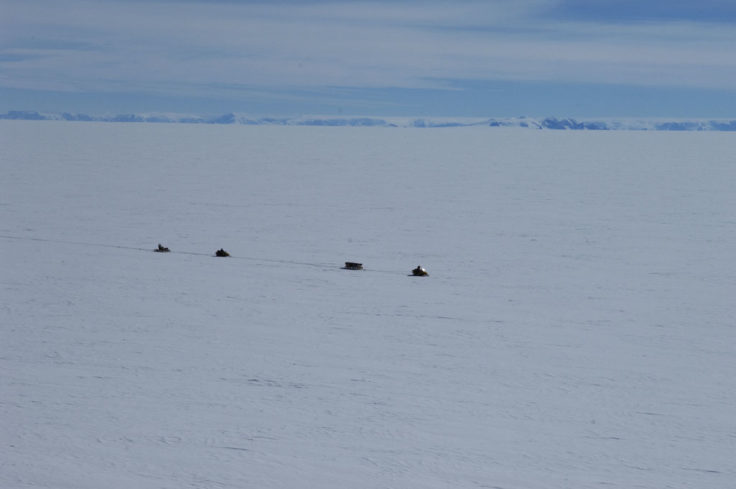
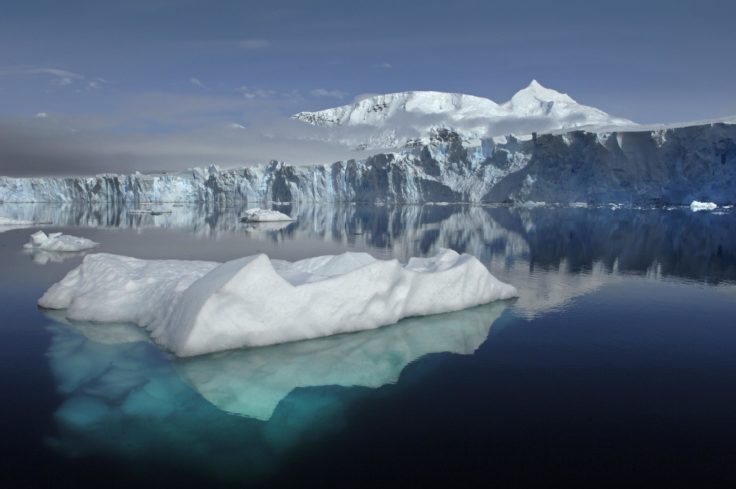
A huge iceberg, roughly the size of Norfolk, looks set to break away from the Larsen C ice shelf on the Antarctic Peninsula. Larsen C is more than twice the size […]

565 to 576 of 953 results
A huge iceberg, roughly the size of Norfolk, looks set to break away from the Larsen C ice shelf on the Antarctic Peninsula. Larsen C is more than twice the size […]
Two leading polar scientists at the British Antarctic Survey (BAS) have received awards in the 2017 New Year Honours list from Her Majesty the Queen. BAS Director, Professor Jane Francis, […]
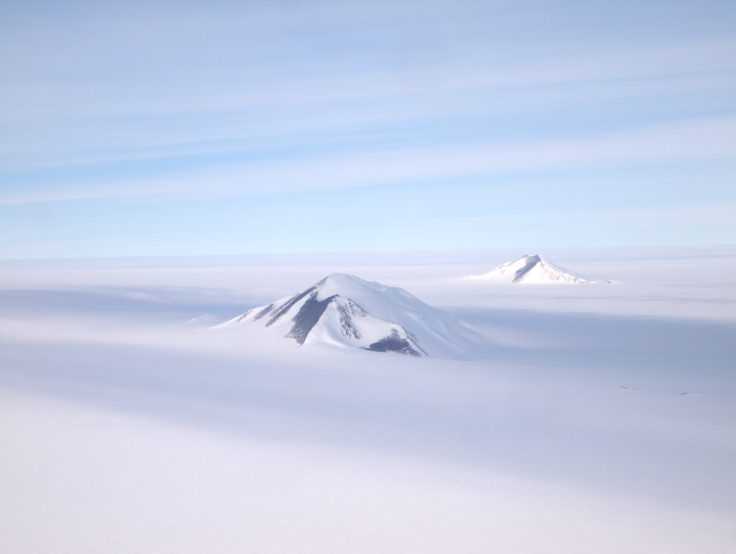
Dr Lucy Quinn is zoological field assistant at the British Antarctic Survey research station on Bird Island, South Georgia – a job which involves daily expeditions come rain or shine […]
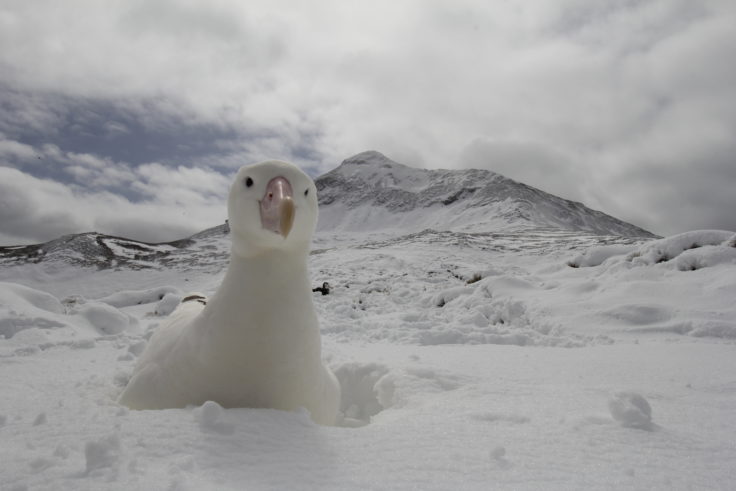
Science Summit will call on global leaders for immediate action on the Arctic A group of leading scientists have announced an Arctic Science Summit that will take place in Davos, […]
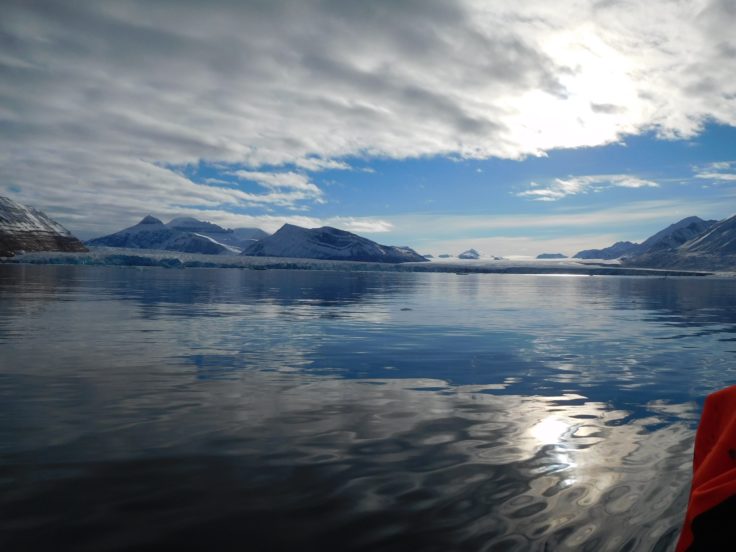
Scientists agree that meeting the ever-increasing needs of the Earth’s human population while maintaining biological diversity is one of the greatest challenges of our time. Despite bold international commitments, biodiversity […]
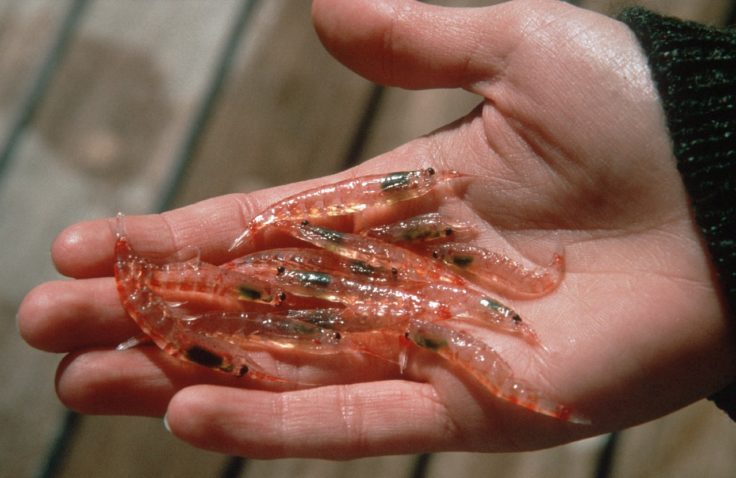
A new study on how molluscs build their shells in the sub-zero waters of Antarctica is published today (Friday 11 November) in the journal Scientific Reports. A team of European […]
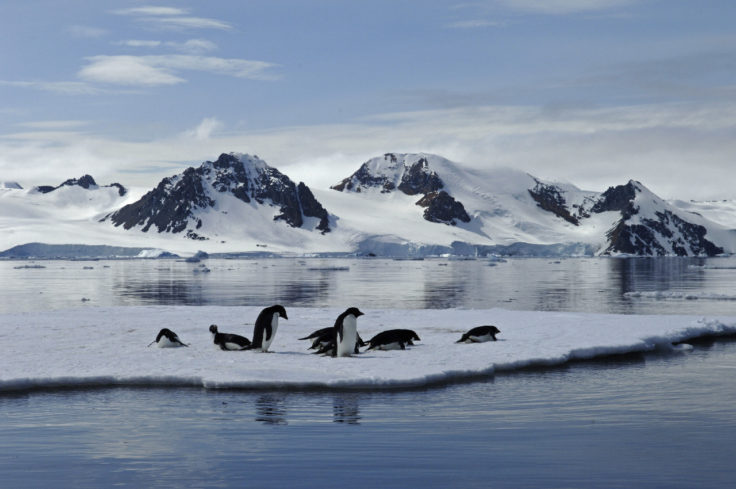
HOBART, Australia: The world’s experts on Antarctic marine conservation have this week agreed to establish a marine protected area (MPA) in Antarctica’s Ross Sea. At the meeting of the Commission […]
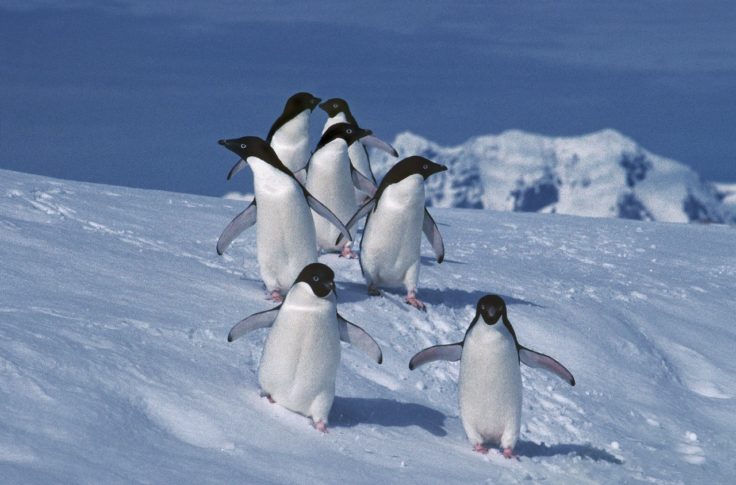
Shallow-water ecosystems are a major carbon sink, as many species living on the seafloor use carbon to build their tissue and shells. This carbon can become part of seafloor sediment […]
Keel-laying ceremony at Cammell Laird
Data as art captivates a London audience
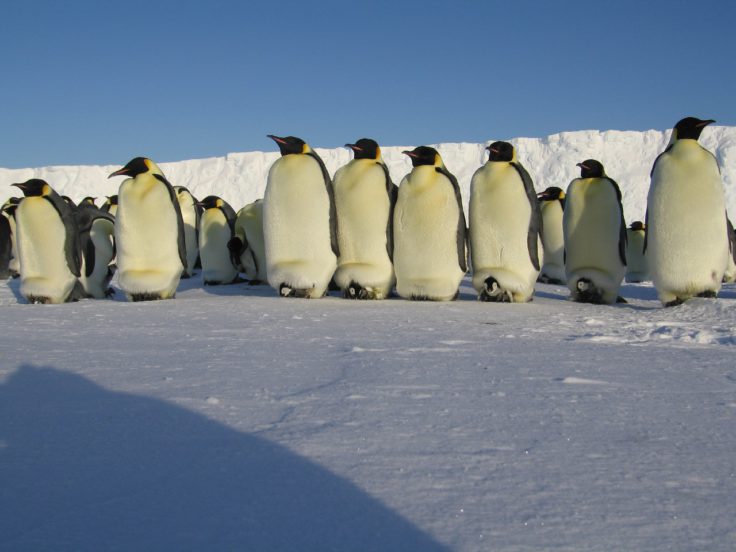
Celebrating 25 years of environmental protection in Antarctica
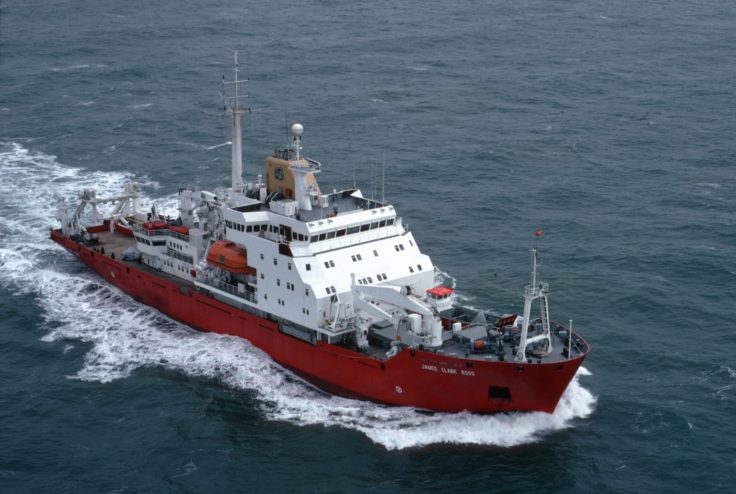
On 20 September 2016 the British Antarctic Survey ship, the RRS James Clark Ross, set sail on its long voyage from Immingham in the UK to Stanley in the Falkland […]