New maps show why glacier ice front suddenly shrank
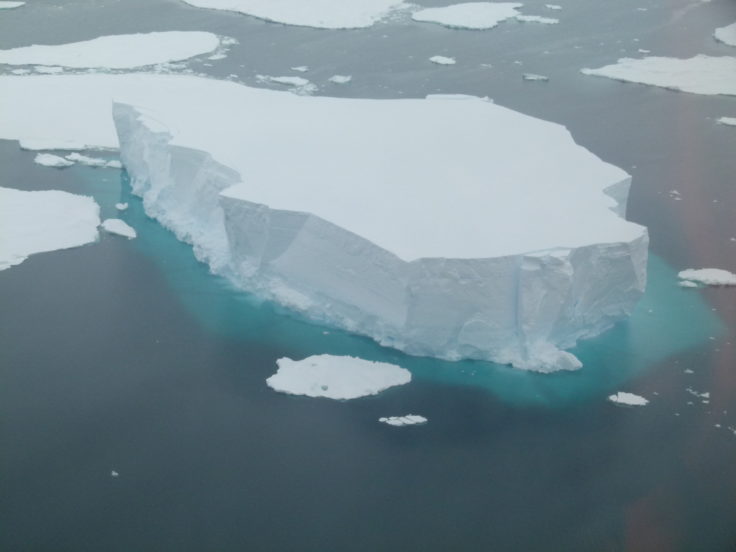
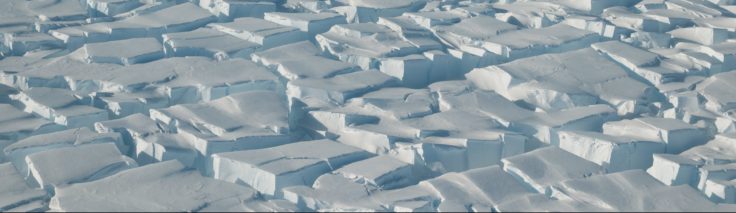
Pine Island Glacier in West Antarctica is one of the fastest-flowing glaciers in Antarctica. Over the last eleven years, four major icebergs have broken off from its floating ice shelf. […]

481 to 492 of 953 results
Pine Island Glacier in West Antarctica is one of the fastest-flowing glaciers in Antarctica. Over the last eleven years, four major icebergs have broken off from its floating ice shelf. […]
A collection of reports and photos from the British Antarctic Survey (BAS), documenting the UK’s leading role in the modern era of Antarctic exploration, is being inscribed onto UNESCO’s UK […]
Fungi in Antarctic soils release carbon that is more than a thousand years old, a team led by scientists at the British Antarctic Survey (BAS) has found. This discovery sheds light on how carbon is released into the atmosphere as polar regions warm.
Leading climate scientist and BAS oceanographer Dr Emily Shuckburgh worked with award-winning author and illustrator Chris Haughton to create the short film Message from Antarctica. This is part of the […]

Revealing Antarctica’s hidden world
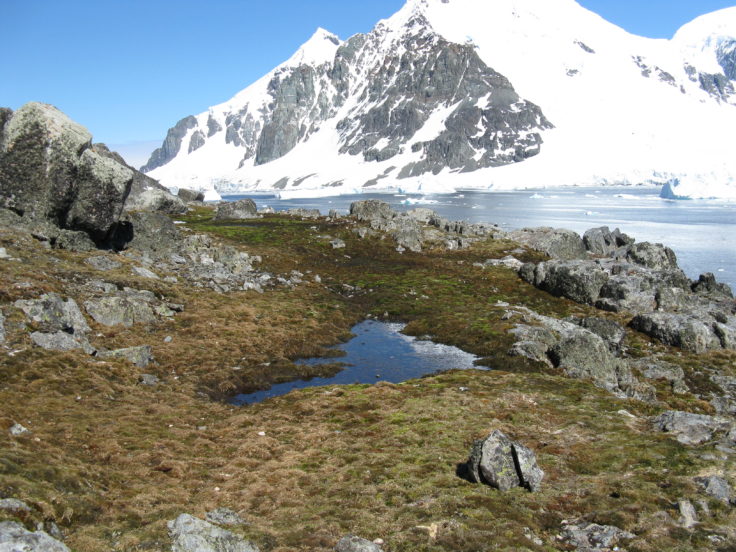
The seas around the Antarctic Peninsula are biologically extremely rich, but are climatically sensitive, having experienced some of the fastest warming globally in recent decades. A special issue of the […]
A new study involving scientists from British Antarctic Survey (BAS) suggests for the first time that warm winds are creating large surface melting of ice shelves in Antarctica during the […]
Professor Mike Meredith wins prize
A new UK-U.S. Antarctic research programme to improve the prediction of future sea-level rise is launched this week (Monday 30 April 2018) at British Antarctic Survey (BAS), Cambridge. The £20 […]
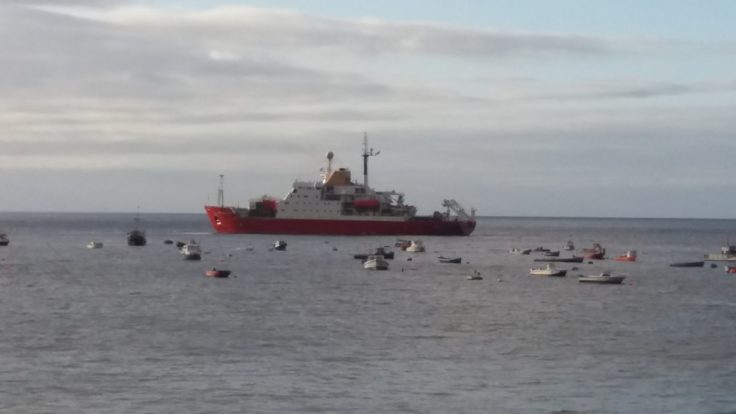
A team of scientists on board the RRS James Clark Ross (JCR) has conducted marine biodiversity research around the Island of St Helena with a team of UK based and […]
Deadline for proposals 5 July 2018
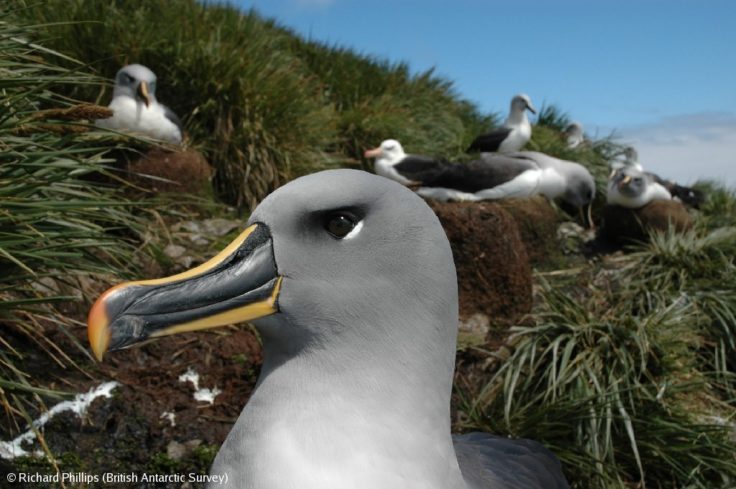
Seabirds may struggle to find food for their chicks as they are unable to shift their breeding seasons as the climate warms, a new study suggests. Rising sea temperatures in […]