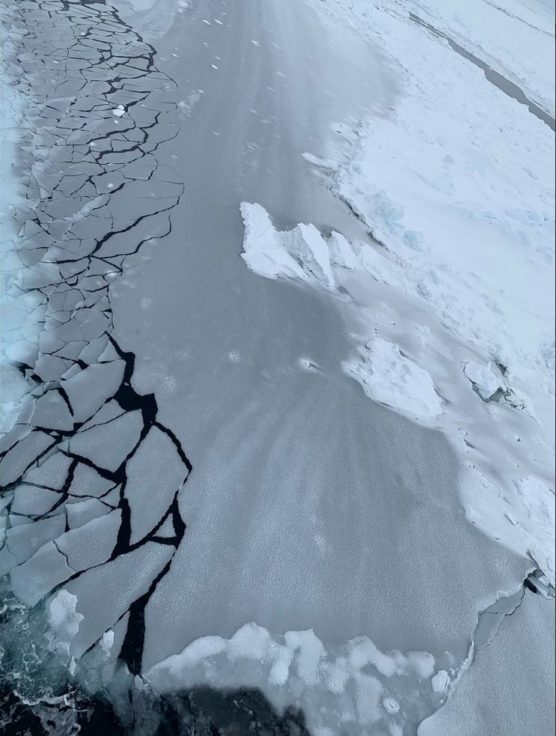
Boaty McBoatface sheds light on warming ocean abyss
The debut mission involving the autonomous submarine Autosub Long Range – affectionately known as Boaty McBoatface – has for the first time shed light on a key process linking increasing […]

421 to 432 of 953 results
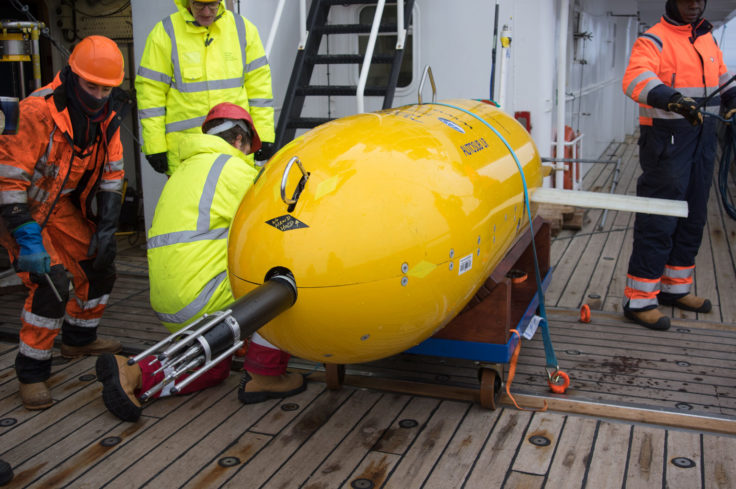
The debut mission involving the autonomous submarine Autosub Long Range – affectionately known as Boaty McBoatface – has for the first time shed light on a key process linking increasing […]
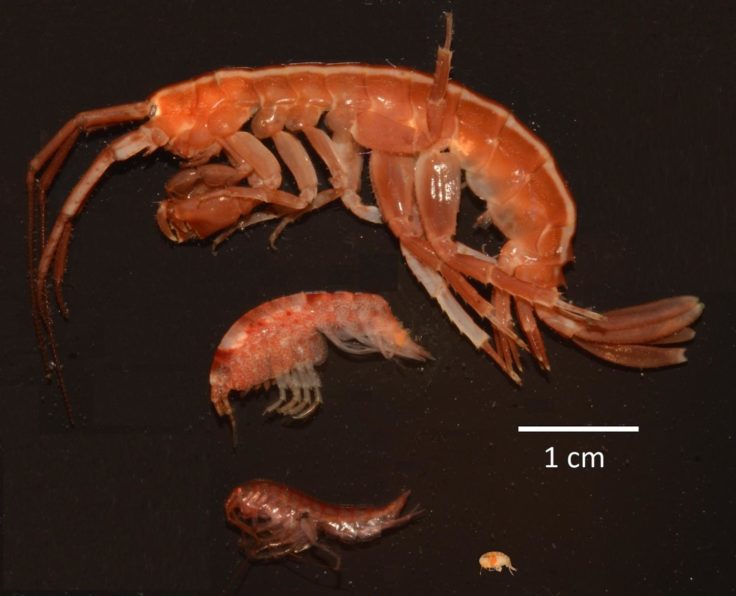
A new study reveals how marine life around Antarctica will fare in an ocean which has declining levels of oxygen. Writing in the journal Philosophical Transactions of the Royal Society […]
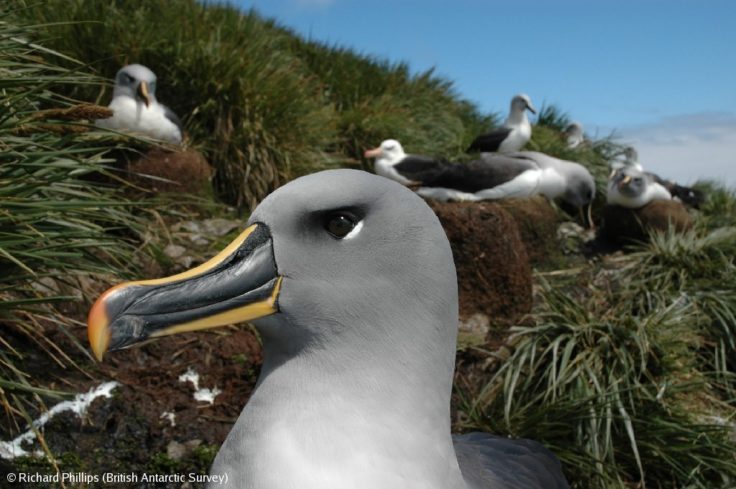
A new study highlights that sub-Antarctic seabirds are most at risk from unsustainable fishing during the southern hemisphere winter and in the south Atlantic and Southwest Indian Oceans. The link […]
ANTARCTICA: At the onset of the Antarctic winter British Antarctic Survey’s (BAS) Rothera Research Station bids farewell to 50 construction workers. They have spent the last six months building the […]

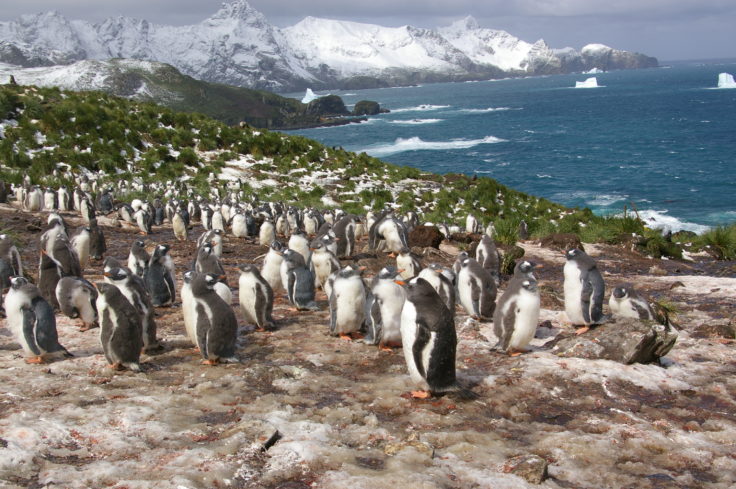
A new study by BAS scientists and collaborators in the Netherlands shows that seal and penguin poo is key to Antarctic biodiversity on land. By studying concentrations of nitrogen-rich guano […]
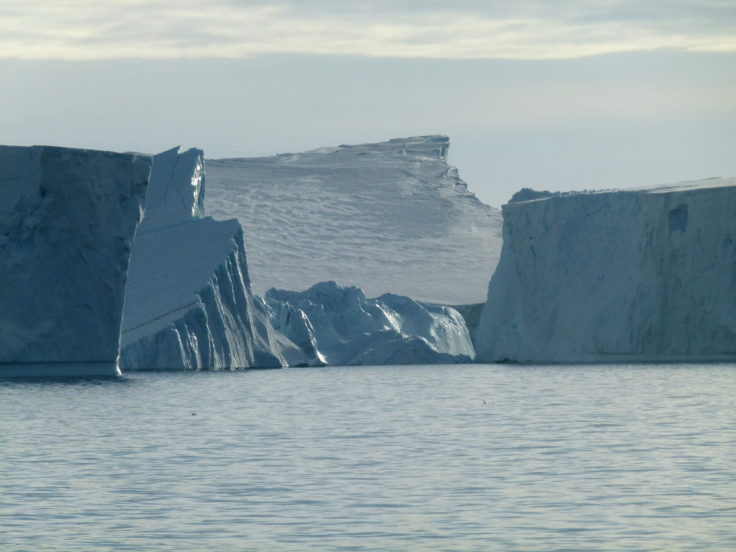
A section of the world’s largest ice shelf in Antarctica – around the size of Spain – is melting 10 times faster than average and warm ocean currents beneath it […]
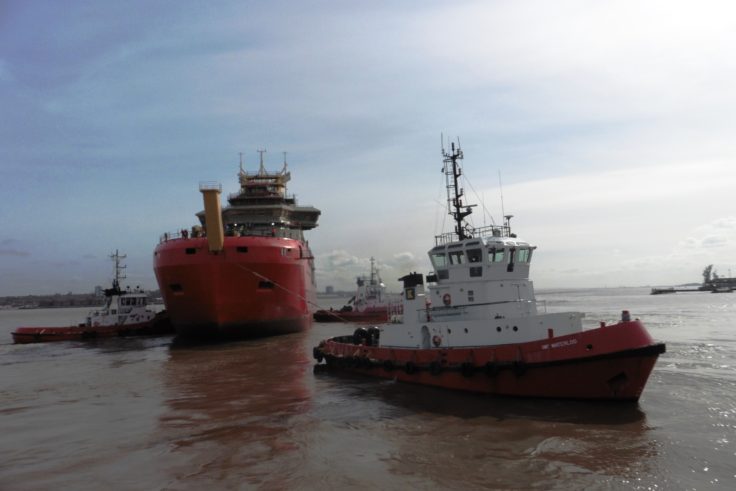
New polar ship takes to the water once again
A team of researchers led by British Antarctic Survey has for the first time mapped the deepest part of the South Sandwich Trench in the Southern Ocean. This part of […]

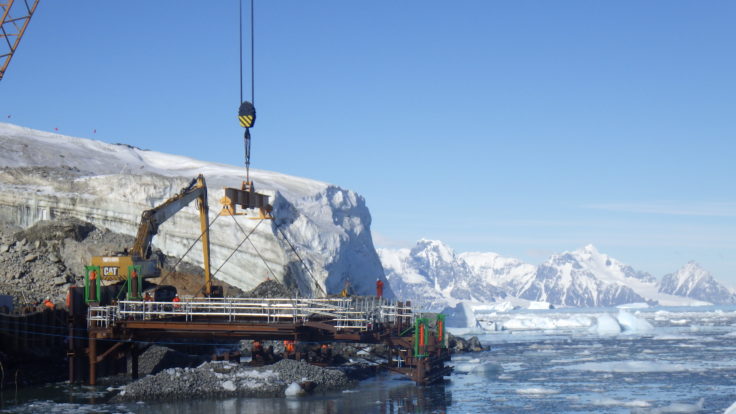
A major milestone has been reached in the construction of a new wharf at Rothera Research Station. The first of 20 steel frames, forming the skeleten of the new structure, has been lowered into place in a piece of precision engineering.
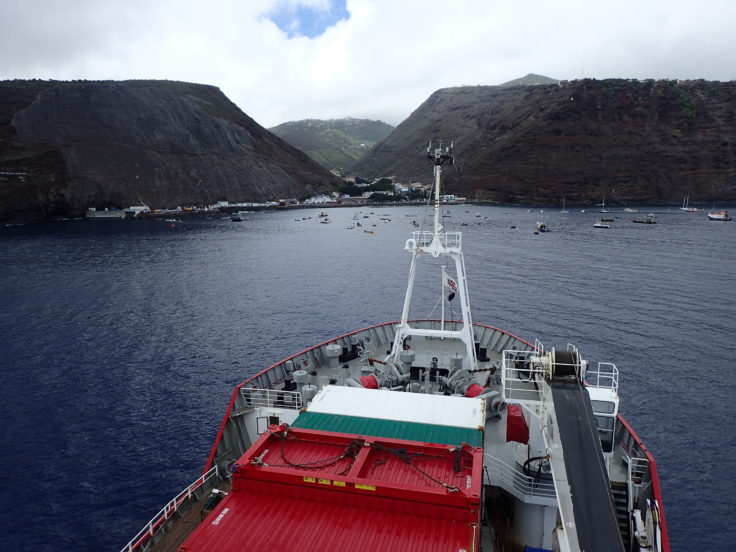
A team of scientists set sail this week (12 March) for the remote South Atlantic islands of Tristan da Cunha and St Helena. This mission is part of BAS’ commitment […]
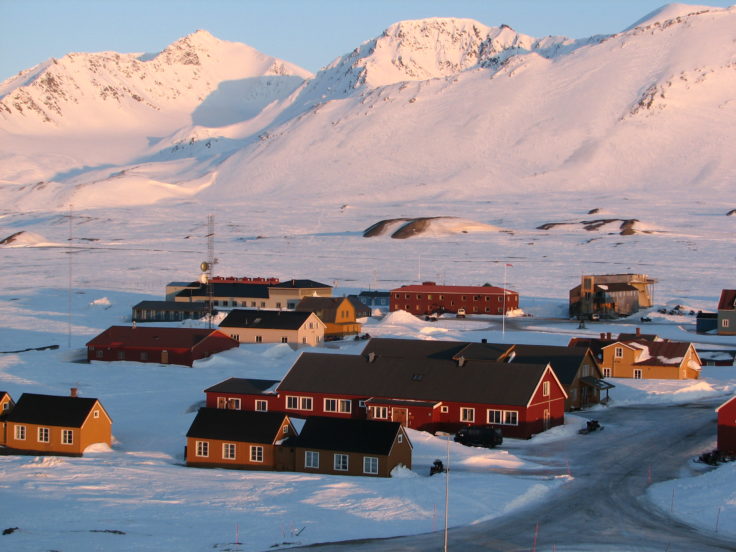
The NERC Arctic Station in Ny-Ålesund, Svalbard, is delighted to be hosting the BBC Radio 4 Today Programme this week (12-14 March 2019), including science editor Tom Feilden and presenter […]
Sea-ice conditions have prevented the Research Icebreaker Polarstern from reaching the Larsen Ice Shelf and the calving areas of iceberg A68.