Extreme heatwave in East Antarctica caused by record-breaking ‘atmospheric river’
Scientists have identified the intricate meteorological drivers that led to an intense heatwave across East Antarctica in from 15-19 March 2022.
121 to 132 of 946 results
Scientists have identified the intricate meteorological drivers that led to an intense heatwave across East Antarctica in from 15-19 March 2022.
Congratulations to British Antarctic Survey (BAS) staff who have been awarded a Polar Medal in the 2024 New Year’s Honours List for their contributions to improving our understanding of Antarctica and enduring harsh Antarctic conditions.
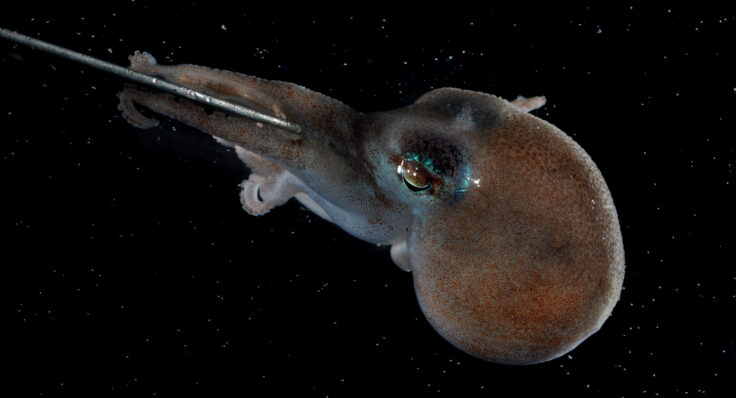
Scientists, including from British Antarctic Survey, have used octopus DNA to discover that the West Antarctic Ice Sheet (WAIS) likely collapsed during the Last Interglacial period around 120,000 years ago – when the global temperatures were similar to today.
Colleagues at British Antarctic Survey’s five research stations and on board the RRS Sir David Attenborough are currently preparing for a unique festive season in Antarctica, with nearly 24 hours of sunlight, and snow almost guaranteed on the frozen continent.
A special issue of the journal Oceanography has shone a spotlight on the collaborative FindAScienceBerth project, inspiring people and institutions to make positive change towards increasing diversity.
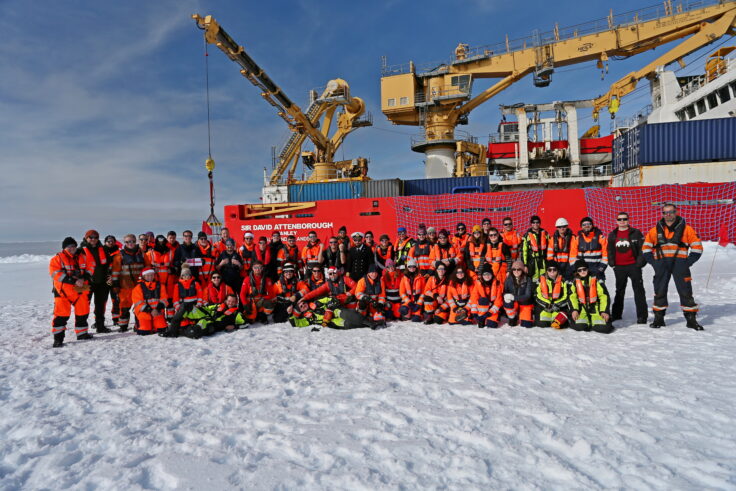
Thirty seven scientists and over 24 support staff are arriving in Antarctica to work on Thwaites Glacier.
The Royal Society Publishing Photography Competition celebrates the power of photography in capturing scientific phenomena happening all around us, and the role great images play in making science accessible to a wide audience.
Leading UK climate science organisations are driving forwards a national alliance focused on climate solutions for society, led by new co-directors including Professor Michael Meredith from British Antarctic Survey.
Scientists are warning that apparently stable glaciers in Antarctica can change rapidly and lose large quantities of ice as a result of warmer oceans.
Researchers are using a new AI tool to detect icebergs in the Southern Ocean – the first step towards tracking the complete lifecycle of Antarctic icebergs from satellite data.
Last month, October 2023, Highly Pathogenic Avian Influenza (HPAI) was confirmed on Bird Island, South Georgia in the brown skua populations.
A team of international researchers set sail on the RRS Sir David Attenborough today (20 November) to answer some of the big questions about how Antarctic ecosystems and sea ice drive global ocean cycles of carbon and nutrients.