
New findings challenge ‘overdue earthquake’ myth and urge Himalayan policymakers to treat seismic risk as constant.
A new study published in Science Advances has overturned a common assumption about earthquake prediction: that major earthquakes follow predictable cycles, and that regions can be ‘overdue’ for the next big one.
Researchers from British Antarctic Survey (BAS) analysed 6,000 years of earthquake records preserved in the sediments of Rara Lake in western Nepal – the longest such record ever assembled for the Himalaya. Their findings show that large earthquakes arrive in unpredictable bursts and lulls, not at regular intervals.
“The ‘overdue’ myth is just that – a myth,” said Dr Zakaria Ghazoui-Schaus, a Paleo-seismologist from BAS who led the study. “Our research shows that major earthquakes are just as random and unpredictable as smaller ones. The science is blunt: major quakes don’t run to a timetable.”
Reading the deep past
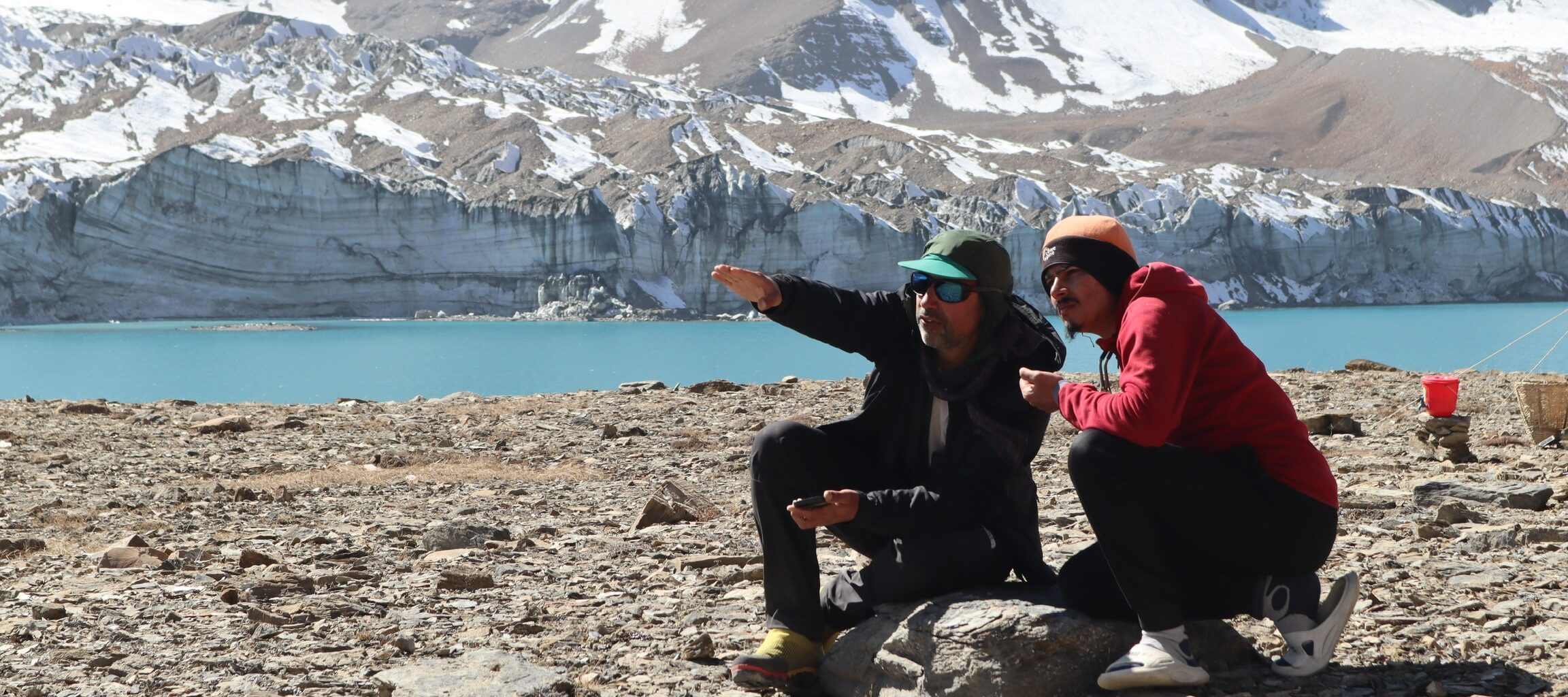
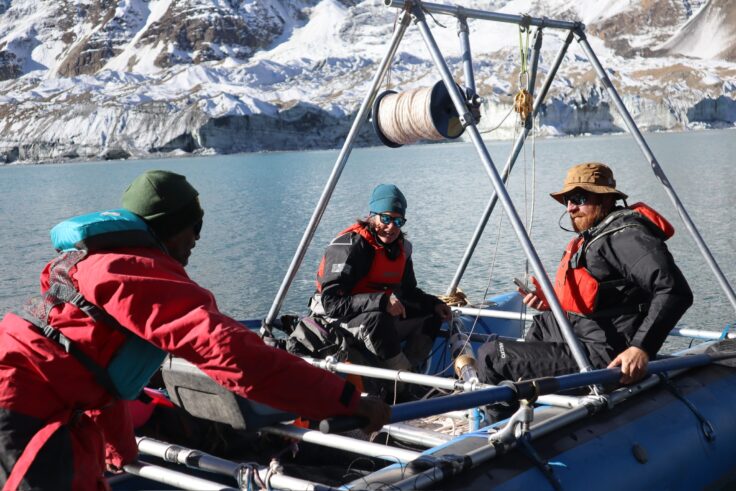
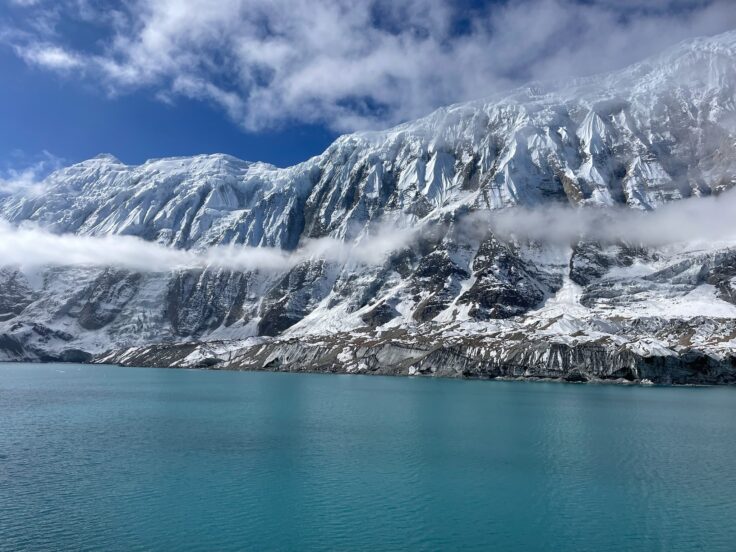
Rara Lake, a high-mountain lake in western Nepal, acts as a natural archive of seismic history. Each time strong shaking occurs, underwater slopes are disturbed, leaving distinctive layers in the lakebed sediment. The research team identified approximately 50 such layers spanning 6,000 years.
For the first time in the Himalaya, researchers combined this geological record with modern instrumental earthquake data to test earthquake timing statistically. They then compared their findings with long-term earthquake records from Indonesia, New Zealand, Chile and the Pacific Northwest of the United States.
The same pattern emerged everywhere: earthquakes cluster unpredictably, with active periods followed by long quiet spells. No region showed the regular, cyclical pattern that many hazard models assume.
Challenging outdated models
Seismic hazards are commonly assessed using ‘periodic’ and ‘quasi-periodic’ recurrence models, which represent and predict the probability of major seismic activity. These computer models, often based on limited observations, assume earthquakes follow relatively regular cycles – an assumption the new research shows to be unfounded.
The research represents the first statistical comparison of lake sediment earthquake records with instrumental data for Nepal and the wider Himalaya, bridging deep geological time with modern seismology.
“Six thousand years of data shows us that major earthquakes can happen at any time,” said Ghazoui-Schaus. “This substantially increases seismic hazard estimates – the risk models which shape government policies in earthquake regions, and the prioritisation of public investment and aid.”
What this means for policy
The findings carry significant implications for earthquake preparedness across the Himalayan arc, from Afghanistan through India, Nepal, China and Myanmar.
“We recommend that the public, politicians and policymakers should treat earthquake hazards as a constant, uneven threat,” continued Ghazoui-Schaus. “Response plans need to be ready for bursts as well as lulls in earthquakes of all sizes – because the next event, big or small, could happen at any time.”
Ten years after Nepal’s devastating 2015 earthquake, which killed approximately 9,000 people, the study serves as a reminder that seismic risk has not diminished. Uneven enforcement of building regulations, rapid urban growth, and stretched humanitarian budgets continue to increase risk for vulnerable communities.
The researchers highlight the need for holistic governance of major earthquake risks. They stress the importance of authorities prioritising enforcement of building codes for all new construction, and retrofitting existing high-importance buildings like schools and hospitals as a matter of urgency. They also suggest governments develop investment and response plans that recognise the equal probability of clusters of earthquakes and long quiet periods.
This research contributes to the UKRI/NERC-Funded Highlight Topic project ‘The Big Thaw’, which is improving predictions of snowfall and other hazards in high altitude mountain regions and building collaborative partnerships with researchers around the world, including Nepal.
The paper, Occurrence of major earthquakes is as stochastic as smaller ones, by Dr Zakaria Ghazoui-Schaus et. al., is published in Science Advances on Wednesday 11 February at 2pm EST (7pm GMT).