
Extreme medicine: How BAS keeps people safe at -50°C
At -50°C, exposed skin can freeze in minutes. Add wind, sea spray and exhaustion and the cold stops being uncomfortable, it becomes deadly.
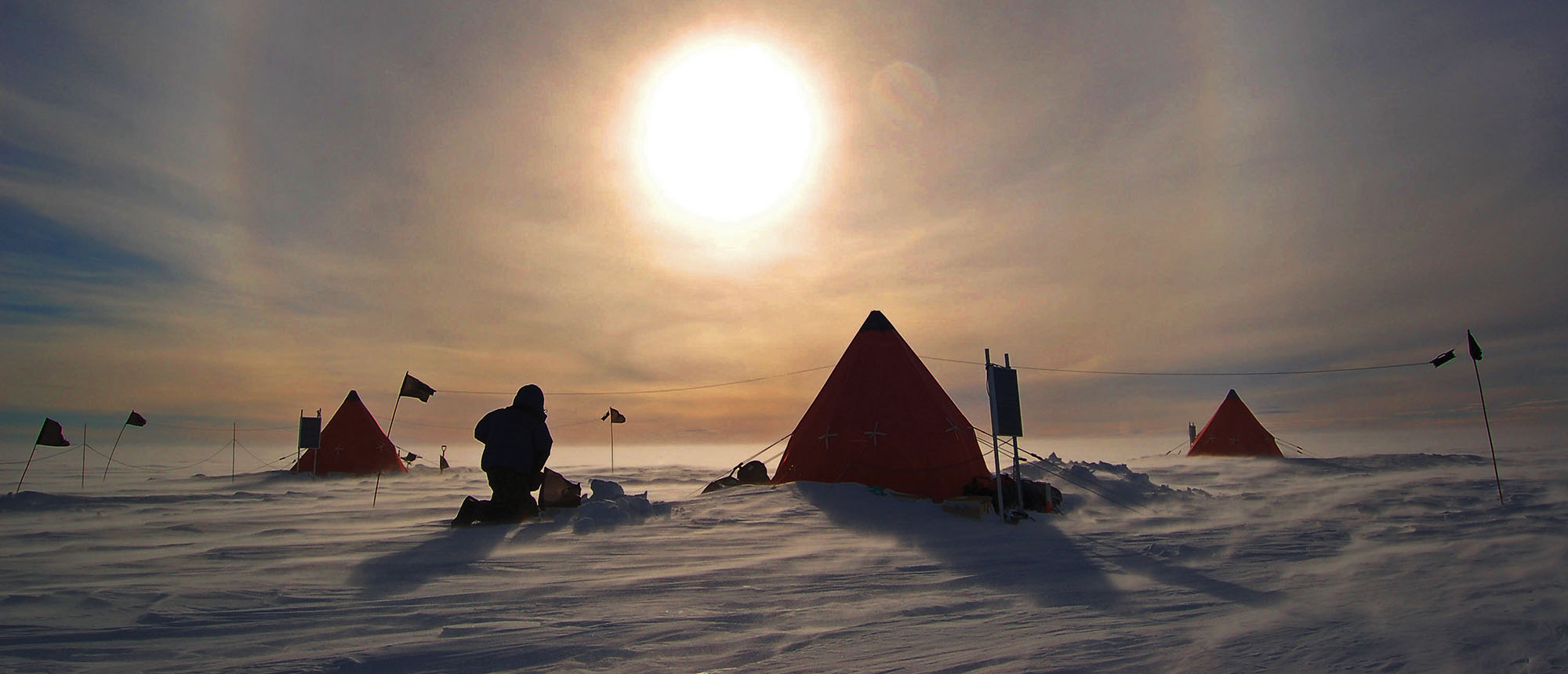
For scientists and engineers working in Antarctica, this isn’t hypothetical, it’s daily life. And it’s why the British Antarctic Survey (BAS) has developed specialist expertise in cold weather injury and medicine over more than six decades of polar operations.
Cold injuries are not confined to dramatic blizzards. They can happen during long snowmobile journeys across the ice, while loading cargo onto small boats in icy seas, during diving operations in sub-zero water or simply through hours of exposure in wet gloves. Frostbite occurs when skin and tissue freeze. Non-freezing cold injuries – including conditions such as trench foot – develop after prolonged exposure to cold, damp conditions between 0°C and 15°C. Both can cause lasting damage if not recognised and treated early.
Serious injuries are not common, thanks to strict safety systems and careful preparation. But the risk never disappears. In Antarctica there is no nearby emergency department. Evacuation can take days, sometimes weeks, depending on weather and transport availability. That reality has shaped the work of the specialist British Antarctic Survey Medical Unit (BASMU).
BASMU doctors train personnel before they deploy, teaching them to spot the first warning signs: the numb patch of skin that doesn’t warm up, the tingling that signals circulation problems, the pale or waxy tissue that needs urgent attention. Over decades, BASMU clinicians and BAS staff have worked together to analyse real-world case histories from polar seasons to refine prevention strategies, improve clothing systems and strengthen field protocols. The aim is to prevent injury wherever possible and intervene fast when it happens.
BASMU has also contributed to wider research into the treatment of freezing and non-freezing cold injury, including the use of medicines that improve blood flow in damaged tissue. Alongside this, telemedicine plays a crucial role. Station doctors operate with a high degree of independence but can consult UK-based specialists via satellite links when complex cases arise – bringing advanced expertise to one of the most remote environments on Earth.
This knowledge has been built from experience as much as from textbooks. Working safely in the polar regions demands innovation in prevention, treatment and remote care. Every polar season adds to a growing understanding of how the human body responds to extreme cold, turning hard-won experience into better care, wherever people work at the edge of human endurance – from polar science to cold-water rescue and remote emergency medicine.