
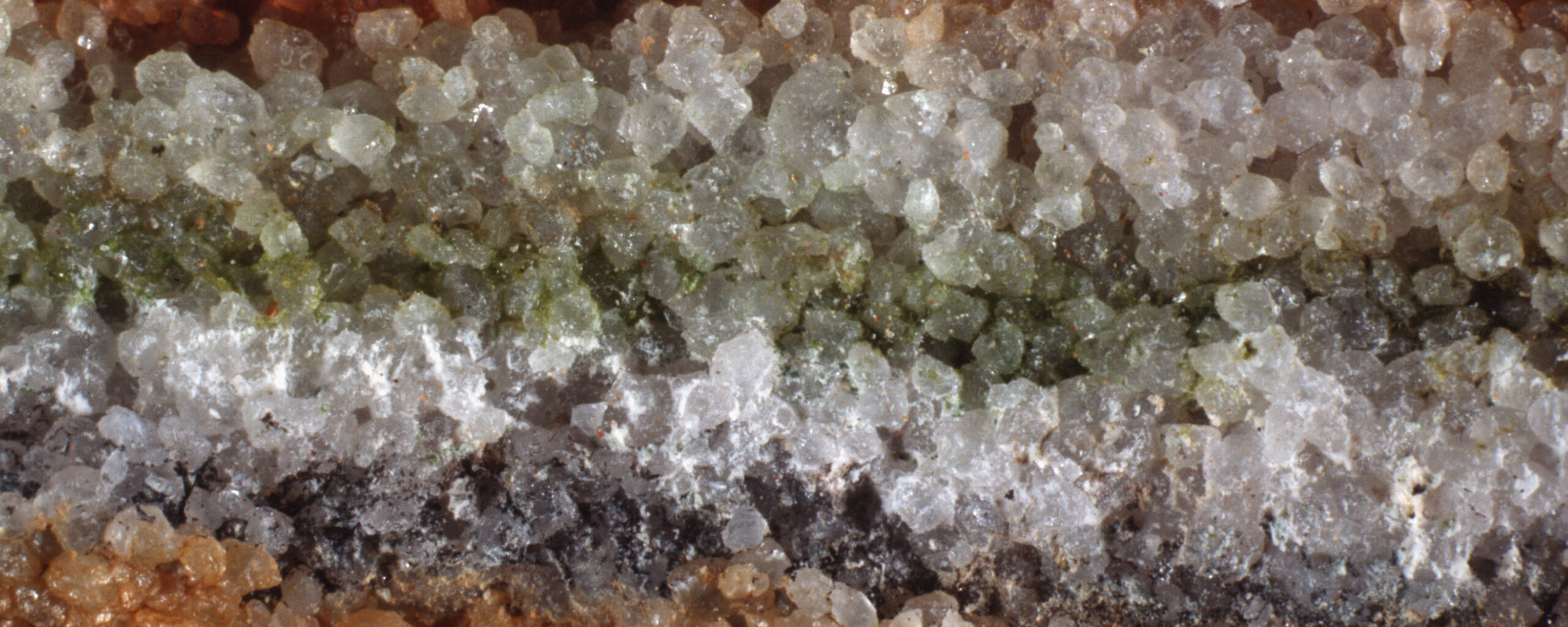
Unlocking the secrets of Antarctic microbes for biotechnology
Each sample was collected for a specific research purpose and any material left over is archived with care – precious, hard-won and ready to support future discoveries.
Now, a partnership between BAS and leading UK biotech company Basecamp Research aims to unlock the hidden stories inside these frozen fragments.
With the help of portable DNA sequencers and powerful AI, scientists can now read the genetic fingerprints of Antarctic microbes with incredible detail. These organisms are masters of survival – thriving in temperatures that would break almost any other form of life. Understanding how they do it can reveal natural tricks that help solve real-world problems back home.
By looking closely at BAS’s extraordinary sample archive, the aim is to uncover biological abilities that could inspire greener technologies, from low-energy detergents to cleaner industrial processes and in time, new medical innovations.
This partnership builds directly on BAS’s scientific strengths. Already, it has brought new genetic sequencing tools into BAS labs, trained researchers in cutting-edge methods and supported joint scientific publications. Basecamp Research has licensed the DNA data from BAS samples – allowing them to use it in AI analysis, design new protein and enzymes not found in nature and apply these insights across a range of biotech research and development – showing how frozen life can fuel real innovation.
It also taps into a global surge of interest – and investment – in protein discovery and biotechnology. As companies and investors around the world race to find new enzymes and biological solutions, BAS’s unparalleled polar archive gives the UK an edge, offering a window into forms of life rarely seen anywhere else on the planet.
At its heart, this is a story about turning polar samples into new possibilities – showing how the most remote life on Earth can help spark greener technologies, strengthen UK science and reveal more about the astonishing resilience of nature in a changing